What Is Samsung Flex Titanium? How the New Foldable Display Technology Reduces Screen Creases
What is Samsung Flex Titanium? Learn how Samsung’s new foldable display technology uses titanium-alloy components to reduce screen creases, improve durability, and reshape the future of foldable phones.
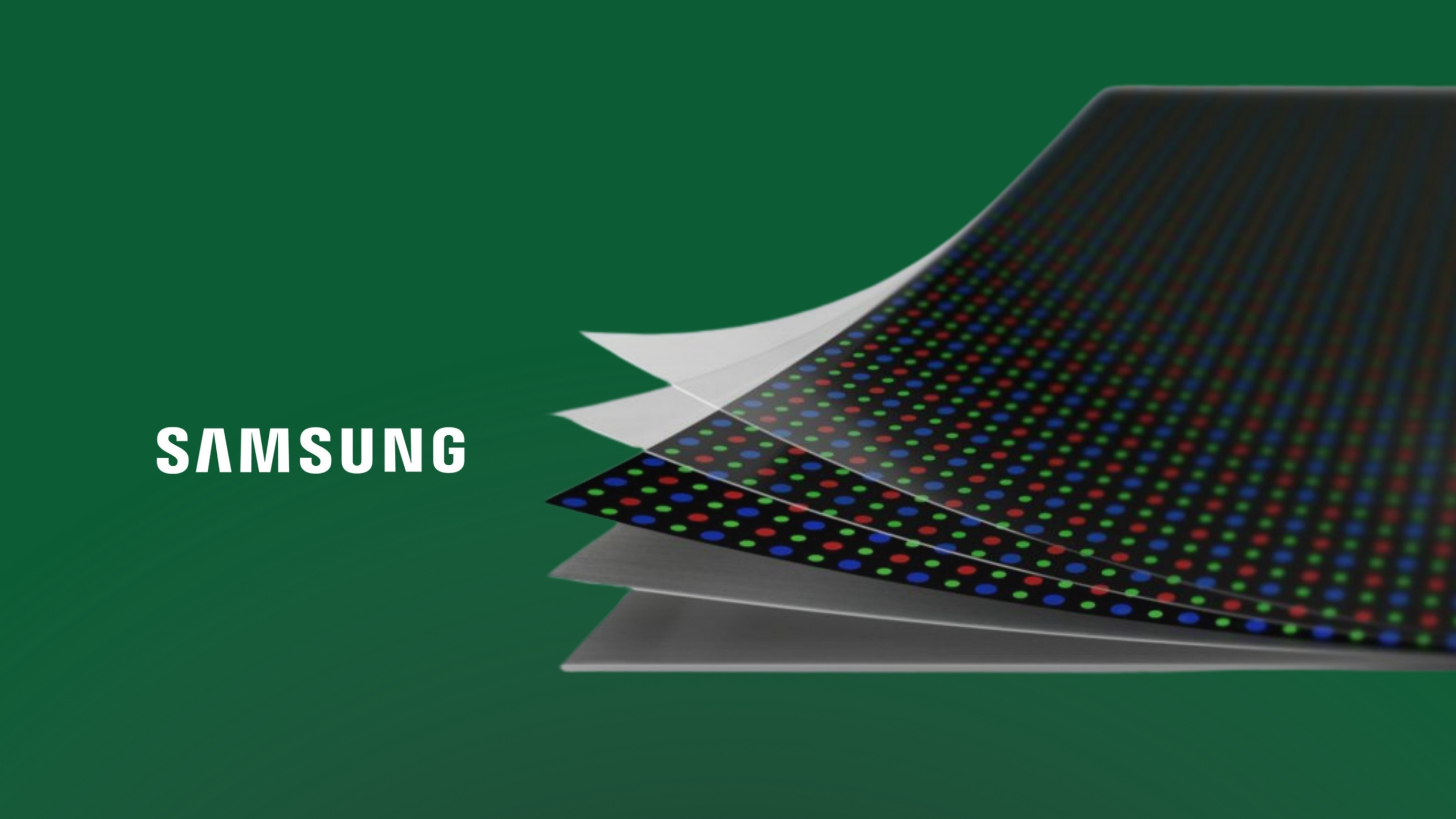
Every foldable phone sold since 2019 carries the same shadow line running down the middle of the inner screen which can be rightly called a flaw in the foldable screen technology. With this established as a flaw, there is a new, direct attempt by Samsung to erase it with its flex titanium technology and this time, not by software tricks, but by re-engineering the physical layers beneath the display itself.
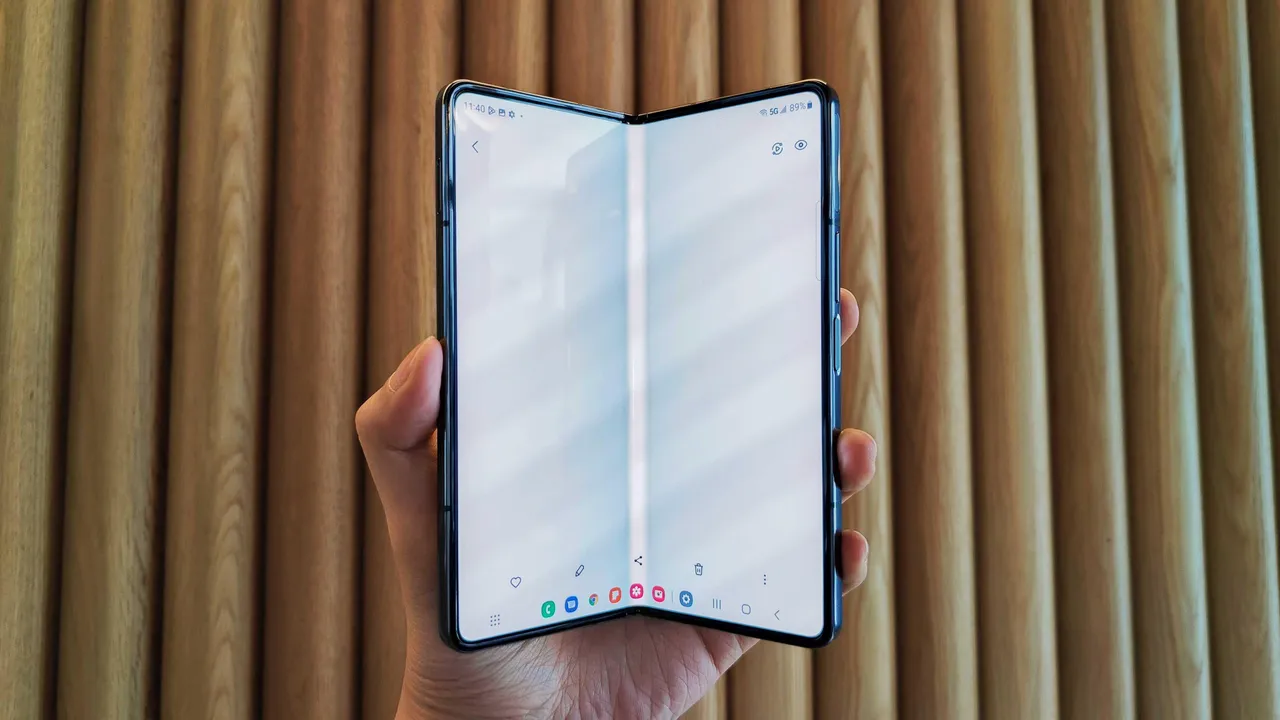
The Crease Problem That Has Defined Foldable Phones
Screen crease on a foldable device is a byproduct of physics. When a flexible OLED panel bends around a fixed radius hundreds of thousands of times, the materials beneath it automatically absorb that stress unevenly. Weak internal support lets the panel dip at the fold line and that dip becomes permanent as the polymer substrate fatigues.
Every foldable brand, from Samsung to Google to Huawei, has spent recent years chasing the same target: a foldable screen crease so shallow it becomes invisible in daily use.
What Samsung Flex Titanium Actually Is
Flex Titanium is a redesigned internal display structure built around two titanium-based components: a titanium-alloy film and a titanium plate.
Rather than adding titanium as a cosmetic frame material, as brands often do for marketing, Samsung has placed it directly inside the display stack where it can influence how the screen folds and how visible the resulting line becomes.
The goal is a foldable display technology that is simultaneously thinner, stronger and less prone to visible crease formation than the polymer-based structures used in earlier Galaxy Z Fold and Z Flip generations.
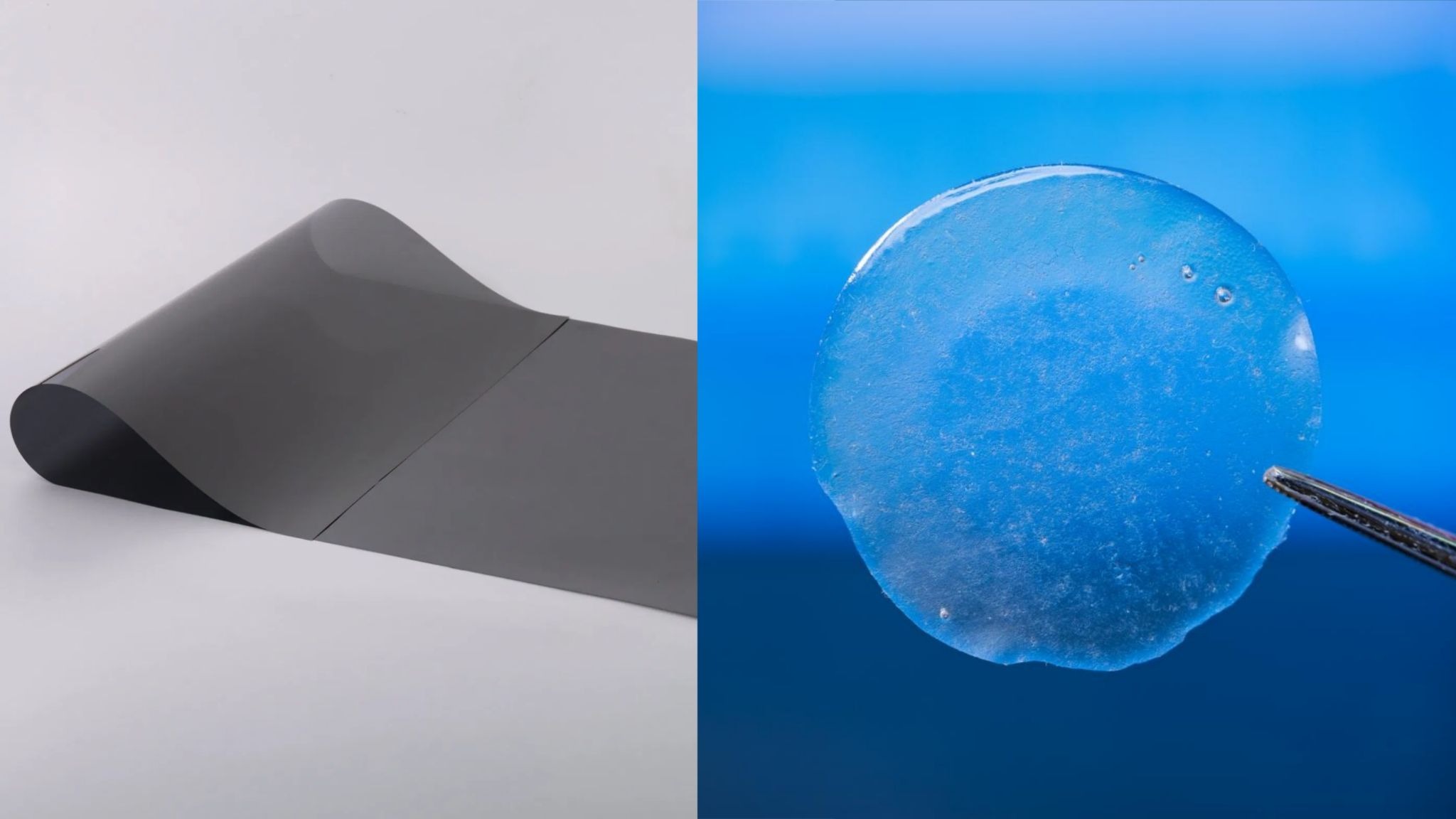
Titanium-Alloy Film vs Polymer Film: Why Stiffness Matters
The titanium-alloy film sits directly beneath the OLED panel and replaces the polymer film used in prior foldable display designs. Samsung states this film delivers roughly 20 times greater mechanical stiffness than polymer equivalents while measuring about one-third the thickness of a human hair through precision rolling.
This largely matters for crease reduction because a stiffer sub-layer resists localized deformation at the fold point, distributing bending stress more evenly across the panel instead of letting it concentrate into a visible groove.
Below the film sits a titanium plate, engineered with micro-patterned holes that allow it to flex at the fold while remaining structurally supportive when the device is open. Samsung says advanced hole processing lets this plate bond more tightly to the display module, eliminating the air gaps between the module and adhesive layer that have historically been a weak point in foldable durability.
Fewer air gaps mean less internal movement over repeated folding cycles, which is a major contributor to crease depth increasing with age.
How Samsung's Approach Compares to Apple's Foldable Hinge Research
Apple's long-rumored foldable iPhone offers a useful comparison point. Reporting on Apple's supplier validation process indicates the company is targeting a crease depth below 0.15mm and a crease angle under 2.5 degrees.
They are pursuing a dual-layer ultra-thin glass structure alongside precision-aligned adhesive. Apple has also spent over a decade researching liquid metal, a metallic glass alloy prized for resisting bending fatigue, as a possible hinge material.
Both companies are in agreement on the metal-based, fatigue-resistant materials to solve crease visibility, even though Apple hasn't released a foldable yet and Samsung is on its eighth generation of consumer devices.
Google Pixel Fold, OnePlus Open and the Broader Durability Race
Samsung has always had competitors in its foldable screen technology devices and right now, it is still competing.
Latest Tech News
Decode Africa's Digital Transformation
From Startups to Fintech Hubs - We Cover It All.
Google's Pixel Fold line has closed gaps with full dust resistance ratings and a gearless hinge, while OnePlus has pushed battery capacity in its Open series without sacrificing fold-count ratings.
Industry-wide, hinge engineering has trended toward smoother, thinner mechanisms that spread pressure evenly across the inner panel, since uneven pressure is what accelerates crease formation.
Most current-generation foldables are validated to 200,000-plus fold cycles, roughly five to six years of typical use, making hinge longevity a solved problem for many brands. Crease visibility, not fold-count durability, is now the real differentiator.
Why Samsung's Own Foldable History Makes This Upgrade Significant
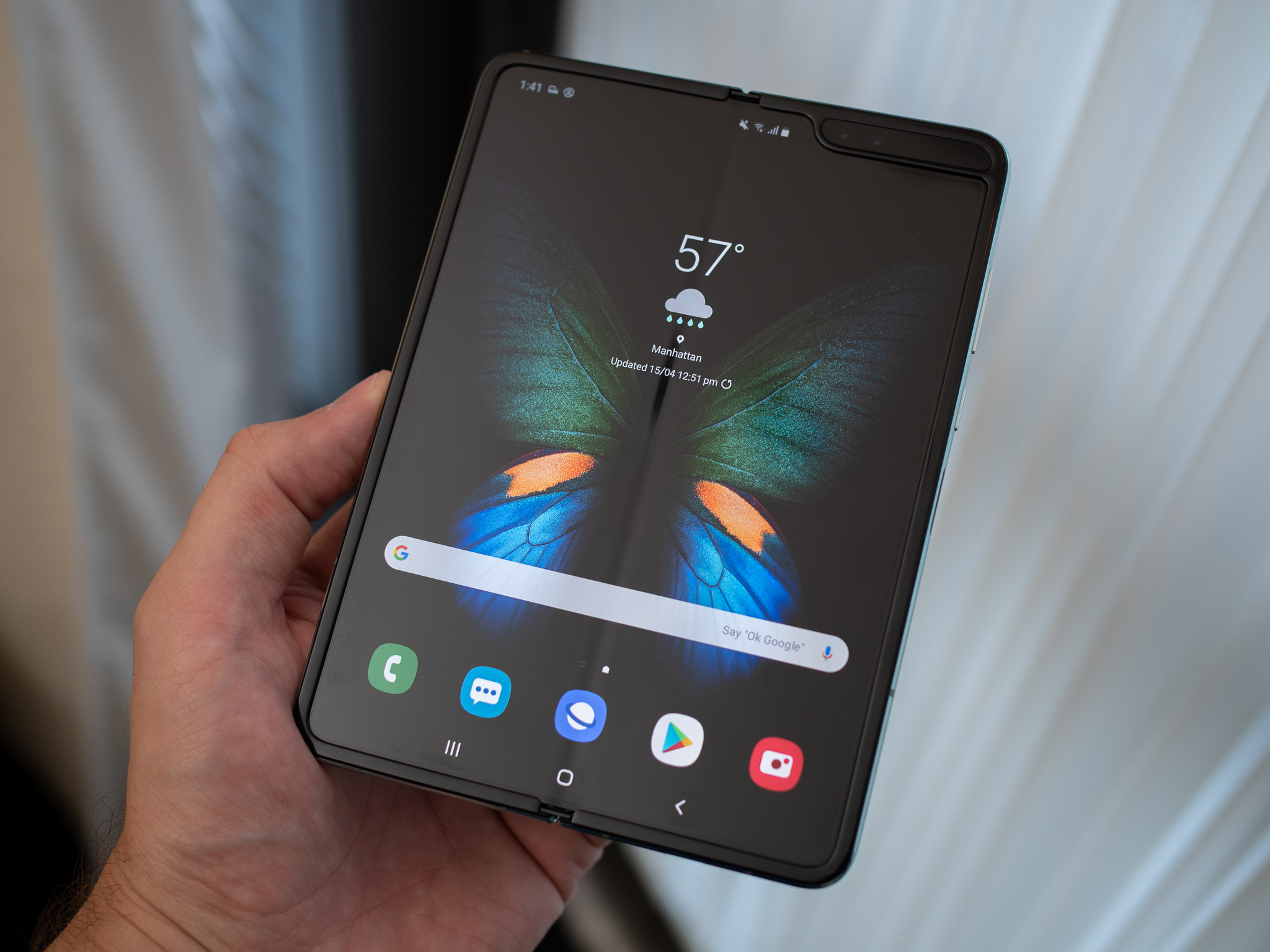
Samsung has arguably faced more public scrutiny over crease visibility than any other foldable manufacturer, simply because it has released more foldable units, across more generations, than any competitor.
Earlier Galaxy Z Fold models relied on polymer support layers that softened over time, contributing to the crease becoming more visible as devices aged. Flex Titanium directly targets that specific failure mode instead of offering a marginal refinement, positioning it as a structural fix.

It has to be established that the titanium's selection isn't random. The material is already used where strength and reliability under stress are non-negotiable, including satellite antennas and rover wheels built for extreme mechanical loads.
Its natural stiffness has historically made it difficult to use in thin, flexible structures, which is precisely why Samsung's rolling and hole-processing techniques matter: they are adapting an inherently rigid material into a component that can flex thousands of times without losing its supportive structure.
What This Means for the Next Galaxy Unpacked
Flex Titanium is expected to debut with Samsung's next-generation Galaxy foldable devices, with further specifications confirmed at the upcoming Galaxy Unpacked event.
If the crease reduction and power efficiency gains hold up under independent testing, it could reset consumer expectations for what a foldable display should look and feel like after years of daily folding.
Meta Description:
Tags: , , ,