Oyo School Abduction: 46 Pupils and Teachers Freed After 56 Days as Makinde Seeks UN Investigation
After 56 days in captivity, 46 abducted Oyo pupils and teachers were rescued in a coordinated security operation, sparking debate over Governor Makinde’s call for a UN-led investigation into the mass kidnapping.
After a harrowing 56-day ordeal, a total of 46 individuals, comprising 39 pupils and seven teachers, abducted from various schools in Oriire Local Government Area of Oyo State, finally regained their freedom.
The successful rescue operation, which saw families reunited with their loved ones, has been hailed as a significant victory for Nigeria’s security forces, yet it has also ignited a contentious debate over the need for an independent international investigation into the incident.
The mass abduction, which occurred on May 15, targeted Community High School, Ahoro-Esinele; Primary School, Esinele, and Baptist Nursery and Primary School, Yawota. During their captivity, the victims endured immense trauma, marked by fear, hunger and constant forced movements through dense forests to evade security operatives.
Rachael Alamu, principal of Community High School in Esinele, recounted how kidnappers repeatedly relocated the captives at night, sometimes walking for hours. The younger children were subjected to beatings while male captives were blindfolded, handcuffed and chained.
Tragically, the abductors demonstrated their brutality by deliberately killing at least two teachers, including mathematics teacher Michael Oyedokun, whose beheading was circulated in a viral video as psychological warfare to pressure the government.

The rescue operation itself was a testament to painstaking intelligence work and coordinated efforts involving the Nigerian Army, Nigeria Police Force, Department of State Services (DSS), Air Force, Nigeria Security and Civil Defence Corps (NSCDC), Amotekun Corps, local hunters, and vigilantes.
Authorities revealed that the kidnappers had threatened to execute every child if security personnel attempted a direct assault on their hideout, demanding the release of their commanders.
Instead of a dramatic raid, the government, under the strategic coordination of National Security Adviser Nuhu Ribadu, chose a "harder path" involving a carefully orchestrated combination of kinetic and non-kinetic measures.
This approach, prioritizing patience and institutional collaboration, resulted in the neutralization of at least nine kidnappers and the arrest of eight others, critically, with all 46 hostages returning alive. This demonstrates a shift towards a security philosophy emphasizing intelligence fusion, inter-agency trust, and a unified approach to tackle complex threats.
Following the successful rescue, Oyo State Governor Seyi Makinde called on the United Nations and international human rights organizations to conduct an independent investigation into the circumstances surrounding the abduction.
He argued that the incident was "sufficiently grave and unusual" to warrant external scrutiny, believing that such findings could help prevent similar attacks on schools across Nigeria.
The Oyo State House of Assembly promptly threw its weight behind the governor’s call, insisting that an independent probe would strengthen Nigeria’s security architecture rather than undermine it.
The Assembly highlighted the disturbing pattern of mass school abductions in Nigeria, suggesting that if national efforts alone were insufficient, inviting relevant UN agencies for investigation and recommendations was appropriate.
They clarified that Makinde’s request was a patriotic appeal for transparency, accountability, and collaboration in tackling terrorism, which has assumed transnational dimensions, making international cooperation increasingly vital.
However, Governor Makinde’s proposal met strong opposition. The Nigerian Senate cautioned the governor against seeking UN involvement, arguing that the incident was a domestic security matter that should be handled within Nigeria by national authorities.
Similarly, Nigeria’s Permanent Representative to the United Nations, Senator Jimoh Ibrahim, advised Makinde against internationalizing the issue, reminding him that the UN does not intervene in the internal affairs of member states.
Senator Ibrahim urged the governor to show empathy, apologize for any lack of adequate security in Oyo State, and prioritize good governance at the local level, suggesting scholarships for the children and support for their teachers, including the families of those who lost their lives.
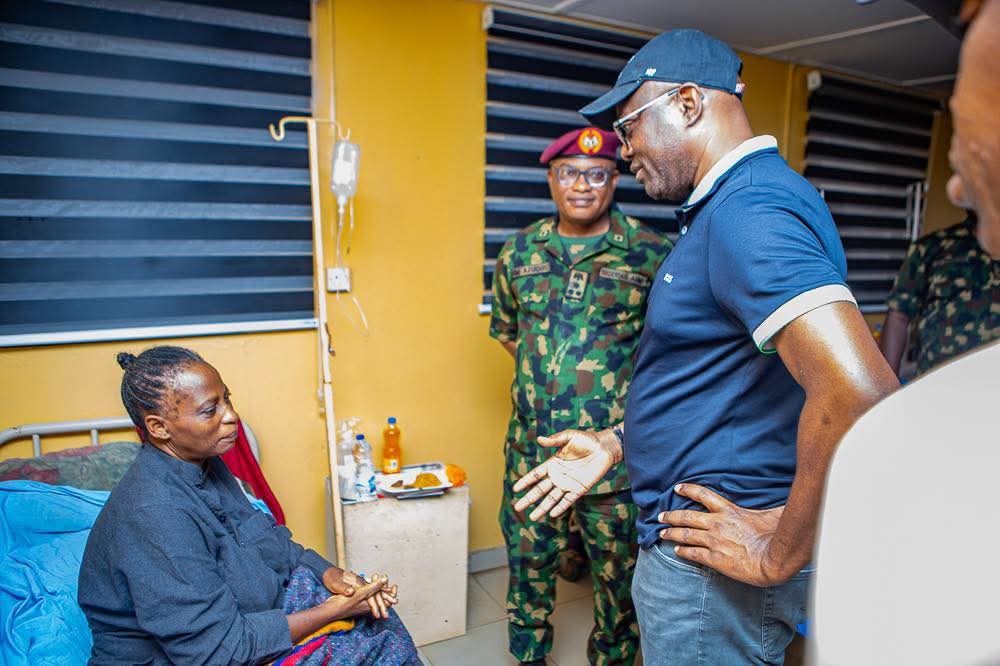
Upon their discharge from Ladoke Akintola University of Technology (LAUTECH) Teaching Hospital in Ogbomoso, after receiving medical treatment and psychosocial support, the rescued pupils and teachers were reunited with their families in emotional scenes of joy and relief. The reunions followed their formal handover to the Oyo State Government by the military.
While scars of the ordeal remain, there is a collective belief that it is now time to heal. Authorities have vowed to sustain operations against criminal gangs in Oyo State’s forests and continue providing essential medical and psychological support for the victims.

The rescue operation, though successful in its primary objective, came at a heavy cost, with security personnel also losing their lives alongside the teachers during the efforts to free the captives.
The Oyo State abduction and rescue operation offers profound lessons for Nigeria’s evolving security narrative. National Security Adviser Ribadu's philosophy underscores that modern threats like terrorism, kidnapping, and organized crime require more than military might; they demand intelligence, technology, financial tracking, community engagement, and sustained coordination among institutions that historically worked in isolation.
The Oyo rescue exemplified this model, demonstrating what becomes possible when institutional walls disappear and agencies like the Army, Police, DSS, and state governments act as a single, coordinated system.
While Nigeria still confronts significant security challenges, the successful return of the Oyo schoolchildren and teachers serves as powerful evidence that disciplined, purposeful institutional cooperation can achieve outcomes once deemed out of reach.
It highlights that true security victories will be defined by institutions learning to think, plan, and act as one, ensuring preventive, intelligence-led approaches to protect citizens.