What Happens When You Sleep? The Hidden Health Costs in Africa
Read on why Africans are neglecting sleep, the body’s most essential healing system. Examines the science of sleep, cultural pressures, health consequences, and why rest is the medicine the continent urgently needs.
Across African cities, the night is no longer a time of rest. It is a time of hustling, grinding, scrolling, replying to messages, binge-working, worrying, or finding one more way to survive a world that demands too much from a tired body. People are awake when they should be asleep, bragging about being busy, glorifying exhaustion, and celebrating the ability to function on three hours of rest as though it were a badge of honour.
Sleep costs nothing. It requires no prescription. Yet, it is one of the most powerful healing mechanisms the human body possesses, and Africans are neglecting it at alarming rates. In many communities, sleep is still treated like a sign of laziness, a display of weakness, or an unnecessary luxury reserved for people who have “made it.” But the science is clear: sleep is not an escape from life. It is part of what keeps life going. Every hour lost steals something from your body, and every hour gained strengthens you in ways you cannot see.
The tragedy is that while the rest of the world is waking up to the importance of rest, companies shortening workdays and prioritizing work-leave, schools adjusting schedules, governments conducting sleep-health campaigns, Africa is racing in the opposite direction, trying to prove strength through exhaustion. We are becoming a continent of tired people whose bodies are aging faster than their years. And this is not just a lifestyle issue; it is a public-health emergency.
The Biology of Sleep and Why Your Body Breaks Down Without It
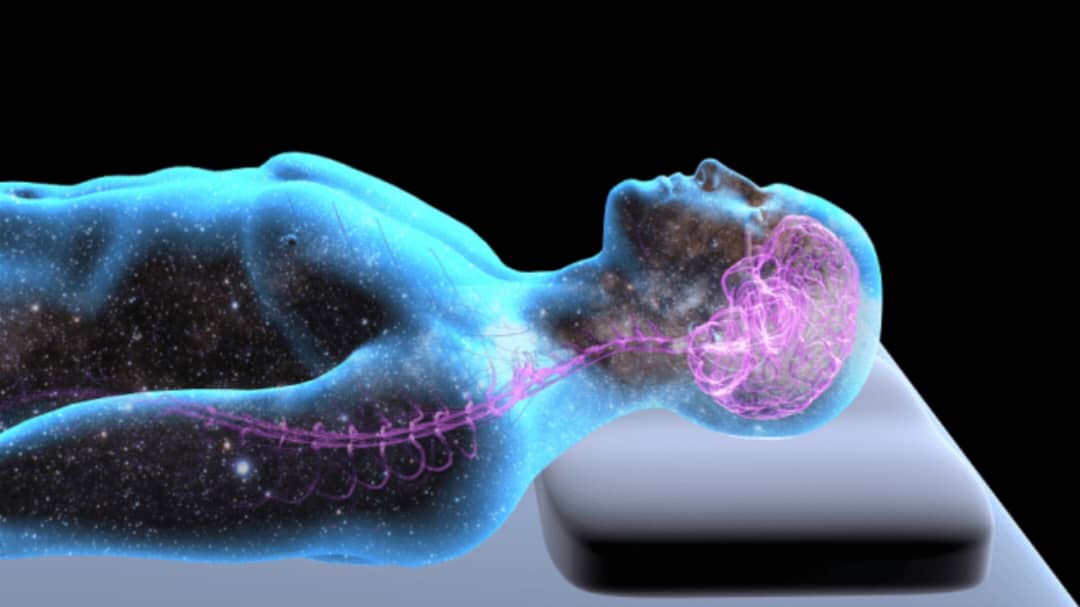
Sleep is not merely the absence of wakefulness. It is a biological process so complex that even scientists continue to uncover new layers of its intelligence. During sleep, the brain engages in something similar to a night-shift routine. It clears out toxins and metabolic waste, repairs damaged cells, strengthens memory, regulates emotional responses, and resets hormonal balance. The cardiovascular system slows down to reduce strain on the heart. The immune system becomes more active, identifying threats it could not address while the body was awake. Muscles rebuild themselves. The mind processes experiences, sorts information, and stabilizes mood.
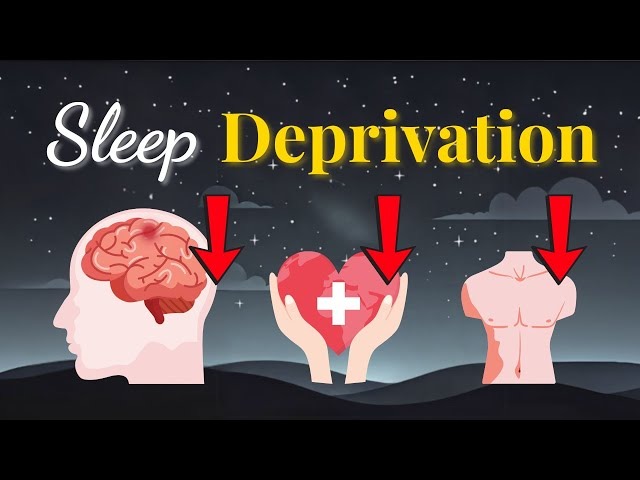
When sleep is consistently denied, these processes don’t disappear, they malfunction. A sleep-deprived brain struggles with memory, decision-making, and emotional regulation. And a sleep-deprived body becomes more vulnerable to chronic illness. This is why people who regularly sleep less than six hours are statistically more likely to develop various type of illnesses.
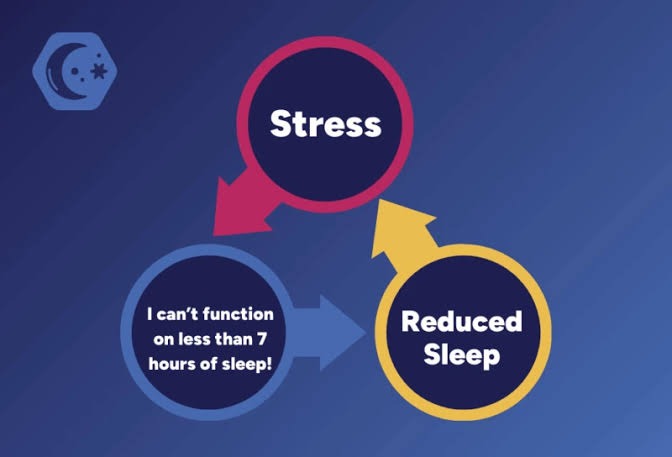
The emotional effects are equally destructive. Irritability, mood swings, impulsive decisions, reduced empathy, and a constant feeling of being overwhelmed are often just symptoms of an exhausted brain. Many people think they are mentally unstable, stressed, or spiritually attacked when their bodies are simply begging them to sleep.
The African lifestyle makes this worse. Long commuting hours, unreliable power supply, excessive screen time, nightlife culture, tight work schedules, and economic pressure have created a cycle where rest is constantly postponed. But the body is not a machine; it does not run on hustle. It runs on balance. And balance begins with sleep.
Culture, Capitalism, and the Fear of Rest
Rest in Africa is deeply political. The hustle mentality and survivalist thinking has aided to create a culture that glorifies perpetual work. Many African parents trained their children with the idea that only hard labour guarantees success. People were told that resting too much was irresponsible. They learned to feel guilty for sleeping, to associate sleeplessness with ambition, and to equate exhaustion with productivity. Sleep has become a privilege for those who can afford to stop working, not a necessity for those who want to stay alive.
There is also a spiritual angle to this issue, in religious spaces, sleep is sometimes demonized. Night vigils, while meaningful, can become unhealthy when repeated excessively without balance. People who are already exhausted push themselves into spiritual activities that demand more from their bodies than they can give. Yet spirituality and science both echo the same truth: rest was designed by God and nature as part of the human system, not an interruption of it.
The economic reality cannot be ignored either. Millions of Africans are fighting to survive daily. Two or three jobs. Early morning traffic. Late-night work. Responsibilities that never end. But even within hardship, the cost of neglecting sleep is greater. The poor sleep the least, yet suffer the most from the health consequences of exhaustion. Lack of rest eventually leads to diseases that are far more expensive than the hours they tried to save by staying awake.
What Sleep Does For the Body and Why Africans Must Pay Attention
In parts of Africa, life expectancy is declining. Young people are dying from illnesses once associated with old age. Many of these tragedies are connected to chronic sleep deprivation, though most people don’t realize it.
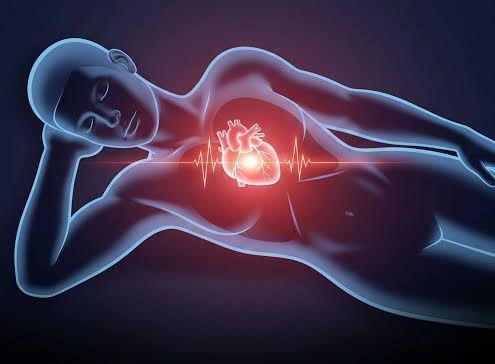
Sleep improves cardiovascular health by allowing the heart to reduce its workload. It enhances memory and learning, making the brain sharper and more productive. It strengthens emotional resilience, reducing the intensity of stress responses. It boosts immunity, which is crucial on a continent battling infectious diseases. It improves reproductive health, both for men and women, because hormones responsible for fertility are regulated during sleep.
Most importantly, sleep directly impacts emotional well-being. A continent that wants to thrive cannot be built by exhausted people who are constantly operating at their lowest mental capacity.
Sleep is not the enemy of success. It is one of its foundations. Every thriving society invests in sleep. Every innovative leader values mental clarity, which only adequate rest can provide.

Africa’s future depends on its people being physically and mentally strong enough to build, create, innovate, and lead. Sleep is a tool for that future. It is not a waste of time; it is an investment.
The New African Lifestyle: Rest As Resistance and Healing
If Africans genuinely want to improve their quality of life, increase productivity and extend life expectancy, the culture around rest must change. People must learn that rest is not laziness. Sleep is not indulgence. Resting is not giving up on life. It is preparing the body to continue life with more energy, clarity, and strength.
A new lifestyle must emerge, one where Africans value silence, calmness, slowness, and recovery. This means protecting sleep the way we protect our goals. It means allowing the brain to shut down screens early enough. It means reorganizing schedules to honour circadian rhythms. It means choosing mental wellness over hustle culture. It means raising children who are not afraid to rest. It means workplaces encouraging work-life balance.
Sleep is not simply about closing your eyes. It is a form of healing, a natural detox system, a built-in therapy session, a nightly repair workshop inside the body. In a continent of unpredictability, sleep may be one of the few things still within our control.
Nothing in the world replaces it, not caffeine, not motivation, not spiritual activity, not hustle culture or even energy drinks. Eventually, the debt accumulates, and the body demands its payment, often in the form of sickness.
Rest, therefore, is not the opposite of ambition. It is the fuel of ambition. Sleep is not what you do after living. It is what enables you to keep living and in a world where Africans are stretching their bodies to breaking point, sleep is the free medicine we must urgently begin to take seriously before the crisis becomes irreversible.