Are Good Grades A Proof of Intelligence?
Are good grades really proof of intelligence? This myth-busting article explores why academic scores fail to capture true intelligence and how redefining intelligence can transform education and society.
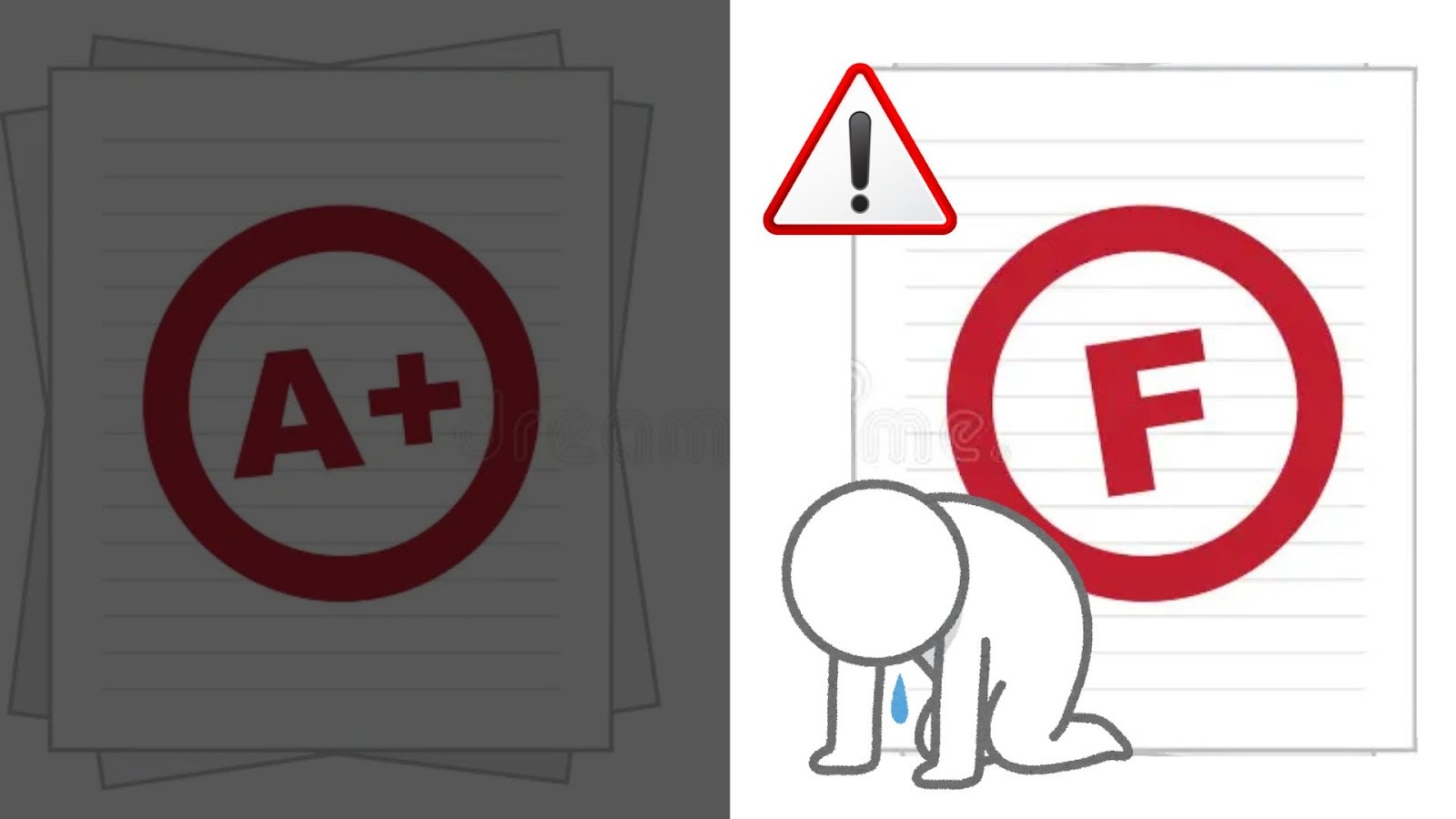
The belief that good grades are a proof of intelligence is one of the most persistent myths modern education and the larger African society has sustained over the years. From childhood you should have witnessed first hand that in classrooms, school assembly grounds, graduation ceremonies and even family living rooms, report cards are treated like IQ certificates, and exam scores often become shorthand for brilliance, potential, and even worth. A student who excels academically is labeled “smart,” while one who struggles is quietly written off as less capable. Yet this assumption survives more on convenience than on truth. Intelligence is far more complex, fluid, and context-dependent than any grading system can capture. When we interrogate this myth closely, we begin to see how limiting it is, not only to individuals but to society at large.
Where the Grades–Intelligence Myth Comes From
Formal education systems were never designed to measure intelligence in its entirety. Historically, schools emerged to standardize learning for industrial and administrative needs, not to uncover the full spectrum of human cognition. Exams and grades became tools for sorting, ranking, and credentialing, valued for their efficiency rather than their depth. Over time, these tools were mistaken for mirrors of the human mind.

In many societies, especially those shaped by colonial and bureaucratic legacies, academic success became synonymous with intelligence because it aligned with pathways to power and prestige. The student who memorized well, wrote exams fluently, and followed institutional rules was rewarded, while other forms of thinking, creative, intuitive, practical, emotional, were sidelined. The myth hardened: if you scored well, you were intelligent; if you did not, you were not.
This belief was further reinforced by parental expectations and social comparison. Grades became easy symbols. They were visible, quantifiable, and socially legible. Intelligence, on the other hand, is subtle, multidimensional, and often invisible. In choosing grades over nuance, society chose simplicity over accuracy.
What Grades Actually Measure and What They Don’t
At the very basis, grades measure performance under specific conditions. They reflect how well a student understands prescribed material, within a fixed timeframe, using a narrow range of assessment methods. They often reward memory, speed, compliance, and familiarity with exam formats. None of these are inherently bad skills, but they represent only a fraction of what intelligence entails.
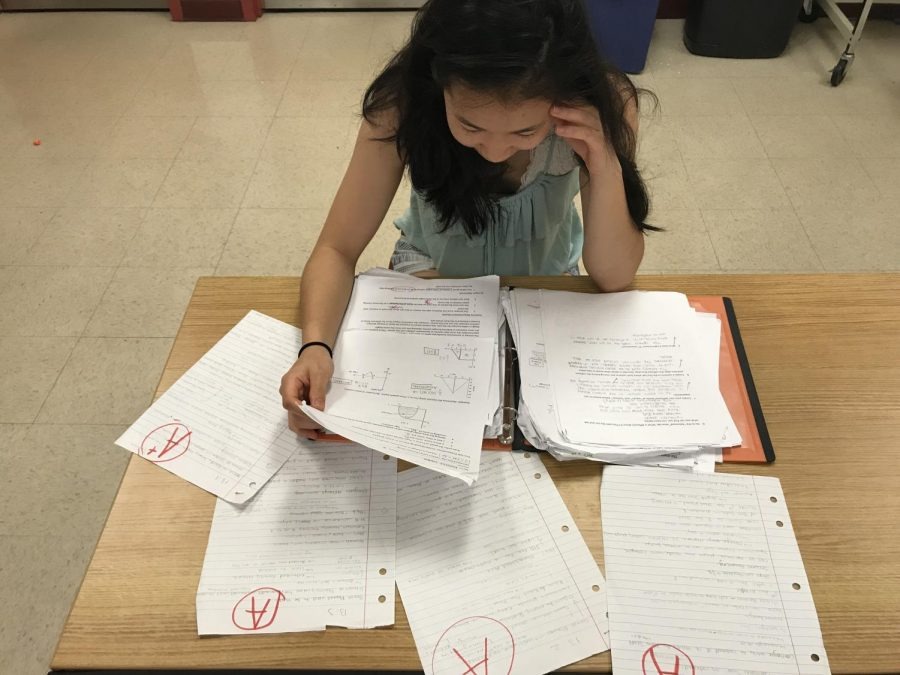
Grades rarely account for curiosity, depth of reasoning, originality, emotional insight, adaptability, or problem-solving in real-world contexts. They struggle to capture how a person thinks when there is no syllabus, no marking scheme, and no single correct answer. A student may perform poorly in exams due to anxiety, learning differences, language barriers, or external pressures, yet possess remarkable analytical or creative abilities that remain unseen.

Conversely, a student may excel academically without ever needing to think beyond repetition and recall. High grades can sometimes reflect mastery of the system rather than mastery of ideas. When intelligence is reduced to academic output, we risk confusing diligence with depth and conformity with insight.
In short most academic institutions rewards compliance on repetitive mastery of laid down bench mark that are used to qualify or disqualify students that shouldn't be so, you see see scenarios of students missing out on admissions, scholarships and opportunities because a number written on paper by someone who has no knowledge about your strength or weaknesses, disregarding the fact that those score are not realities.
Intelligence Is Not Singular, It Is Plural and Dynamic
Modern psychology and cognitive science have long challenged the idea of a single, fixed intelligence. Human intelligence manifests in multiple forms: logical reasoning, linguistic expression, spatial awareness, emotional understanding, interpersonal skill, musical sensitivity, and practical problem-solving, among others. These capacities develop differently across individuals and contexts.
A student who struggles with mathematics may possess exceptional emotional intelligence, capable of reading people, resolving conflict, and leading effectively. Another may fail standardized tests yet demonstrate extraordinary mechanical or entrepreneurial ingenuity outside the classroom. These forms of intelligence often flourish beyond academic environments, where learning is experiential rather than scripted.
So it is important to note that intelligence is not static. It evolves with exposure, mentorship, environment, and self-belief. When grades are treated as definitive judgments, they can freeze a person’s self-concept prematurely, limiting them to a path that might not even be theirs. Students internalize labels, and potential is quietly narrowed. The myth does not just mismeasure intelligence; it actively shapes it by influencing confidence, opportunity, and ambition.
The Social Cost of Equating Grades With Intelligence and Rethinking What It Means to Be Intelligent
The most damaging aspect of this myth is not its inaccuracy but its consequences. When grades are elevated as proof of intelligence, students who do not excel academically are often marginalized early. They are discouraged from dreaming broadly, excluded from opportunities, and taught, implicitly or explicitly, that brilliance is not for them.
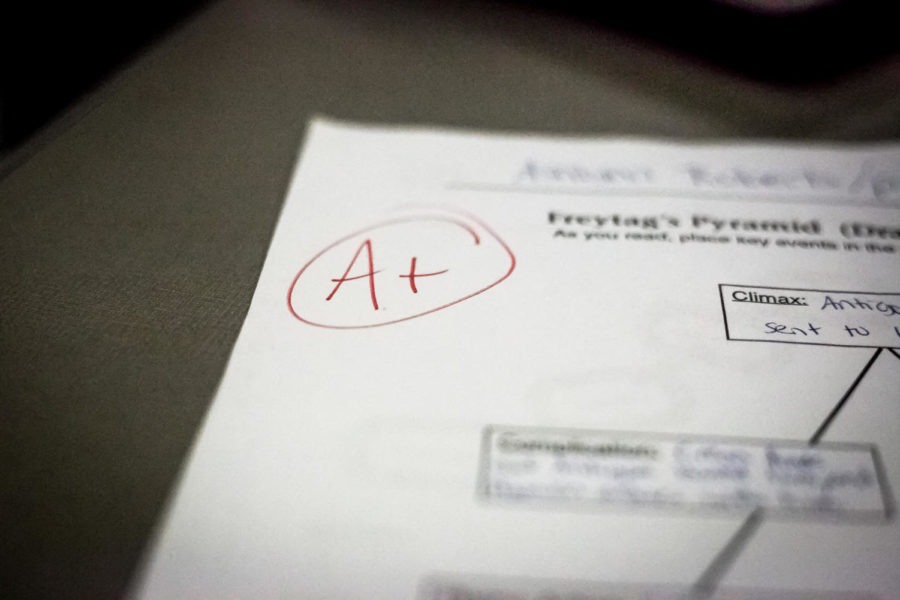
This mindset also fuels unhealthy pressure on high-achieving students and creates unhealthy rivalries among students. Intelligence becomes something to defend rather than explore, leading to fear of failure, perfectionism, and burnout. Learning shifts from curiosity to competition. The classroom becomes a place of ranking rather than discovery.
On a societal level, overvaluing grades narrows our definition of talent. We produce graduates who know how to pass tests but struggle to think independently, collaborate meaningfully, or innovate courageously. Meanwhile, countless capable minds are overlooked because they do not fit academic molds. The result is a mismatch between education and real-world complexity.
If good grades are not proof of intelligence, what is? The answer is not a replacement metric but a shift in perspective. Intelligence should be understood as the capacity to learn, adapt, reason, empathize, and create across contexts. It is revealed in how people respond to uncertainty, how they connect ideas, how they solve problems that have no model answers.

Education systems must move toward valuing diverse abilities and multiple ways of knowing. Assessment should be diagnostic rather than judgmental, formative rather than final. Outside institutions, families and communities must learn to celebrate effort, curiosity, and growth, not just outcomes printed on paper.
Most importantly, individuals must unlearn the lie that their worth or intellect can be summarized by grades. Intelligence is lived, not graded. It shows up in conversations, choices, resilience, imagination, and the quiet ability to make sense of the world in one’s own way.
Conclusion
Good grades can reflect discipline, understanding, and academic skill, but they are not proof of intelligence. The education system rewards the ability of “garbage in garbage out” and so if you can recall information efficiently you are automatically tagged intelligent, we should move past the metric of mental assessment and focus on real cognitive growth and assessment.
Grades are indicators of performance within a narrow frame, they should not be verdicts on human potential.

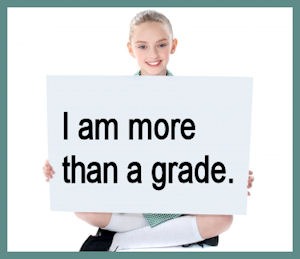
Parents on the other hand should learn to understand their children and not create unhealthy pressures on them nor even force them into fields because of an assumed intelligence trait being seen. Because when we do this, whether as parents, education tutors or even as students, we do more harm than we actually can see immediately—to learners, to education, and to society’s collective imagination. Intelligence is broader, richer, and more human than any report card or assessment results can contain, but that doesn't mean you shouldn't excel academically as a student, it shouldn't just be a law on how intelligence is measured. So the sooner we all dismantle this myth, the closer we would actually move toward an educational culture that recognizes minds not by their scores, but by their capacity to grow, think, and contribute meaningfully.
If you're a student reading this, grades don't define you; you define your grades.