Masculinity As A Social Construct - Rethinking What It Means to Be a Man
A social commentary on masculinity as a social construct, exploring emotional suppression, healthy masculinity, and why men need safe spaces for vulnerability and connection.

I grew up to witness that the word and meaning of what masculinity should look like, has long been treated as something fixed, inherited, and unquestionable. A rigid social script handed to boys early, reinforced by culture, family, religion, and media, and rarely examined with honesty and perspective. From childhood I watched how many boys grew into men and were taught what to do and not to do, long before they were allowed to even discover who they were. Do not cry. Do not complain. Do not appear weak.Carry everything alone, no one is coming to save you. Somewhere along the line, masculinity stopped being a lived human experience and became a performance measured by endurance, dominance, and emotional silence. You na man, nor fall your hand prove am. This was a popular statement among people and along streets.
In recent years, conversations around masculinity have grown louder, often framed through the lens of “toxic masculinity.” While the intention behind this critique is to challenge harmful behaviors, it has also created a narrative where masculinity itself feels like the problem. Masculinity is not inherently toxic. It is a social construct shaped by time, culture, and expectation, and like all constructs, it can be reshaped. To do that, we must create room for healthier definitions, emotional honesty, and spaces where men are allowed to exist fully as humans.
Masculinity as a Script We Learned, Not a Truth We Chose
Masculinity is often presented as natural, but much of what we associate with “being a man” is learned behavior. Across societies, expectations differ, yet the underlying theme remains; control. Control over emotion, control over others, control over fear, control to yield power. Boys are praised for toughness and corrected for vulnerability. Crying becomes something to outgrow, tenderness something to hide, and asking for help a quiet failure.
This conditioning did not happen by accident. It was passed down intentionally and unintentionally through parenting, peer pressure, and social reward systems. A boy who suppresses emotion was called strong and manly. A boy who expresses fear is told to man up because he was seen as weak. Over time, this has taught men that their value lies not in authenticity but in unending endurance and proof of unfailing strength. The result is a version of masculinity that prioritizes survival over self-awareness.
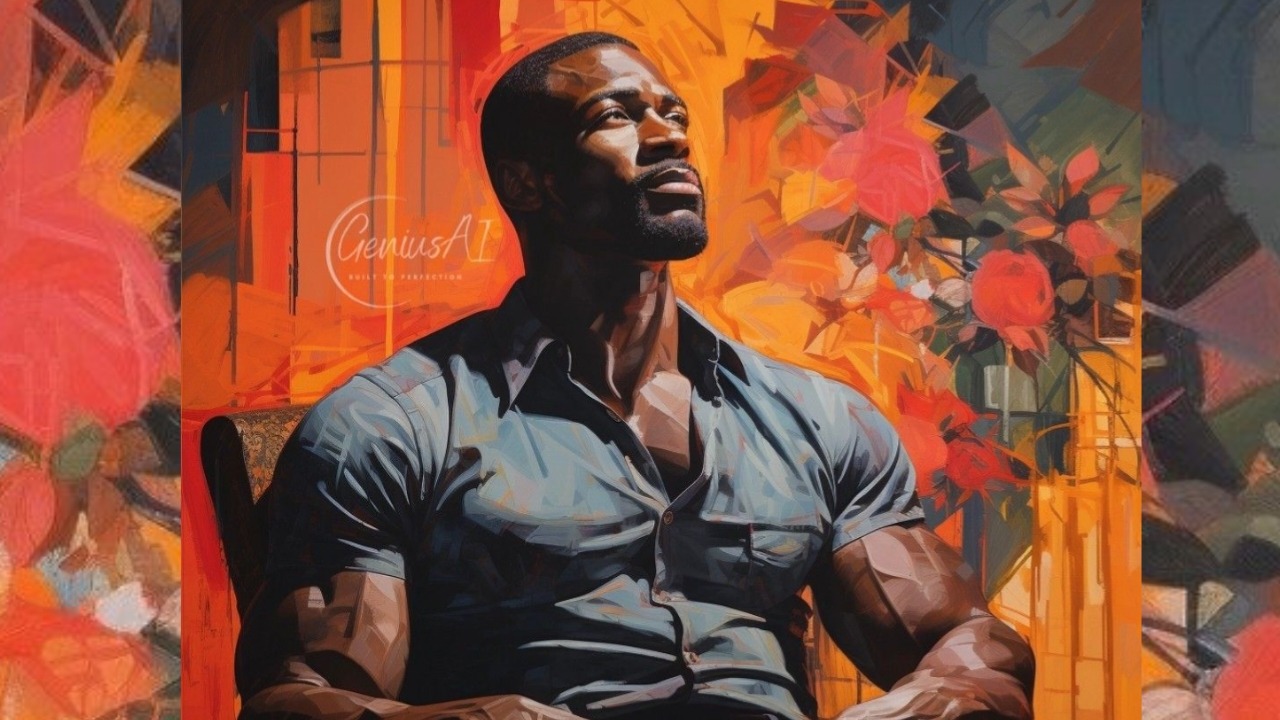
When masculinity is treated as a narrow mold, it becomes exclusionary. Men who do not fit into the dominant script are labeled weak, soft, or inadequate. This pressure does not disappear with age. It simply evolves. Adult men are expected to be providers, protectors, and problem-solvers, often without space to admit confusion, exhaustion, emotional pain or even a little break to rest. Masculinity, in this sense, becomes less about identity and more about an undying sense of obligation that needs to be fulfilled.
Understanding masculinity as a social construct does not mean dismissing it. It means recognizing that it has been shaped and can therefore be reshaped. What we inherited is not the only option.
Beyond “Toxic Masculinity”: What the Conversation Often Misses
The phrase “toxic masculinity” has become popular in cultural discourse, but it is also frequently misunderstood. At its core, it refers to behaviors that harm both men and society, such as emotional repression, aggression, and dominance at all costs. The problem arises when the phrase is interpreted as an attack on masculinity itself rather than on harmful expressions of it and how to actually solve the issue.
Many men feel alienated by the conversation because it often sounds accusatory rather than invitational. When masculinity is framed only as something to be unlearned, men are left without a clear alternative. Telling someone what not to be without showing what they can become creates defensiveness, not growth.
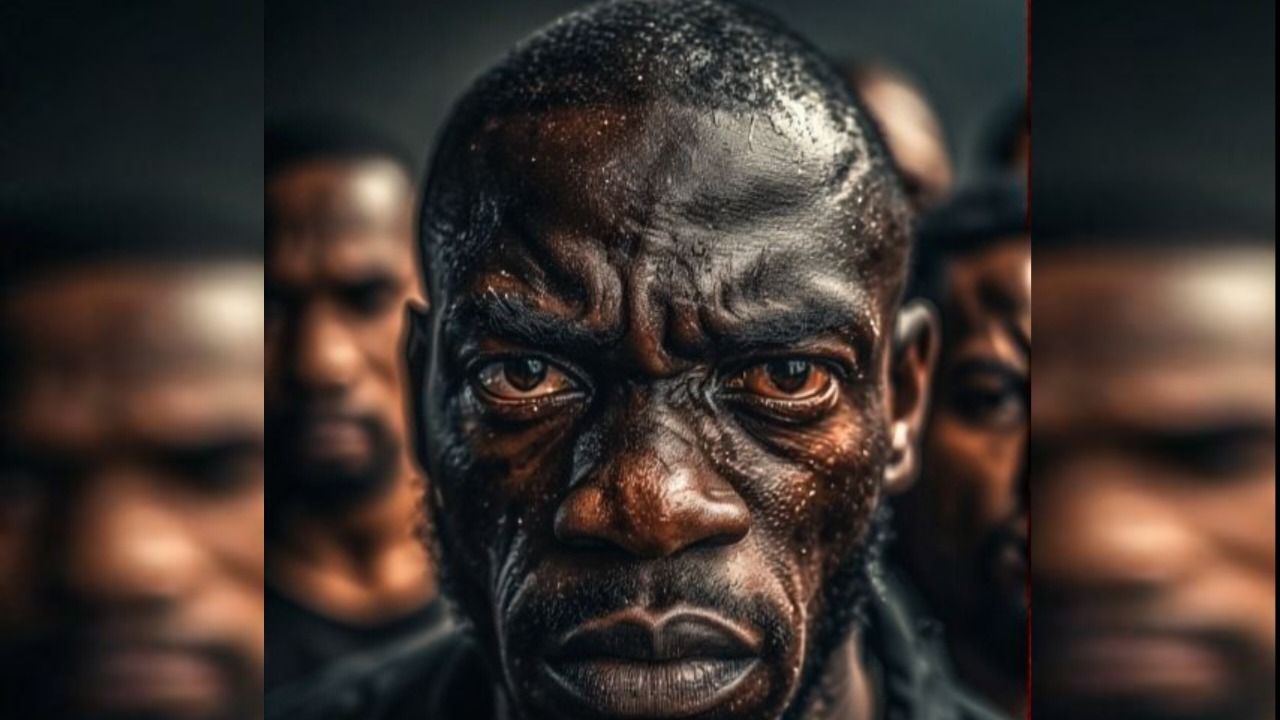
What is often missing is empathy. Men are not born emotionally closed off. They are taught to be. When we ignore the social pressures that shaped them, we risk blaming individuals for coping mechanisms they developed to survive. Suppressed emotion does not disappear. It accumulates. And when it has no healthy outlet, it often expresses itself through anger, withdrawal, addiction, or violence.
Globally, statistics continue to show higher suicide rates among men, lower rates of mental health help-seeking, and widespread emotional isolation. These outcomes are not random. They are directly linked to a culture that equates masculinity with silence. If we truly want to address harm, we must move beyond labeling and toward rebuilding.
Men, Emotions, and the Cost of Carrying Everything Alone
Men are humans first. This truth sounds obvious, yet it is radical in practice. Men feel grief, fear, shame, joy, insecurity, and loneliness with the same intensity as women. The difference lies not in emotion itself, but in permission. Women are generally socialized to process emotion communally. Men are taught to internalize it privately.

Social Insight
Navigate the Rhythms of African Communities
Bold Conversations. Real Impact. True Narratives.
This emotional isolation begins early and compounds over time, you see it across cultures in Africa and communally it seemed we all agreed to it. Adult men often lack the language to articulate what they feel because they were never encouraged to practice it. For many men we see individuals who cannot express their emotions and this compounds to issues in relationships and family lives. Instead, they learn to distract themselves with work, achievement, or silence. Society rewards productivity but rarely checks the cost.
The consequences can be catastrophic. Suppressed emotion does not simply fade. It manifests in physical health issues, broken relationships, and sudden emotional collapse. Many men only confront their inner lives during crisis, when something has already gone wrong.
Creating healthy spaces for men is not about weakness. It is about sustainability. Men need rooms where they can speak without being judged, gatherings where vulnerability is not mocked, and communities that prioritize connection over competition. Meetups, hangouts, seminars, and men’s circles should not be treated as unusual or unnecessary. Women have long benefited from collective emotional spaces. Men deserve the same.
Normalizing these spaces does not erase strength. It redefines it.
What Healthy Masculinity Can Look Like Today

Healthy masculinity is not about abandoning tradition, nor is it about adopting a single new model. It is about balance. It allows strength to coexist with softness, leadership with listening, confidence with curiosity. A healthy masculine identity does not fear emotion because it understands that emotion is not the opposite of control, but a source of insight. A man shouldn't be laughed at for expressing their emotions because that will only worsen the issue.
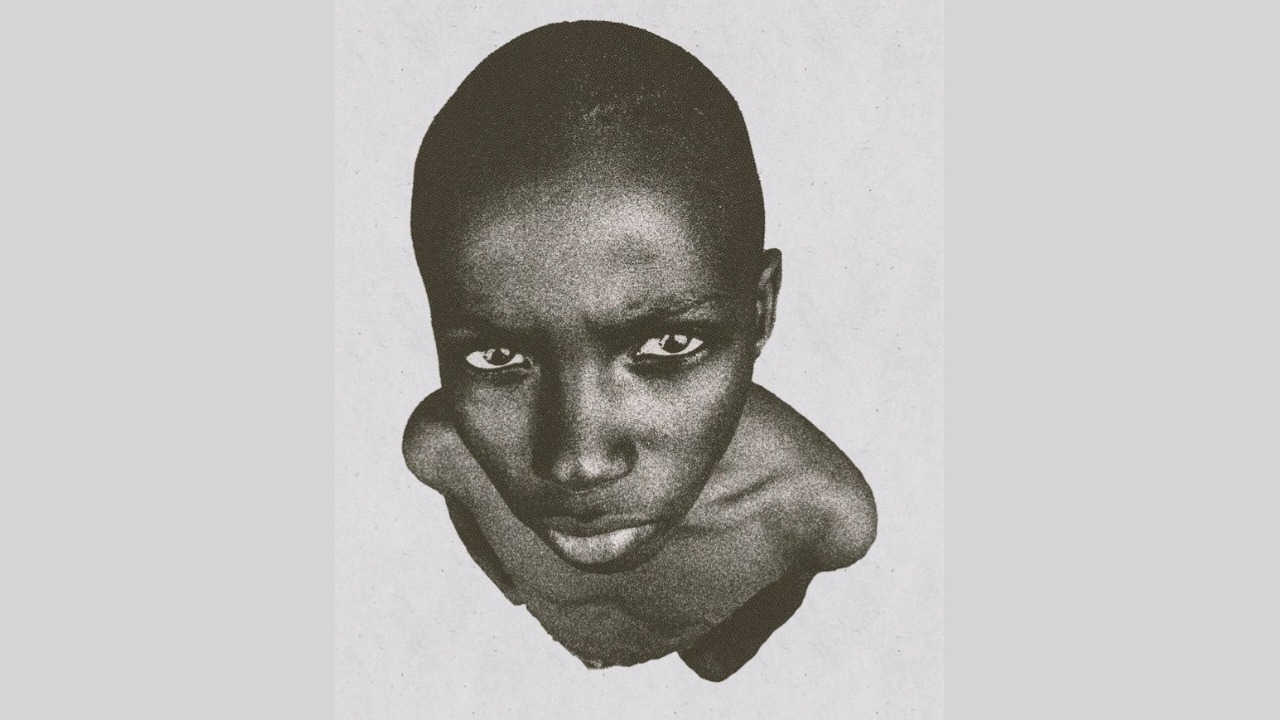
In this version of masculinity, asking for help is not failure. It is awareness. Expressing emotion is not weakness. It is communication. Community is not dependency. It is connection. Young boys and Men should be allowed to grow, change, and question without feeling that their identity is under threat.
Healthy masculinity also recognizes responsibility without martyrdom. Being a provider does not require emotional self-erasure. Being resilient does not mean being unreachable. Being respected does not mean being feared. These shifts do not diminish men. They free them.
Reimagining masculinity is not a project for men alone. It requires families, educators, media, and institutions to participate. It requires parents who raise boys with emotional literacy, cultures that reward honesty over dominance, and narratives that show men as complex rather than invulnerable, because if all of this is done we would get to see young boys grow into healthy and emotionally stable men who would in turn raise healthy and stable families that would form a healthy society that is free from toxic masculinity.
The term masculinity does not need to be dismantled. It needs to be humanized.
So you see, the question is not whether masculinity is good or bad. The question is how do we interpret the word personally and whether it is livable. The version of masculinity that demands emotional silence is unsustainable in a world that is already heavy. If men are expected to carry society, then society must also learn to carry men. When masculinity is allowed to breathe, everyone benefits.