Western Allies Fortify Ukraine's Skies: Patriot Missiles and 'City Dome' Shield Against Russian Aggression
European Union countries have approved a €3.2 billion loan for Ukraine to procure U.S.-made Patriot interceptors, marking a crucial financial step towards strengthening its air defense. While Germany has pledged PAC-2 missiles and other aid, the immediate challenge lies in the swift delivery of these vital systems to counter ongoing Russian attacks before winter intensifies.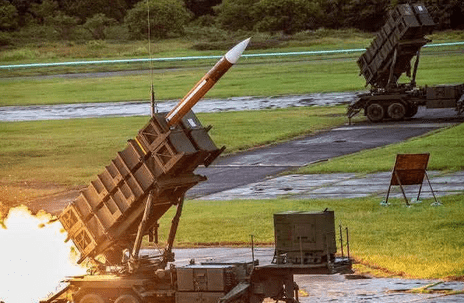
The European Union has taken a significant step in bolstering Ukraine's air defense capabilities by agreeing to allow €3.2 billion from its €90 billion support loan to be used for the immediate purchase of urgently needed Patriot interceptors and related air-defense equipment. This exemption is particularly noteworthy as the loan's primary intent is to finance weapons produced within Ukraine or Europe, while Patriot systems and their interceptors are manufactured in the United States. While formal finalization is expected by week's end, the approval of funds is merely the initial phase; the critical question now revolves around the speed at which these vital missiles can actually reach Ukraine.
Kyiv is grappling with relentless Russian missile and drone attacks, which are rapidly depleting its already limited air-defense stocks. Ukrainian officials have consistently emphasized the dire necessity for additional interceptors to safeguard major cities, vital infrastructure, and critical energy facilities. The urgency is underscored by the fact that for Ukraine, the concern has shifted from financial approval to the rapid physical arrival of the missiles. The conversion of this funding into operational air-defense protection hinges on factors such as U.S. authorization, the availability of interceptor stocks, global production capacity, and efficient delivery schedules. Europe has opened the financial door; the onus is now on the United States and the defense industry to translate this commitment into tangible interceptors that can be deployed before the anticipated next major wave of attacks.
In a parallel and substantial effort, German Defense Minister Boris Pistorius announced an initiative on September 8 aimed at establishing a comprehensive “protective shield” over Ukrainian cities and significantly enhancing the nation’s air-defense capabilities. As part of a broader support package, Berlin plans to furnish Ukraine with additional drones, long-range ammunition, and critically, PAC-2 interceptor missiles for Patriot air-defense systems, which will be drawn from German Bundeswehr stocks. Germany will also finance the acquisition of tens of thousands of long-range artillery shells, further empowering Ukraine to defend its territory and strike Russian military targets at extended ranges. This initiative highlights Germany's continued role as a key supplier and marks another significant stride in Europe's collective endeavor to fortify Ukraine’s defenses against ongoing Russian aerial assaults targeting cities and critical infrastructure.
Amidst these efforts, Kyiv has articulated specific and pressing requests, including 300 Patriot interceptors from existing allied stockpiles, 500 air-to-air missiles, and an additional $2 billion to expand its drone capabilities. Germany has proactively responded by pledging PAC-2 Patriot missiles from its Bundeswehr stocks and has urged other allies to contribute from their inventories. The United Kingdom has also committed an additional $135 million to expedite air-defense deliveries before the onset of winter. Financing remains a paramount concern for Ukraine, with an estimated defense funding gap of around $27 billion, including resources required to sustain its drone capabilities through 2027. Kyiv’s warning that Russia might be preparing to mobilize an additional 300,000 troops suggests Moscow could be bracing for a protracted conflict.
The message emanating from Ramstein is unequivocal: time is running out before winter. Both Ukrainian and Western officials harbor fears that Russia could intensify its strikes against energy infrastructure, ports, and civilian facilities as colder months approach. Delays in the delivery of interceptors and the financing of air-defense systems could directly compromise Ukraine’s capacity to protect its population and urban centers from the next wave of Russian aggression. Pistorius’s call to other member states to scrutinize their own air-defense inventories for potential contributions underscores the collective responsibility and the critical need for unified action to meet Ukraine’s urgent defensive requirements.