US Issues Urgent Travel Warning for Kenya Amid Rising Ebola Threat
The United States has elevated its travel advisory for Kenya to Level 3, urging Americans to reconsider travel following the confirmation of eight Ebola cases, including one fatality, in the country. These cases, linked to an outbreak in the Democratic Republic of Congo, have prompted extensive contact tracing and strengthened border screenings by Kenyan authorities. While officials assert a low risk of wider community transmission, the advisory highlights limited medical services, especially in rural areas.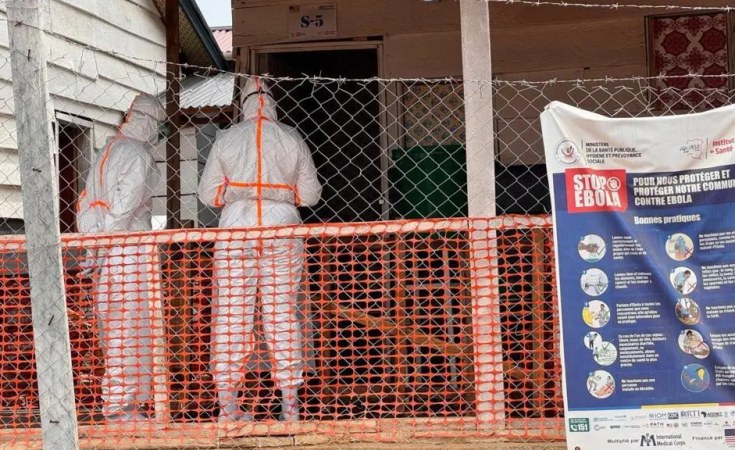
The United States Department of State has escalated its travel advisory for Kenya to Level 3, advising American citizens to reconsider travel to the East African nation. This heightened caution, updated on October 19, stems from the confirmation of eight Ebola cases in Kenya, including one fatality, amidst concerns over potential regional transmission. The advisory specifically highlights the limitations of medical services within Kenya, noting their scarcity in rural areas and frequent lack of sufficient medicine and equipment in facilities.
Kenya is currently managing its first reported instances of Ebola caused by the Bundibugyo virus, which is intrinsically linked to an ongoing outbreak in the Democratic Republic of Congo (DRC). The initial case in Kenya was confirmed in early October, involving a Kenyan man who had resided in the DRC and subsequently traveled through Uganda to Nairobi. He was admitted to a hospital but tragically succumbed to the illness on October 5.
Following this, a cluster of infections emerged among the initial patient's relatives and healthcare workers, elevating the national count to eight confirmed cases by October 18, as reported by health officials. The most recent case involved a 49-year-old hospital attendant who had provided care to the index patient. This individual tested positive while under quarantine, underscoring the inherent risk of transmission among those exposed to infected individuals.
In response to the outbreak, Kenyan authorities have identified 130 contacts associated with the initial case. Of these, 128 have been successfully traced and placed under quarantine, with ongoing efforts to locate the remaining two individuals. Despite these developments, officials have stated that there is no evidence of broader community transmission, asserting that the risk to the general public remains low.
Proactive measures undertaken by Kenya include strengthened screening protocols at border points and airports, intensified contact tracing, enhanced laboratory testing capabilities, and improved isolation arrangements. Prior to the confirmation of the first case, the Health Ministry reported screening over 652,000 travelers since the regional outbreak began and testing 267 samples.
In contrast to the State Department's Level 3 advisory, the US Centers for Disease Control and Prevention (CDC) issued a Level 1 health notice for Kenya on the same day, October 19. This notice recommends usual travel precautions rather than advising against all travel. The CDC advises travelers to avoid contact with individuals exhibiting Ebola symptoms or their bodily fluids and to seek guidance from health authorities should symptoms manifest.
The Bundibugyo strain of Ebola currently lacks an approved vaccine or specific treatment, though early supportive care significantly enhances a patient's chances of survival. The wider Ebola outbreak in the DRC has tragically accounted for thousands of infections and deaths, placing considerable strain on regional surveillance and public health response systems.