Unwrapped: The Secret Economics Behind Labor Day's Retail Frenzy!
Labor Day, celebrated annually on the first Monday of September, honors American workers and informally marks the end of summer. Over time, it has evolved into a significant shopping holiday, driven by seasonal demand for fall and winter wear, back-to-school needs, and increased consumer availability on a federal holiday.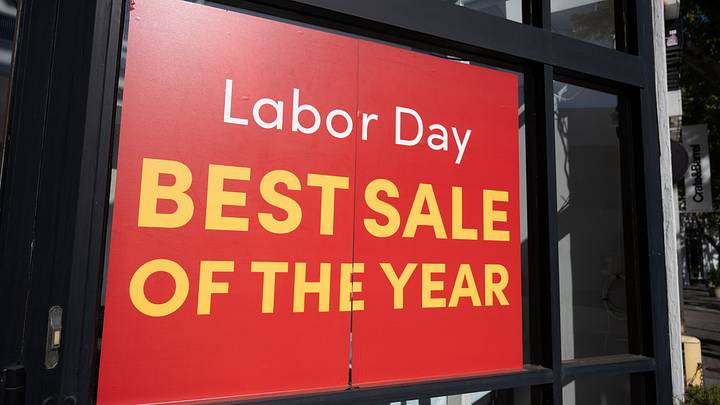
Labor Day, an annual federal holiday in the U.S., is observed on the first Monday of September each year. Established in the late 19th century, its primary purpose is to celebrate American workers. The holiday was officially recognized and signed into law by President Grover Cleveland in 1894, making it a federal observance, distinguishing it from other countries where workers' day is often celebrated on May 1st.
Beyond its formal dedication to workers, Labor Day also holds informal significance as it is widely regarded as the unofficial end of summer. Celebrations commonly include traditional American pastimes such as fireworks displays, picnics, and barbecues. In recent decades, however, another custom has emerged: stores across the nation now regularly host significant sales events on Labor Day, offering discounted prices on various items, particularly clothing.
The prevalence of these Labor Day sales can be attributed to several factors. The informal marking of summer's end in the U.S. naturally shifts consumer demand towards clothing more suitable for the upcoming fall and winter months. Retailers capitalize on this transition by offering discounts, thereby enticing customers into stores and boosting sales. This strategy not only meets evolving consumer needs but also provides a substantial revenue opportunity for businesses.
Furthermore, the timing of Labor Day coincides with the crucial back-to-school period. This makes it a popular day for families to purchase essential items like clothes, stationery, and other equipment necessary for the new academic year. The holiday also offers a valuable opportunity for families to spend quality time together, including shopping, which might otherwise be difficult during regular weekdays when parents are at work and children are at school, providing a chance for such activities before students return to their studies.
Holidays in general play a vital role for retailers by expanding the window of opportunity to attract customers. Since many people have the day off from work on Labor Day, they gain the freedom to visit stores during hours they would typically be at their workplaces, further contributing to the holiday's status as a major shopping event.