To Earn N9 Million a Month as an Entry-Level Pilot, Here's What Nigerians Must First Spend
Entry-level pilot salaries in Nigeria can reach N9 million monthly, but aspiring aviators may need to spend over N30 million on training and type rating before earning their first paycheck. The real cost of becoming a pilot in Nigeria explained.

Entry-level pilot salary in Nigeria has been quoted to be as high as N9 million a month, a figure making the rounds on social media and having thousands of young Nigerians genuinely thinking of going to aviation schools.
However, there is something that comes before that pay-check and it doesn’t get as much attention. The size of the training bill that comes before that paycheck is large and only few entry-level pilots actually see numbers anywhere close to N9 million in their first years of flying.
What Entry-Level Pilots In Nigeria Really Earn
Most aviation salary trackers place entry-level first officers in Nigeria between N500,000 and N1.2 million monthly, with some data putting the wider range as high as N800,000 to N3 million. This depends on the airline, aircraft type and whether the route is domestic or international.
The N9 million figure exists, but it sits at the very top of what a few first officers on international routes with premium carriers earn, not what a freshly type-rated pilot walks into on day one.
Most new pilots spend their first one to three years earning far below that ceiling, building flight hours and moving through aircraft types before qualifying for the routes and carriers that eventually pay closer to the number now circulating online among aspiring aviators.
The Real Cost of Becoming a Pilot in Nigeria
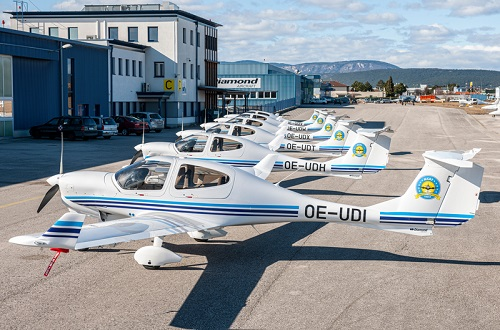
Reaching even the lower end of that salary range requires years of expensive training first. The Nigerian College of Aviation Technology (NCAT) in Zaria and the International Aviation College (IAC) in Ilorin, the two most recognised training institutions, now charge between N18 million and N20 million for a standard commercial pilot licence.
This is a figure that has more than doubled in a few years because of the naira's exchange rate against the dollar, since aircraft parts, fuel and instructor fees are dollar-denominated.
Private academies like Dhaewood Aviation Business School (DABS) and other NCAA-approved schools charge slightly less, with full pilot courses ranging from N7.5 million to N15 million.
When you add feeding, accommodation, medical certification and repeat exams, the realistic cost of becoming a pilot in Nigeria today lands between N10 million and N25 million, before a single naira of salary is earned.
Type Rating: The Hidden Second Bill
A commercial pilot licence alone does not make anyone employable on an actual aircraft. Airlines requirea type rating, which certifies a pilot to fly a specific aircraft model such as a Boeing 737 or an Airbus A320.
This second round of training, often done abroad, can cost an additional N15 million to N30 million, and many airlines do not sponsor it for freshly licensed pilots.
This means the true entry price into the cockpit, licence plus type rating, frequently exceeds N30 million before a single paycheck is earned, which is why so few entry-level pilots see N9 million a month early on.
That salary belongs to those who have already cleared the training debt and moved several years into the career.
How Nigeria Compares to Kenya and South Africa
Nigeria is not uniquely expensive on the continent, but it is not the cheapest either. In Kenya, pilot training costs between KES 5 million and KES 10 million, and graduates start as flight instructors earning KES 60,000 monthly before senior captains eventually reach KES 2.5 million.
South Africa remains one of the more affordable training destinations globally, drawing aspiring pilots from across the region, including Nigeria, partly because dollar-based costs there are lower than in Europe or North America.
Across East and Southern Africa, entry-level pay also starts modestly, and training costs eat up several years of an average worker's income long before any pilot earns a stable salary, let alone a N9 million equivalent.
What Entry-Level Pilots Earn and Spend in the US, UK and India
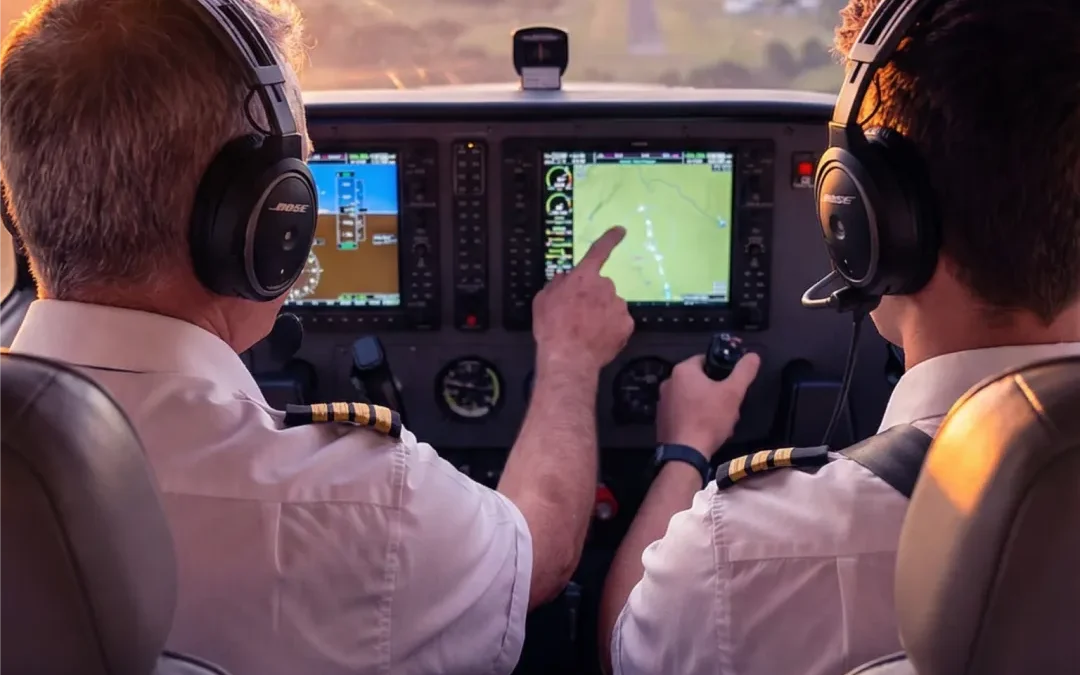
Outside Africa, the pattern of high upfront cost against modest starting pay repeats itself. In the United States, commercial pilot training costs between $60,000 and $100,000, and entry-level first officers at regional carriers start closer to $50,000 to $70,000 a year.
This is well below the $219,140 median that the Bureau of Labor Statistics reports for the profession overall and a figure driven up by senior captains at major carriers.
In the United Kingdom, training costs range from £95,000 to £145,000. This is a debt many pilots repay gradually once employed at entry-level pay.

India offers a cheaper route into the profession, with training costing between ₹35 lakh and ₹55 lakh, while fresh licence holders earn only ₹1.5 lakh to ₹3 lakh monthly before climbing toward ₹6 lakh to ₹10 lakh as captains.
Everywhere, the entry-level salary is a fraction of what senior pilots eventually earn, and nowhere does it match the training bill in the first year or two.
Is the N9 Million Dream Worth the Wait?
This number is not false but it is misleading when attached to the word "entry-level." It describes a destination reached after years of flying and steady promotion, not a starting salary anyone should count on immediately.
What is consistent is that piloting rewards those who can absorb a large upfront cost and then wait through several modestly paid years before the income catches up to expectation.
For Nigerians facing a training bill that can exceed N30 million once type rating is included, that wait is the real cost of the dream, and it deserves as much attention, planning, and honest conversation as the eventual paycheck everyone likes to talk about.