The Virus-Killing Air Filter and the 12-Year-Old Nigerian Who Made It
In October 2024, A 12-year-old Nigerian-American girl created a low-cost air filter that kills over 99% of airborne viruses. Meet Eniola Shokunbi and the science changing classrooms.
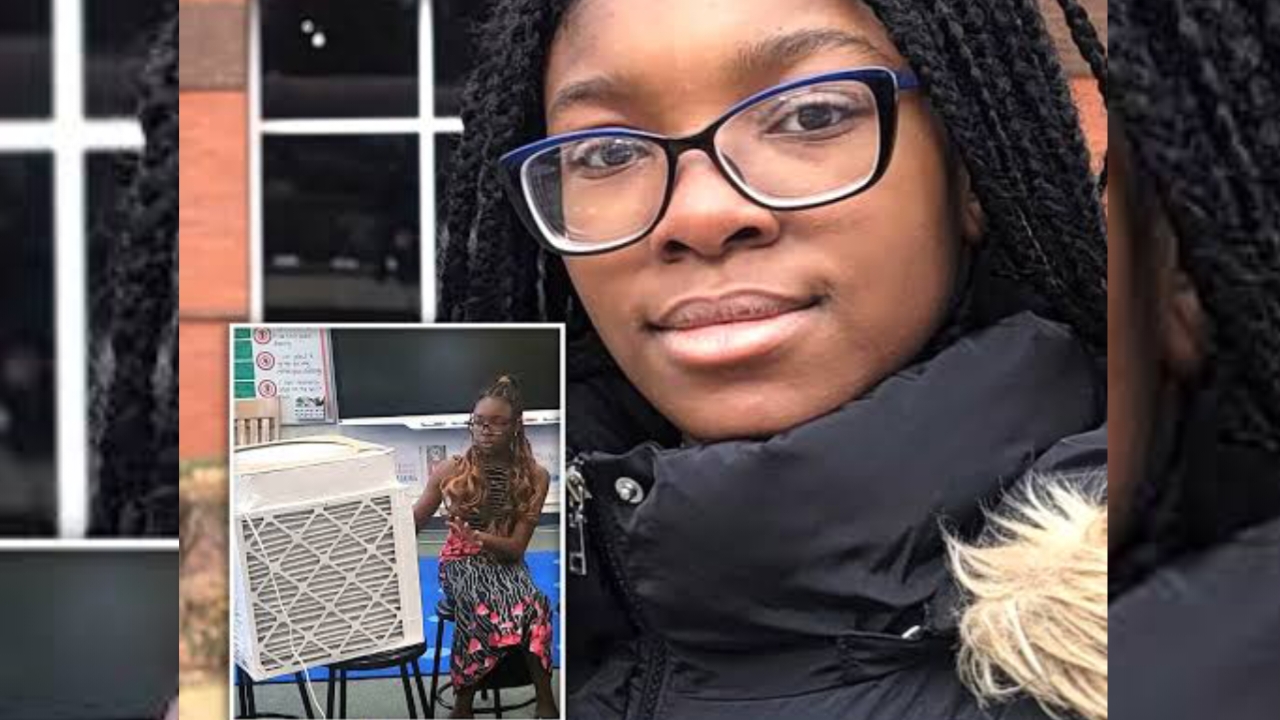
Would you believe it if I told you that some solutions around today didn't arrive in grand gestures or from acclaimed scientists but from a small classroom and were birthed through the hands of a teen?
Curiosity and genuine questions was the foundation that birthed remarkable inventions ever made and this story is not an exception.
I'm sure by now that you should be fully aware of the fact that the air we breathe can make us fall sick, and it's actually our immune systems that constantly work nonstop to prevent harmful effects in the body.
In 2024, a few years after COVID-19 and with plans from various organizations and governmental bodies to ensure safety to avoid an outbreak of any pandemic like the COVID, a 12-year-old Nigerian-American girl quietly built an answer, an air cleansing filter for protection against viruses.
The Virus-Killing Air Filter and the Science Behind It
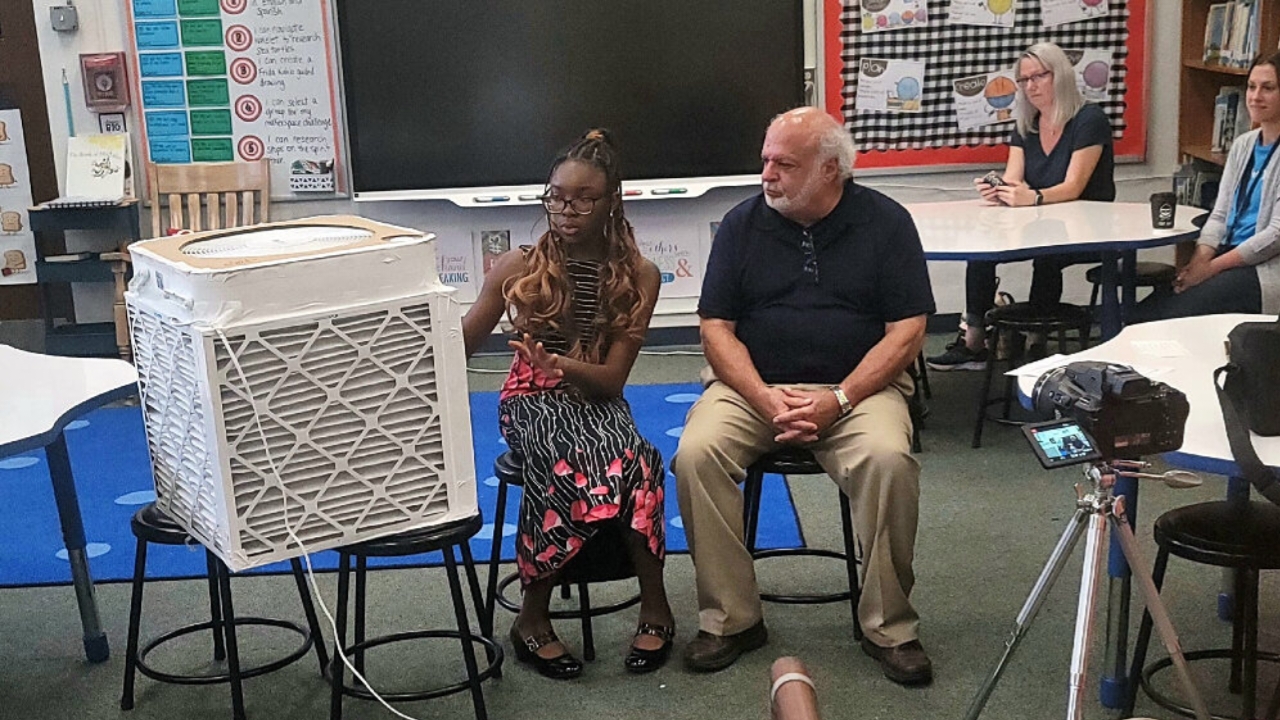
Eniola Shokunbi’s invention is without a doubt, a genius and simple idea: cleaning the air before it harms people. Her air filtration system is based on a design known as the Corsi–Rosenthal box, a low-cost air purifier that uses common materials to remove airborne particles, including viruses.
The filter is constructed using four furnace filters arranged in a cube, a box fan mounted on top, and sealed with duct tape and cardboard.
Air is drawn in from the sides, passes through multiple layers of filtration, and exits from the top, significantly cleaner than before. The entire unit costs about $60 to build and can be assembled in under 30 minutes.
What makes this innovation remarkable isn’t just its affordability, but its effectiveness. After undergoing rigorous testing by scientists at the University of Connecticut and certification by the U.S. Environmental Protection Agency (EPA), the filter was shown to remove over 99% of airborne viruses within an hour. This includes particles responsible for colds, flu, and COVID-19.
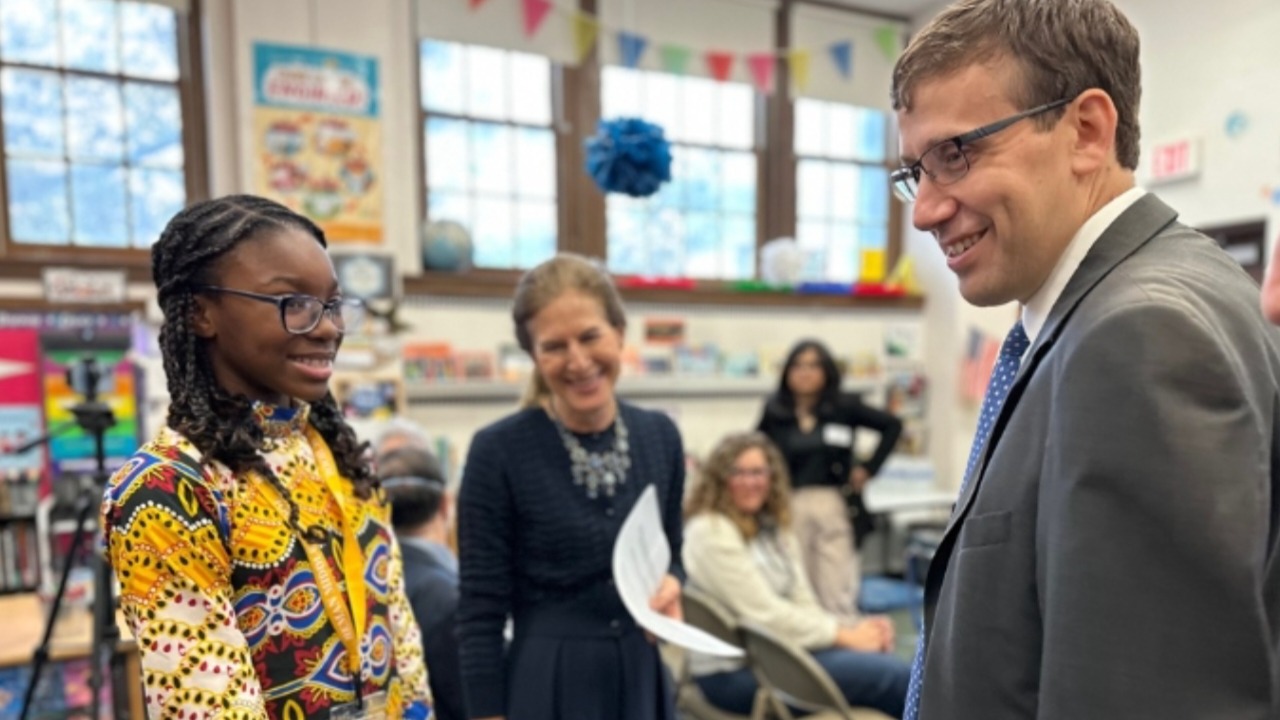
In crowded indoor spaces like classrooms, where poor ventilation often turns shared air into a health risk, this kind of filtration was life-changing.
The filters are quiet, energy-efficient, and require minimal maintenance, with replaceable filters lasting up to five or six months.

For schools that cannot afford commercial air purifiers costing thousands of dollars, Eniola’s solution offers something rare, an attempt at science that is accessible, scalable, and humane.
Meet Eniola Shokunbi: A Genius at 12
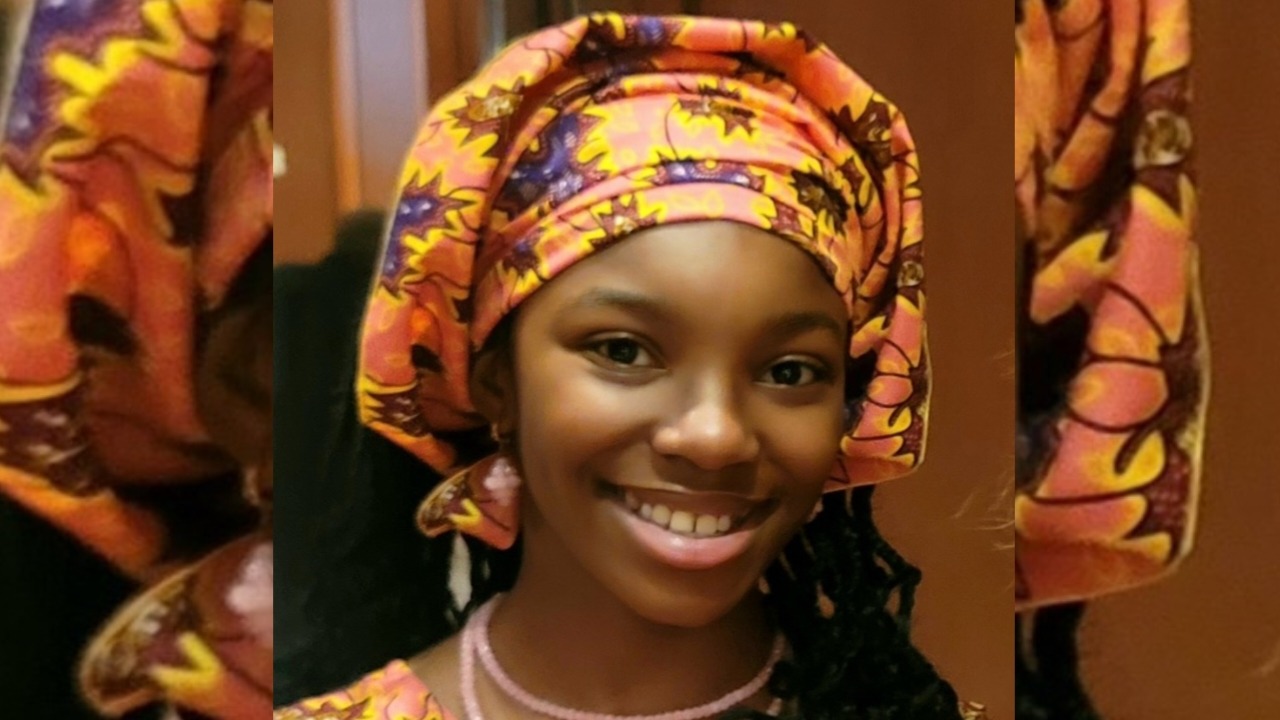
Eniola Shokunbi was just a fifth-grade student at Commodore MacDonough STEM Academy in Middletown, Connecticut, when her teacher challenged the class to imagine solutions to future pandemics.
While others might have probably brainstormed abstract ideas, Eniola focused on something that was tangible and really needed attention in her immediate environment which her classroom and that was air quality.
Her interest wouldn't have just been random, because as a student in a room with other students of her age, she would have definitely noticed how stuffy classrooms became when doors and windows were closed, or when it was jam-packed and maybe how frequently her classmates fell ill.
After reading about air filtration systems used in the White House, she began researching how similar technology could work in schools.
Eniola wrote to Marina Creed, director of UConn’s Indoor Air Quality Initiative, requesting blueprints for an air filter, a confident behavior that I admire because not many kids can do that and maybe her parents as well as her teachers encouraged her.
Instead of ignoring the request, Creed responded, with scientists, hands-on lessons, and real collaboration. Together, they helped Eniola and her classmates build and test the filter.
A lesson that we all need to learn and that is to never despise ideas or strategies no matter from who it's coming from, even if it's a 12 year old child.
The results were undeniable and by October 2024, Eniola’s invention had gained statewide attention. Soon after, the Connecticut State Bond Commission unanimously approved $11.5 million to fund the construction and installation of the air filters in public school classrooms across the state.
The initiative operates under UConn’s SAFE-CT: Supplemental Air Filtration for Education Program.
Eniola was present in the room when the funding was approved, a moment few scientists usually experience, let alone a 12-year-old. “A lot of people don’t realize that the only thing standing between them and getting sick is science,” Eniola Shokunbi had reportedly said. “If we’re not investing in that, then we’re not investing in kids’ futures.”

Born to Nigerian parents, Eniola represents a powerful blend of heritage, intellect, and purpose. She dreams of becoming the first Black woman president of the United States, but for now, she is focused on ensuring that children can go to school knowing they are safe, healthy, and able to learn.
Beyond her contributions to air quality, Eniola has received national recognition for her academic excellence and leadership. In 2022, she won the top prize in the elementary school division of the SIFMA Foundation’s InvestWrite competition, where she crafted a thoughtful investment strategy essay.
Her growing list of honors includes the Forbes Woman Africa 2025 Young Achiever Award, the STEAM Train Youth Innovation Leadership Award, the NAACP Extraordinary Youth Leadership Award, the Women Herstory Community Service Excellence Award, and in January 2025, she was spotlighted by the Martin Luther King Jr. Foundation as a young changemaker making a meaningful difference in her community.
When Curiosity Meets Impact
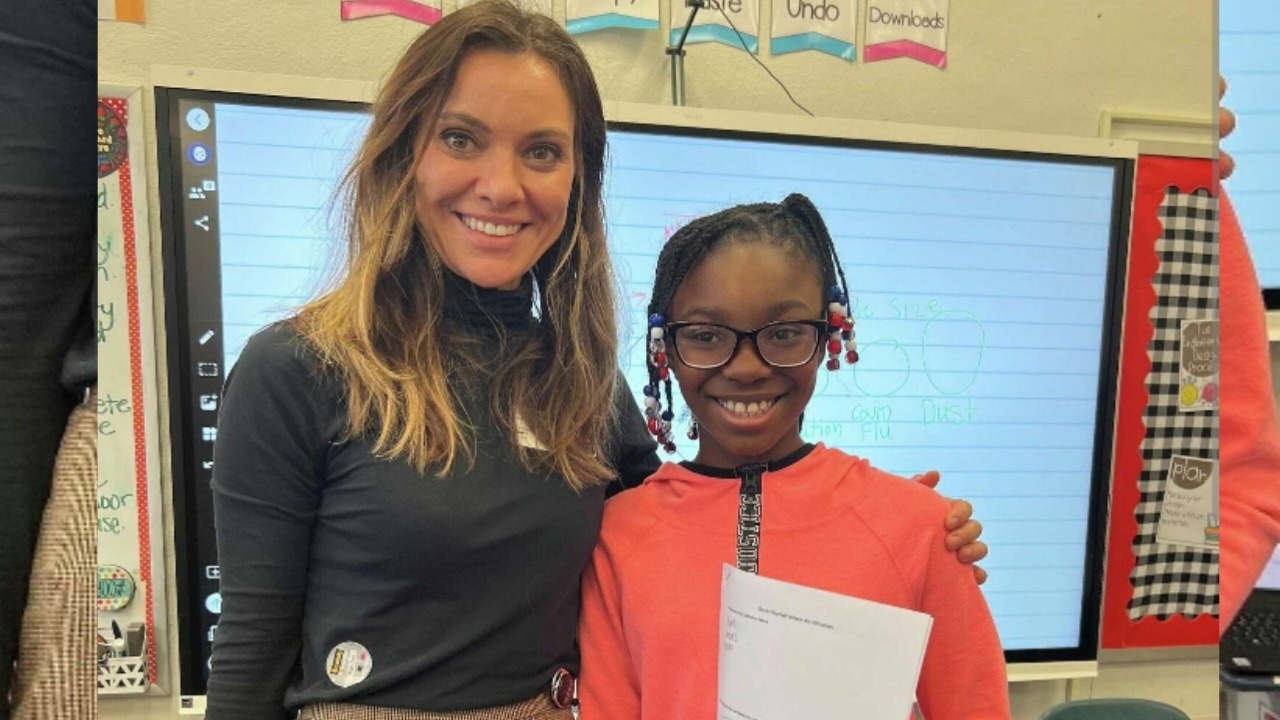
The story of Eniola Shokunbi reminds us that innovation doesn’t always come from experience, it often comes from attention.
Attention to problems that are normalized around our environment, attention to details that every other person ignores and attention powered by curiosity.
Her virus-killing air filter is more than a device, it is a statement of sheer intelligence. It proves that science does not belong exclusively to institutions, it belongs to those brave enough to ask questions and persistent enough to seek answers.
At just 12 years old, Eniola didn’t just imagine a safer future for classrooms; she helped build it.
Perhaps the most powerful part of her story is this: if a child can protect thousands of students with $60 and determination, then the rest of us have no excuse not to try.
And in the voice of Peter Drury—the British football commentator—what were you doing when you were 12 years old? this time not 16 like Lamine Yamal.