The "Smell Good" Culture Is Making Us Spray More Perfume Than We Need
The “smell good” culture is encouraging people to overspray perfume. Here’s how excessive fragrance use can affect your skin, airways and health.
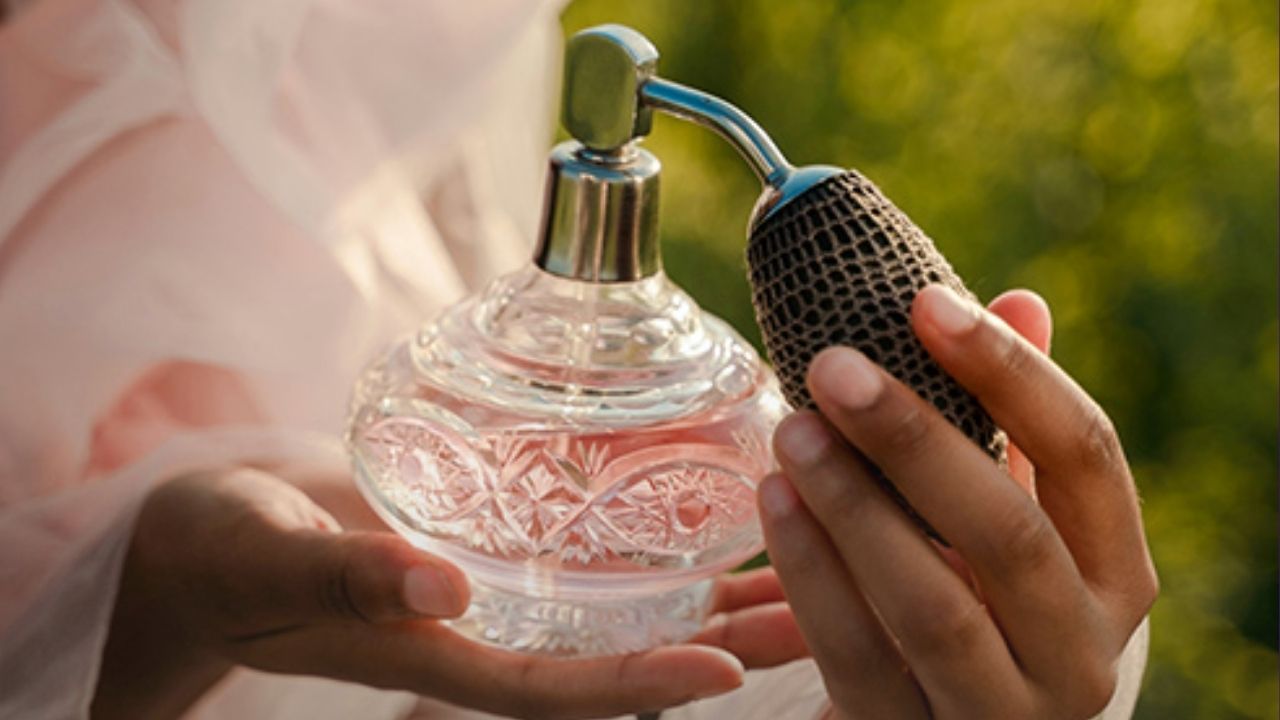
If you walk into any room full of young people today, you will likely notice a thick, layered cloud of fragrance that lingers long after the person has left.
Smelling good has become a personality trait with social media creators showing off routines that involve three, four, sometimes five different perfumes applied to one body in a single sitting.
The goal is to be unforgettable, to leave a "scent trail" strong enough that people ask who wore it.
However, this obsession with smelling loud is costing people their skin, their airways, and in some cases, their long-term health.
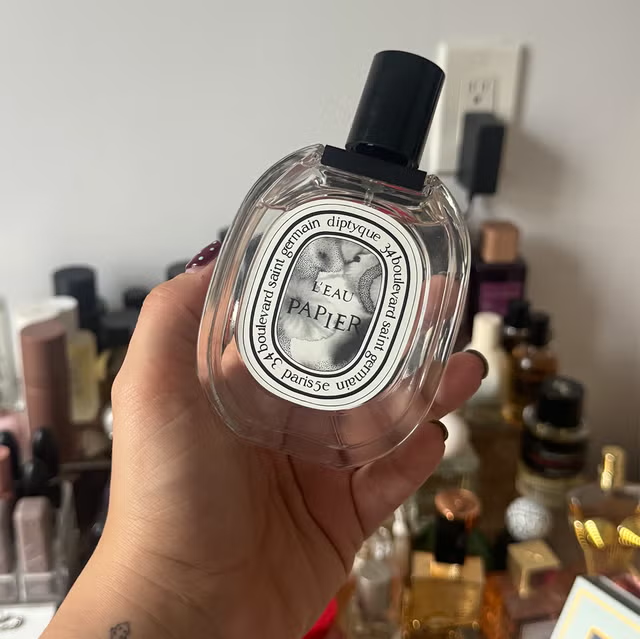
Why Young People Are Obsessed With Smelling Strong
The smell-good culture did not appear in void. Fragrance has become a status symbol the same way sneakers and skincare are.
A distinct, expensive-smelling scent signals wealth, confidence, and desirability. Perfume brands have leaned into this, marketing "clone" scents and designer dupes as tools for building a signature identity.
The result is a generation that measures self-worth partly in how strong and how long their perfume lasts, pushing many to over-apply rather than trust a lighter, well-placed spritz.
What Overspraying Perfume Actually Does to the Body
Fragrance is not just a pleasant accessory. It is a chemical cocktail, and the skin and lungs absorb more of it than most people realize.
You could get respiratory irritation. Inhaling concentrated fragrance repeatedly can trigger headaches, dizziness, and nausea.
For people with asthma or other respiratory conditions, heavy perfume use in enclosed spaces can set off breathing difficulties, since fragrance compounds are known to irritate the airways.
Then, there is hormone disruption. Many synthetic fragrance ingredients, including phthalates used to help scent last longer, have been linked to interference with the body's hormone signaling. Repeated, heavy exposure day after day adds up in ways single applications do not.
Also, scent fatigue. The nose adjusts to a smell it is constantly exposed to, so the wearer stops noticing their own scent and keeps adding more, unaware they have crossed from pleasant into overwhelming for everyone else in the room.
The Effects of Original Perfume on Skin
Even genuine, high-quality perfume is not risk-free when it is overused or applied incorrectly.
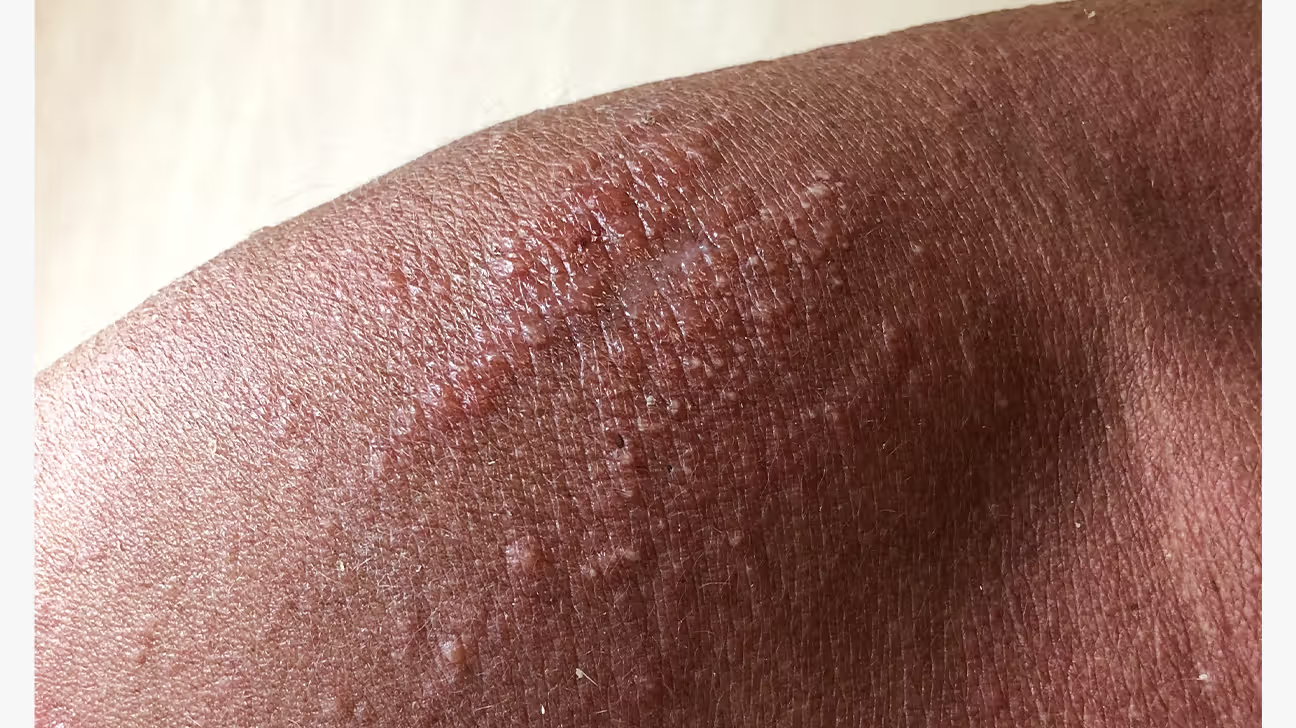
Contact dermatitis is the most common reaction dermatologists see from fragrance. It shows up as redness, itching, or a rash wherever perfume is repeatedly sprayed, most often the neck, wrists, and chest.
Photosensitivity and pigmentation are a bigger issue than most people expect. Perfume sprayed on the neck or chest and then exposed to sunlight can lead to a condition called Poikiloderma of Civatte, or in some cases Berloque dermatitis. They both leave mottled, brownish discoloration on the skin that can take months to fade.
There is also barrier damage. The alcohol base in perfume strips natural oils and moisture from the skin. Spraying it directly onto bare skin every day, rather than onto clothing, gradually weakens the skin barrier.

Dermatologists generally recommend applying perfume to clothing or a single pulse point, never rubbing it in, and avoiding direct sun on freshly sprayed skin.
The Hidden Dangers of Fake Perfume
The risks multiply significantly with counterfeit or "clone" perfumes, which have flooded markets and social media shops because they are cheap and marketed as smelling identical to designer originals.
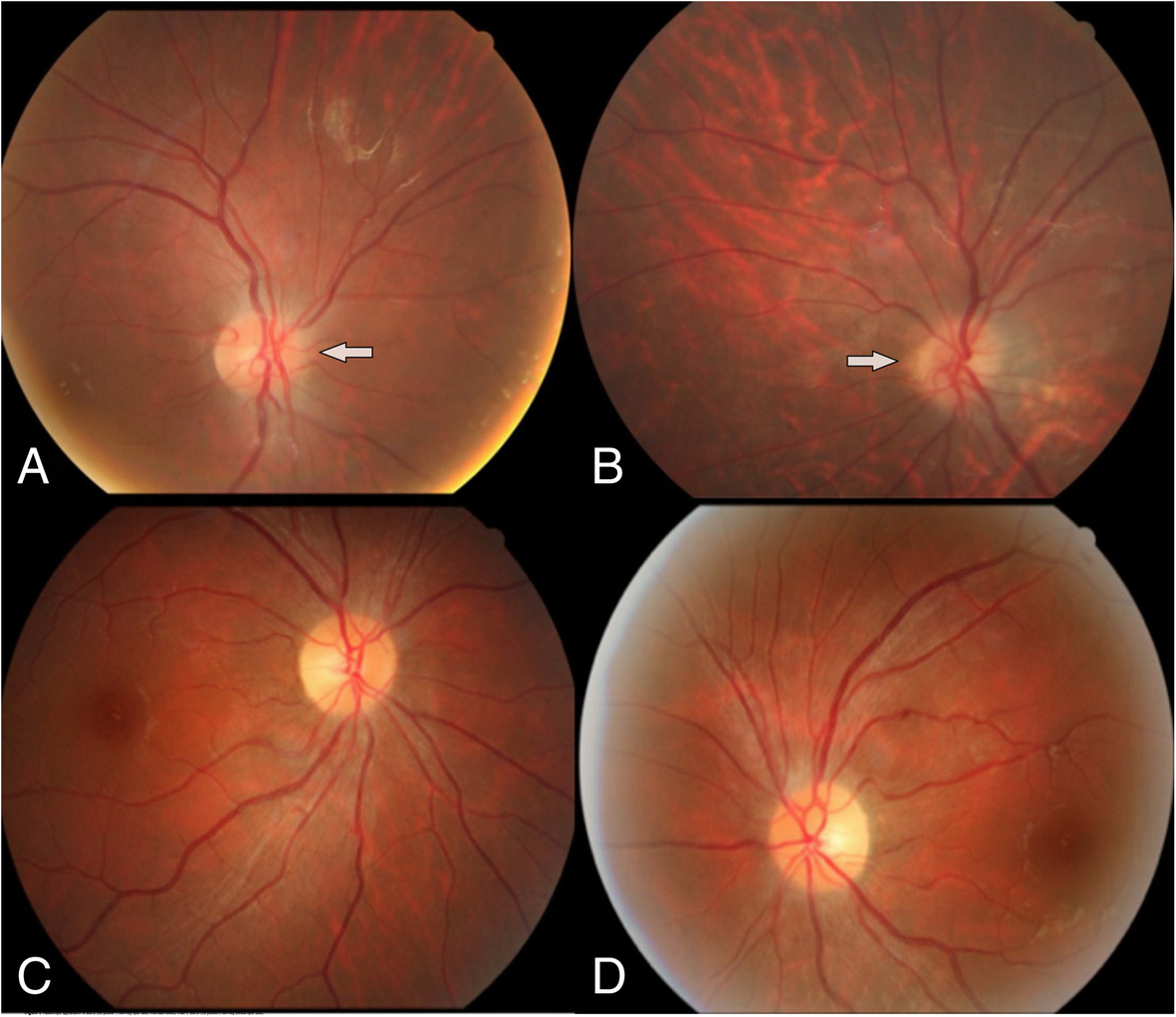
Fake perfumes are not held to any safety or dermatological testing standard. Investigations into counterfeit fragrance have repeatedly found industrial-grade methanol used in place of the denatured alcohol found in genuine perfume.
Methanol can cause chemical burns on the skin and, in extreme cases of exposure, has been linked to blindness.
Testing has also turned up heavy metals such as lead, mercury, and cadmium in some counterfeit batches, contaminants that accumulate in the body over repeated use.
Because these products skip proper preservation and quality control, some have even been found contaminated with bacteria.
Smelling Good Without Overdoing It
This doesn’t mean fragrance is an enemy. The problem is the culture of excess, spraying more, layering more, and reapplying more in pursuit of a scent trail loud enough to be noticed.
A lighter hand, genuine products, and a bit of restraint protect both the skin and the point of wearing perfume in the first place: to smell good, not to announce yourself from three rooms away.