The Potential and Risks of Geoengineering: Can Humanity Hack the Climate?
Geoengineering could help slow climate change, but it has risks. Learn how these techniques work and why reducing pollution and protecting nature remain essential, especially for Africa’s future.
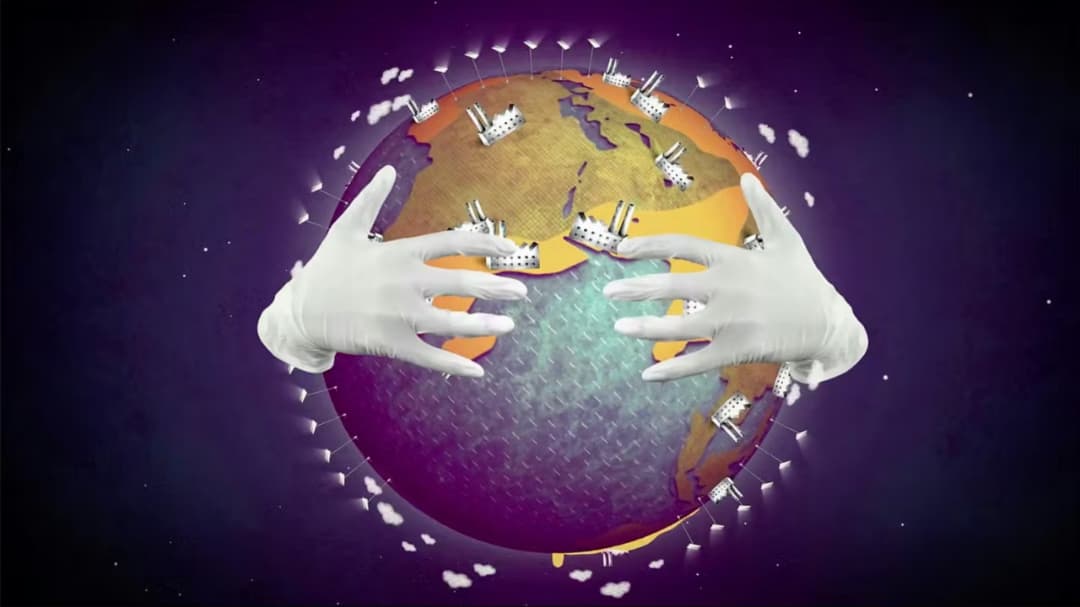
Climate change is a major challenge for Africa.
Rising temperatures, unpredictable rainfall, droughts, and floods are affecting communities, agriculture, and natural resources.
While reducing greenhouse gas emissions is essential, scientists are researching new ways to slow down global warming.
One of these approaches is called geoengineering, which involves deliberately altering the Earth's climate to reduce heat and carbon dioxide.
Geoengineering comes in two main forms.
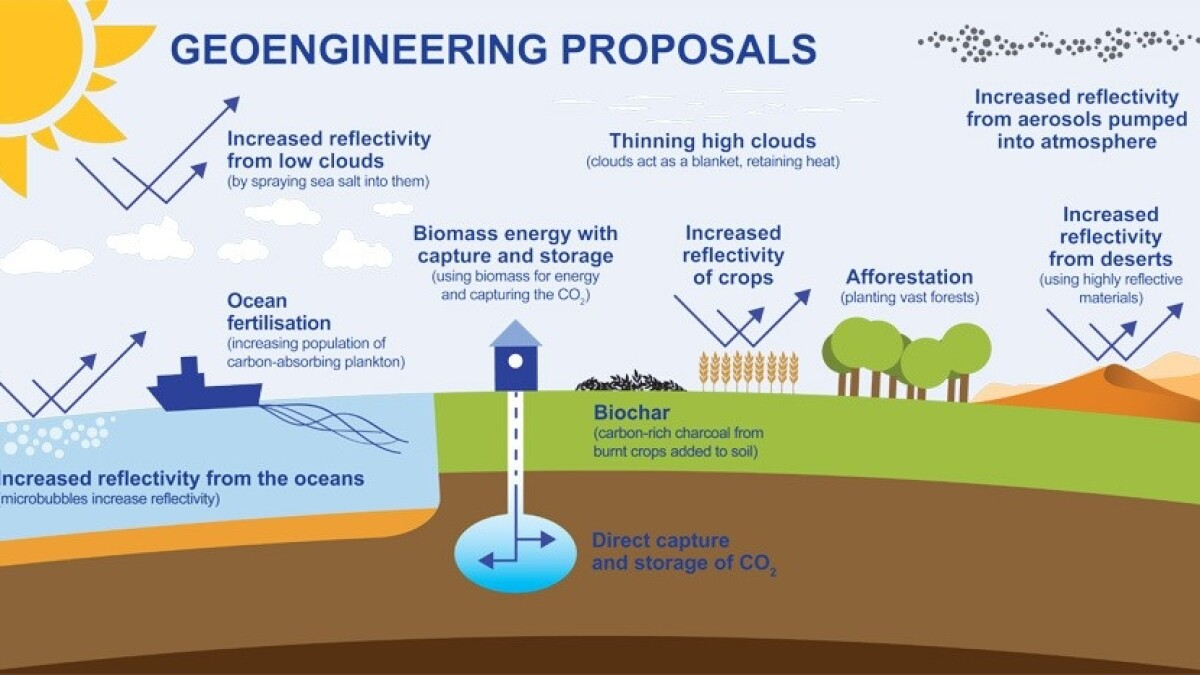
The first is Solar Radiation Management (SRM), which works by reflecting sunlight away from the Earth to cool it down.
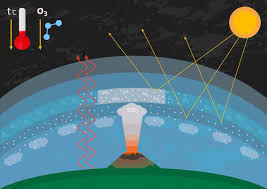
Techniques include spraying reflective particles into the sky and brightening clouds over the ocean. SRM can reduce temperatures quickly, but it doesn’t remove the carbon dioxide that causes climate change.
The second form is Carbon Dioxide Removal (CDR), which removes CO₂ from the air. Examples are Direct Air Capture machines that pull CO₂ from the atmosphere and planting trees that absorb carbon as they grow.
Unlike SRM, CDR targets the root cause of climate change, but it usually works more slowly and requires effort and resources.
The Potential of Geoengineering
The potential of geoengineering is exciting. For example, SRM could quickly reduce temperatures, helping prevent extreme events like collapsing ice sheets or melting permafrost.
This could give African communities time to adapt to climate impacts, protect crops, and manage water resources. Some strategies, like cloud brightening or ocean-based approaches, could even target specific regions that face heatwaves or drought.
Carbon removal also benefits the environment beyond controlling the climate. Planting trees or improving soil can remove carbon and support biodiversity, which is important for agriculture and food security.
Also, combining technology with nature-based solutions could help achieve long-term climate stability.
The Risk of Geoengineering
Geoengineering has serious risks.

Changing sunlight or ocean chemistry could disrupt rainfall and affect agriculture in Africa, where many rely on rain-fed farming.
SRM is a temporary solution because if stopped suddenly, temperatures could spike, causing sudden harm.
There is also the danger that people may rely too much on geoengineering and delay reducing emissions, which is still the main way to fight climate change.
Ethical and political questions are important.
Who decides when and where to use geoengineering?
African countries might have different needs and risks compared to other regions.
Governance, fairness, and international cooperation are crucial to make sure vulnerable communities are not harmed.
Costs and technology are also challenges, as some methods, like direct air capture machines, are expensive and require skilled maintenance.
International scientific bodies like theIPCC are preparing guidance on carbon capture and removal technologies to help countries implement these methods effectively.
Conclusion
Geoengineering might help us control some effects of climate change, but it cannot fix everything. Humans cannot fully "hack" the climate without also reducing pollution and protecting nature.
It is a tool that can help, but we still need to work together, use energy wisely, plant trees, and make smart choices to keep the Earth safe for everyone, including future generations in Africa.