Too African Abroad, Too Foreign at Home: Where Does the Diaspora Belong?
Many Africans abroad feel at home nowhere. The delicate tension of identity, belonging, and the diaspora experience shapes life in Africa and beyond.
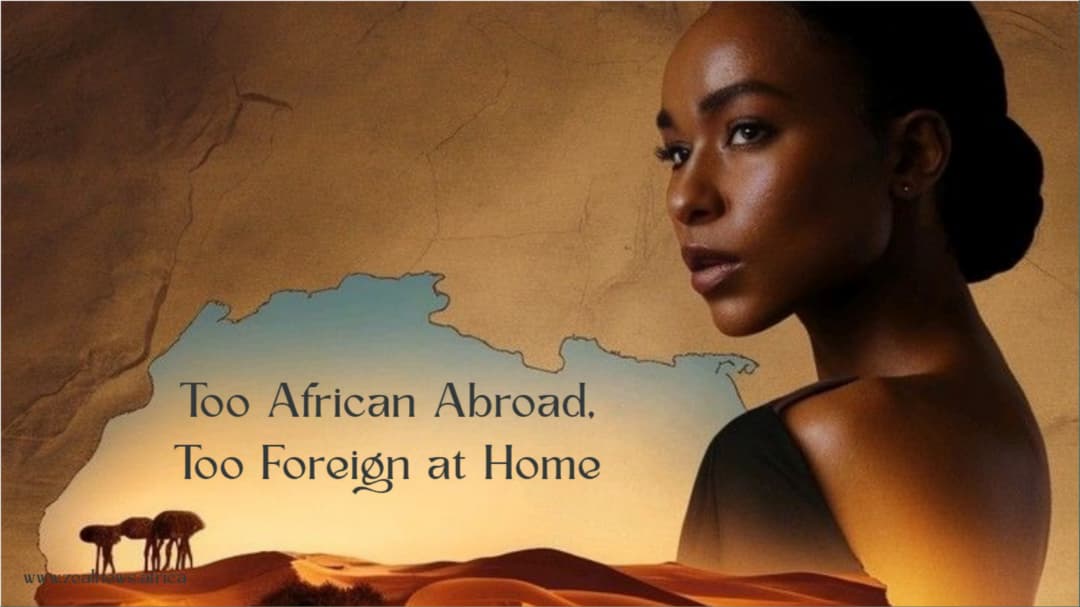
Airports are often places of reunion.
Hugs, laughter, and the relief of finally arriving home after a long journey.
Yet for many Africans who have spent years abroad, the moment of return can also bring an unexpected feeling. Somewhere between the greetings and familiar faces, a soft realization emerges: things feel different.
Now what I mean is… Imagine the taxi driver hears the way certain words are pronounced and immediately asks, “You’re coming from abroad, right?” At first it feels like a harmless observation.
But over time, it reveals something deeper.
In the countries they left, they were constantly reminded that they were African. Now that they have returned, they are sometimes treated like foreigners.
It is a strange space to occupy, belonging fully to neither place.
Too African Abroad
For many Africans living abroad, identity becomes something that is constantly explained. Questions about where they are “really from” are common. Conversations about Africa often come with assumptions, stereotypes, or curiosity that turns personal identity into a cultural lesson.
Even those born and raised outside the continent may find themselves introduced simply as African first.
Their nationality might say British, American, or Canadian, but the way they are seen often emphasizes ancestry before citizenship.
This constant reminder shapes how many people in the diaspora understand themselves. Cultural traditions become something to hold onto more tightly.
Food, language, music, and family customs become small anchors of familiarity in environments where difference is always visible.
Communities form around this shared experience. African restaurants, cultural festivals, and diaspora gatherings become spaces where identity does not need explanation.
In these moments, being African becomes something proudly claimed. It is a way of staying connected to roots even when living far from them.
Foreign in the Land Called “Home”
Diaspora Connect
Stay Connected to Home
From Lagos to London, Accra to Atlanta - We Cover It All.
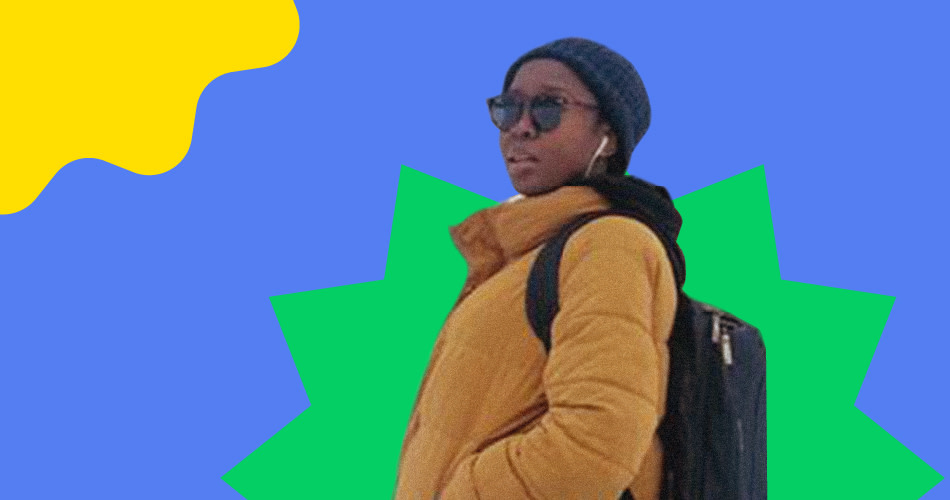
Yet returning home can introduce a different kind of distance.
Someone who has spent years abroad may notice that everyday interactions feel slightly altered.
The accent has changed, certain habits no longer match local expectations. Even clothing styles or mannerisms can draw attention.
Friends may joke about it and family members might laugh and say someone has become “the one from abroad.” In many cases the teasing is affectionate, but it still signals a subtle shift in identity.

Practical situations sometimes reinforce the feeling.
A market seller might raise prices after noticing a foreign accent and assume they understand little about local realities.
None of these moments are necessarily hostile. Still, together they can create the feeling of standing slightly outside a place that once felt unquestionably familiar.
Home remains home. Yet it can also feel like a place that has moved on without waiting.
A Generation Between Two Worlds
For second-generation Africans, the experience can be even more complex.
Many grow up hearing stories about the countries their parents left behind.
They learn traditions at home, eat familiar dishes, and celebrate cultural holidays. Africa becomes part of their identity long before they ever visit.
But when they eventually travel to the continent, they may discover that cultural belonging is not always automatic.
They might struggle with local languages that their parents speak fluently and certain customs may feel unfamiliar despite years of hearing about them.
Questions such as “Why don’t you speak the language?” or “Have you never been here before?” can highlight the distance between inherited identity and lived experience.
Diaspora Connect
Stay Connected to Home
From Lagos to London, Accra to Atlanta - We Cover It All.
Yet abroad, they are rarely seen simply as locals either. Their African heritage remains visible in ways that continue to shape how others perceive them.
For many in this generation, identity becomes something layered rather than fixed.
They carry pieces of multiple cultures, none of which fully cancel the others.
The Idea of Returning Home
Migration often carries a romantic idea of return. The belief that one day, after years away, home will still be waiting exactly as it was.
People change over time, places change too.
Someone returning after ten or fifteen years may find that the country they remember exists partly in memory.
Yet the connection to home rarely disappears.
Distance, it turns out, does not erase belonging. It simply transforms it.
Belonging Beyond Geography

And maybe the real challenge lies in the assumption that identity must fit neatly into one place.
For many in the diaspora, belonging is no longer tied to a single location. A person may carry memories of one country while building a life in another, feeling connected to both in different ways.
The question of where the diaspora belongs may not have a simple answer.
But it reveals something important about the modern world.
Identity today travels. It evolves with movement, memory, and time.
And for thousands of Africans living between continents, belonging may not be about choosing one home over another.
Diaspora Connect
Stay Connected to Home
From Lagos to London, Accra to Atlanta - We Cover It All.
It may be about learning to live comfortably between both.