The Imitation of Black Beauty: Lip Fillers, Fake Tans, and the White Reinvention of Aesthetics
The rise of lip fillers, spray tans, and curvy body ideals exposes a troubling contradiction—Black women’s natural features once mocked and stigmatized are now celebrated, commodified, and profited from when adopted by white women, reflecting the deep roots of cultural appropriation in beauty culture.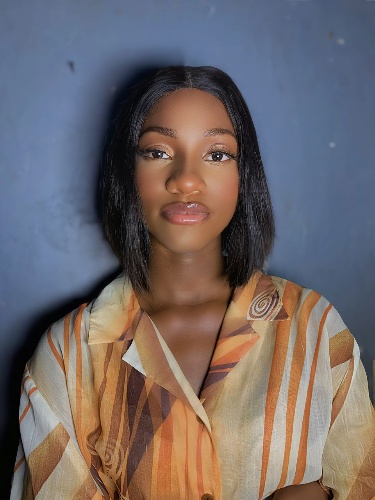
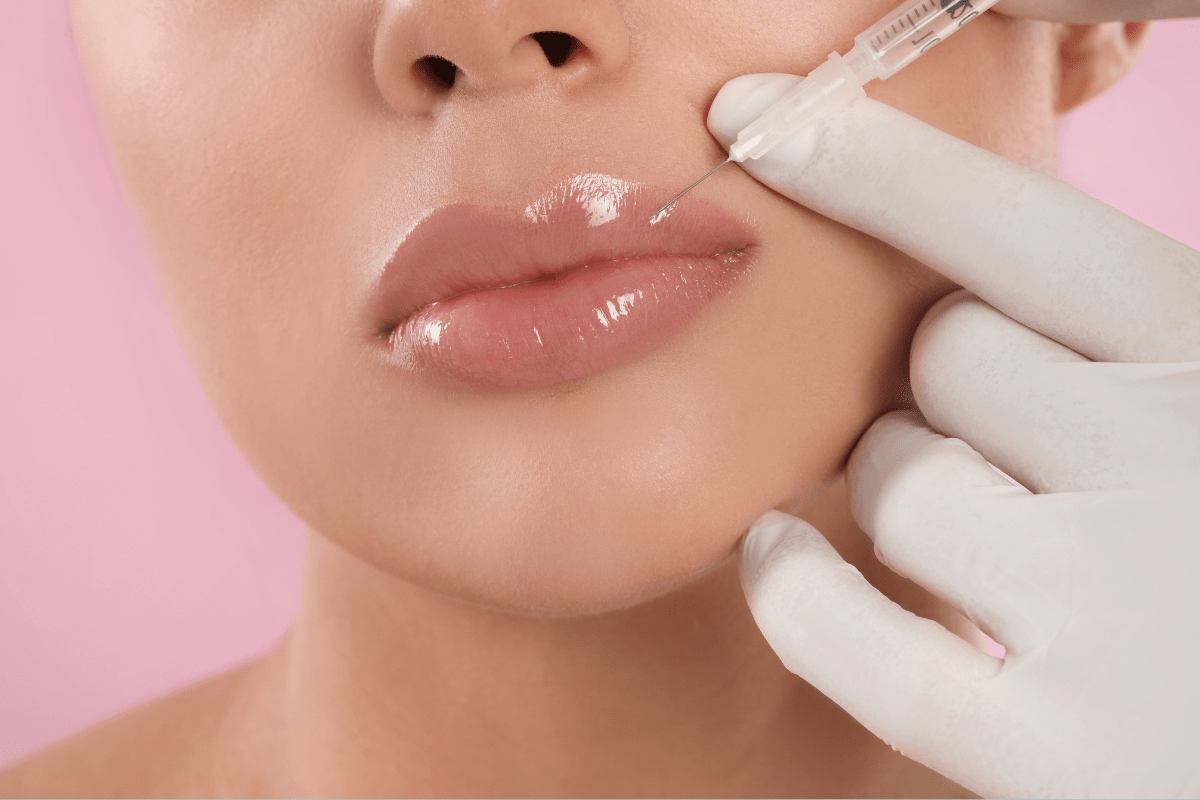
Open a fashion magazine or scroll through Instagram, and a familiar pattern leaps out: pouty, plumped lips, complexion shades darker with bronzy undertone, and curves that fit neatly into the hourglass or maybe pear ideal.
Celebrities pose with lips plumped by fillers and lip plummers, influencers broadcast their glow after multiple spray-tan sessions, and fashion houses romanticize hips and thighs once dismissed as “excessive.” This glossy picture of beauty is marketed as new, fresh, and “the goal”.
Yet, beneath these filters and bright lights lies a shocking contradiction: the very features once mocked, and stigmatized when found on Black women are suddenly admired when adopted by white women.
The rise of lip fillers and spray tans represents a deeper cultural shift, one that reveals how beauty standards are constantly rewritten in ways that benefit whiteness and eurocentricism.
What was once weaponized as a reason to exclude and demean Black women is now rebranded as fashionable, profitable, and desirable when worn by others. It is not simply about fuller lips or darker skin tones, it is about the selective celebration of Black aesthetics, detached from the Black bodies they come from.
In this sense, the popularity of these trends is less an innocent expression of changing tastes and more a mirror reflecting the long history of appropriation embedded in beauty culture.
From Ridicule to Reverence
For centuries, Black women’s physical features were branded as undesirable within Western societies. Colonial exploitation cemented this stigma.
One of the most glaring examples is the story of Saartjie Baartman, also known as the “Hottentot Venus,” who was paraded in 19th-century Europe as a spectacle because of her full figure and large buttocks. Instead of being recognized as human, she was reduced to a caricature, to an exaggerated symbol of racial difference and sexual deviance.
The same disdain seeped into everyday life. Full lips were branded “too big,” dark skin was labeled as “dirty” or “unrefined,” and curvier bodies were often shamed as “unhealthy” compared to the slender white feminine ideal.
Media stereotypes reinforced these ideas, portraying Black women as hypersexual, loud, and unfeminine. These narratives worked not just to denigrate Black women but to elevate white womanhood as the singular standard of beauty.
The Cosmetic Turn
Fast forward to the 21st century, and the beauty industry tells a different story. Lip fillers have become one of the most in-demand procedures, with clinics across the U.S. and Europe reporting surges among women in their teens and twenties.
Culture
Read Between the Lines of African Society
Your Gateway to Africa's Untold Cultural Narratives.
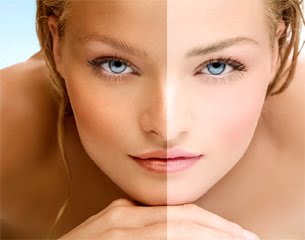
Spray tanning is now a multi-billion-dollar global industry. At the same time, surgical procedures like Brazilian butt lifts (BBLs) and hip augmentations are marketed as “body goals.”
What is striking is that these are not random trends but a direct borrowing from features naturally present in many Black women. Suddenly, the “full-lipped look” is branded as sultry. The “bronzed goddess glow” is marketed as healthy and exotic.
Curves that were once ridiculed are now considered the body goals. The shift reveals the double standard that exists and has been reinforced.
It happens that when Black women embody these traits, they are stigmatized, but when white women artificially enhance themselves to resemble these traits, they are celebrated.

Black Features, White Faces
Social media has amplified this contradiction. Influencers with plump lips, thick thighs, and spray tans flood platforms like Instagram and TikTok, often racking up sponsorships and ad revenue. Celebrities, most notably the Kardashian-Jenner family, have built entire empires by capitalizing on Black-inspired aesthetics.
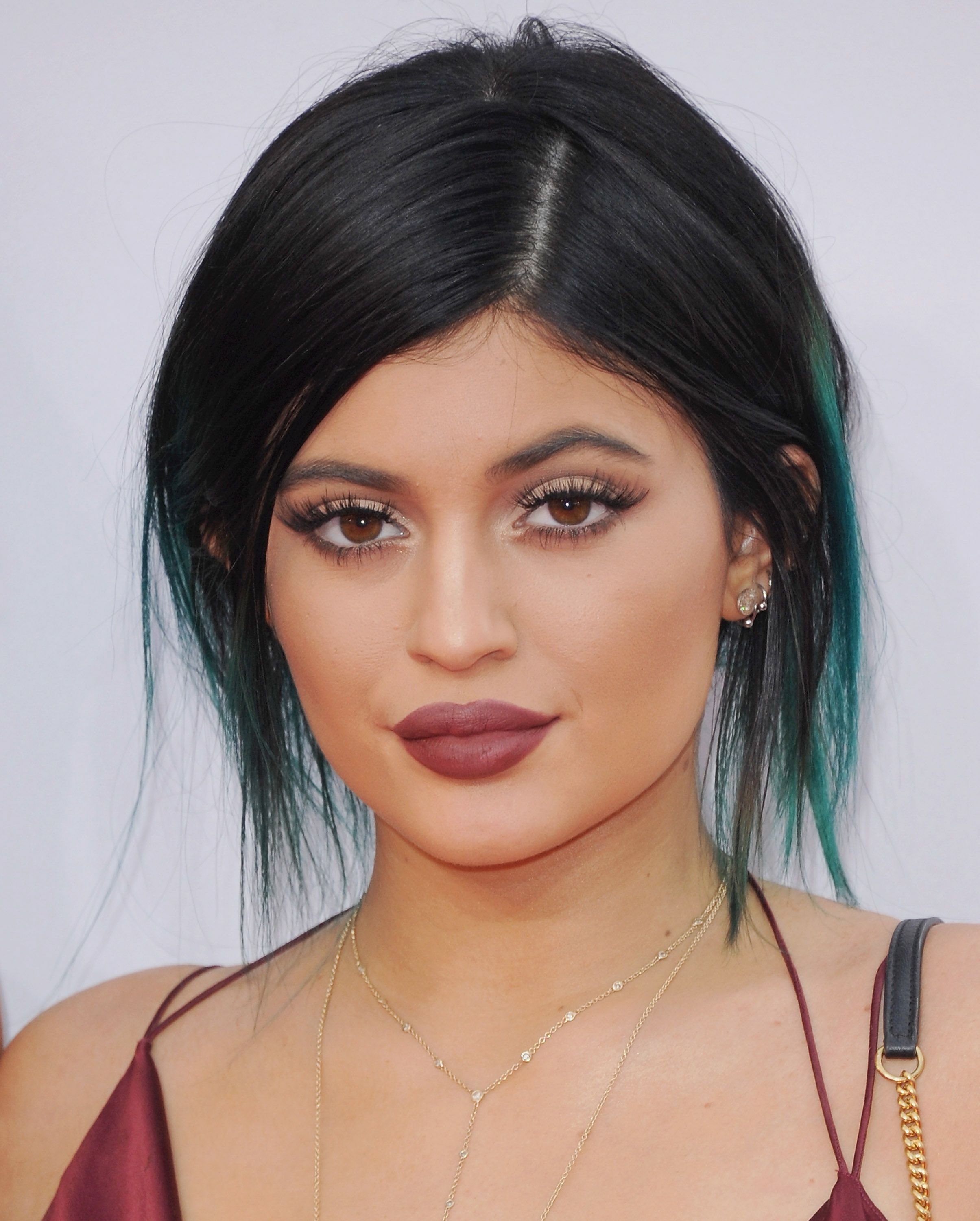
Kylie Jenner’s lips alone became a cultural phenomenon, sparking the infamous “Kylie Lip Challenge” and fueling a boom in cosmetic filler procedures.
Yet, as Black women watch these trends unfold, they are reminded of the harsh reality that the same lips that earn millions of likes on Kylie are called “too big” on them.
The same skin tone praised as “sun-kissed” on white influencers is described as “too dark” on Black women in job interviews or school dress codes. The aesthetic is embraced, but the people who originate it are erased.
The Politics of Appropriation
At its core, this is not just about beauty but about appropriation. Appropriation occurs when cultural elements are borrowed without acknowledgment, often stripped of their context and commodified for profit.
In the case of lip fillers and spray tans, the features of Black womanhood are being mined, repackaged, and sold to a mainstream audience.
The economic implications are telling. White influencers and celebrities monetize their enhanced appearances through sponsorships, brand deals, and product launches. Meanwhile, Black women who naturally have these features frequently face discrimination, microaggressions, and even policies against their appearance in professional spaces. The irony is that Blackness becomes profitable only when detached from Black people.
Culture
Read Between the Lines of African Society
Your Gateway to Africa's Untold Cultural Narratives.
The Cost for Black Women
The consequences extend beyond economics. There is a psychological toll that comes with seeing one’s identity endlessly repurposed but rarely respected. Many Black women are left feeling invisible, their natural beauty both hyper-criticized and simultaneously imitated.
Double standards fuel this tension. When a Black woman wears hoop earrings and flaunts curves, she risks being labeled “ghetto” or “unprofessional.” When a white woman does the same, it’s “chic” or “bold.”
This policing of beauty reinforces systemic inequities, where whiteness retains the power to dictate what is fashionable and what is unacceptable.
Towards Recognition and Respect
Breaking this cycle requires more than calling out hypocrisy. It demands recognition and structural change.
Beauty industries must acknowledge their reliance on Black aesthetics and shift toward inclusivity that doesn’t commodify but genuinely celebrates Black women. Representation in advertising, ownership in beauty brands, and fair acknowledgment of cultural contributions are necessary steps.
More importantly, society must move past equating beauty with whiteness while borrowing from Blackness. True appreciation of Black beauty means valuing it in its natural form, not just when diluted or enhanced to fit Eurocentric frameworks.
Conclusion
The popularity of lip fillers and spray tans reflects more than a superficial obsession with trends. It reveals the uncomfortable truth about how whiteness has historically stolen, commodified, and profited from Black culture.
The lips, skin, and curves once mocked are now fetishized but only when detached from the women to whom they naturally belong.
Until Black women are celebrated for their beauty without conditions, the imitation of Black aesthetics by white women will remain less about admiration and more about erasure. Beauty, after all, should not come at the cost of invisibility. True beauty lies not in imitation but in recognition, respect, and liberation.
Culture
Read Between the Lines of African Society
Your Gateway to Africa's Untold Cultural Narratives.