The Aesthetics of Y2K as the Height of Futuristic Fashion, Not Just a Past Trend
An in-depth cultural commentary on Y2K fashion, exploring how the 90s style of clothing continues to shape Gen Z style, digital identity, and modern fashion aesthetics.
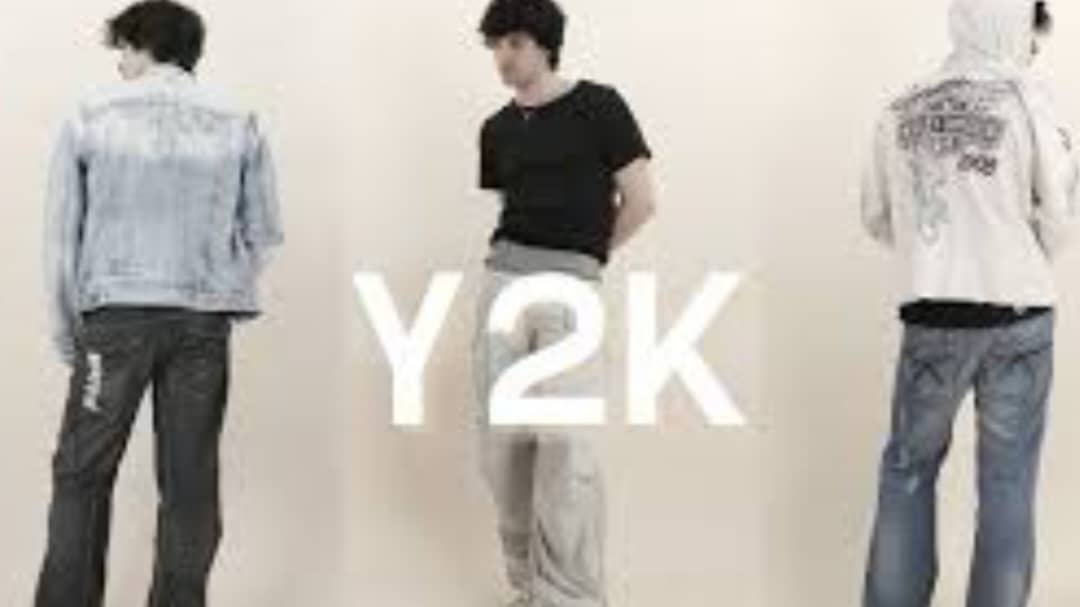
Y2K fashion wasn’t just a trend in the 90s, na wetin go make dem call you big boy or big girl then, because if you nor get am ehh, you nor know the reigning thing. It wasn't just about dressing, na the way to take announce yourself. So if you have no idea what Y2K fashion means, grab your popcorn or if na eba you get, grab am too. All na grabbing. Sit down and read this to collect the whole gist.
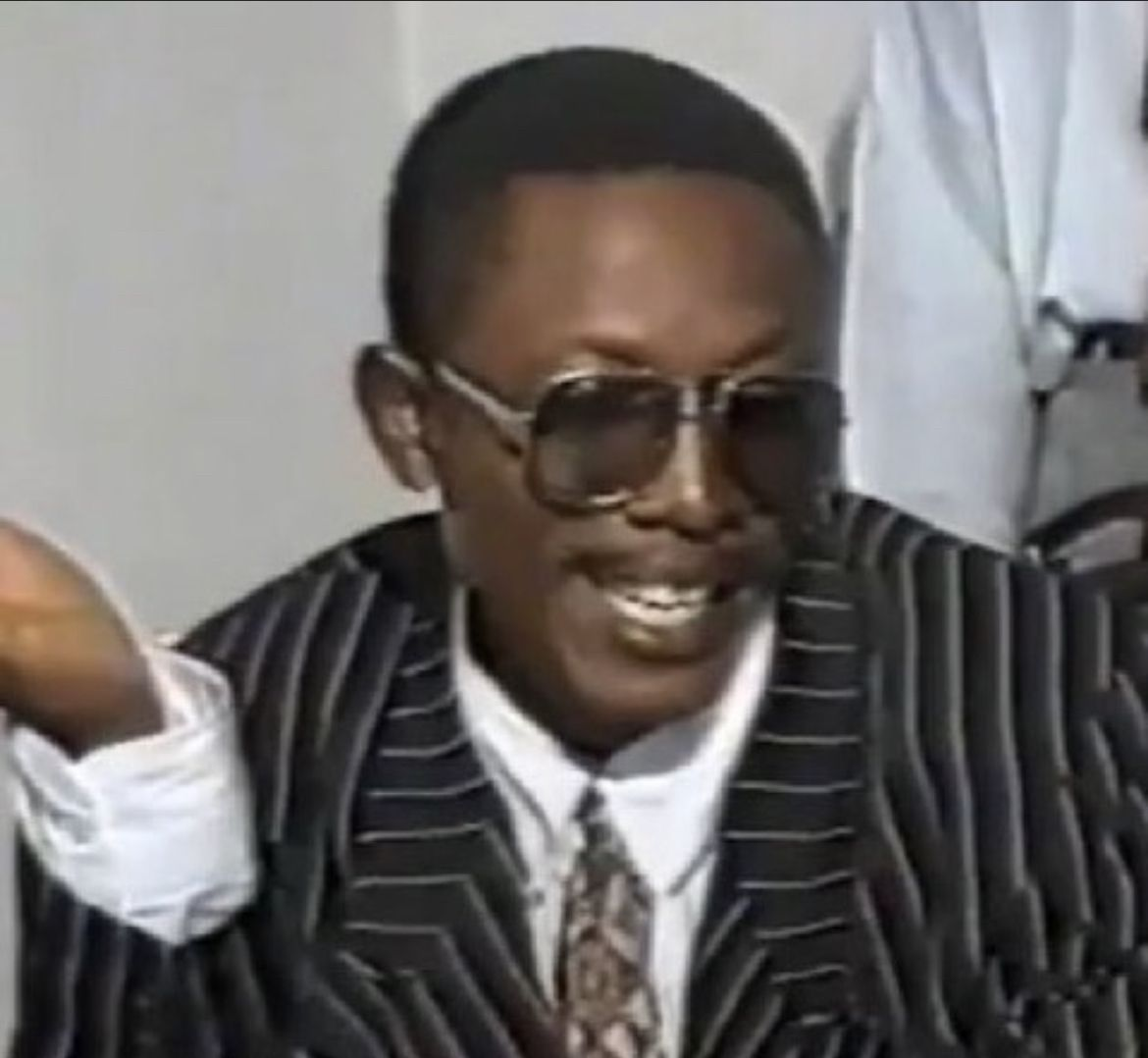
At the edge of the 90s or probably a time earlier before then, emerged Y2K fashion, an aesthetic that did not simply follow trends but attempted to dress for both the present and a future that felt dangerously close. It was loud, experimental, and unapologetically optimistic. Everybody just wanted to be part of the fashion fulfillment that came with Y2K, even if na you, peer pressure hold you to join too. Looking back now, Y2K fashion feels less like a style era and more like a collective imagination of what tomorrow was supposed to look like. And somehow, it is still shaping the fashion industry and how we dress today.
When the Future Felt Close Enough to Touch
In the late 1990s, Y2K was more than just dressing; it was a cultural mood and a sense of belonging. If it didn't dey, it didn't dey. You no fit see am for market. The term “Y2K” became shorthand for everything futuristic and classy. Fashion absorbed this mood completely. Designers, pop stars, actors, and everyday consumers dressed as though the future had already arrived, even if the technology itself was still catching up.
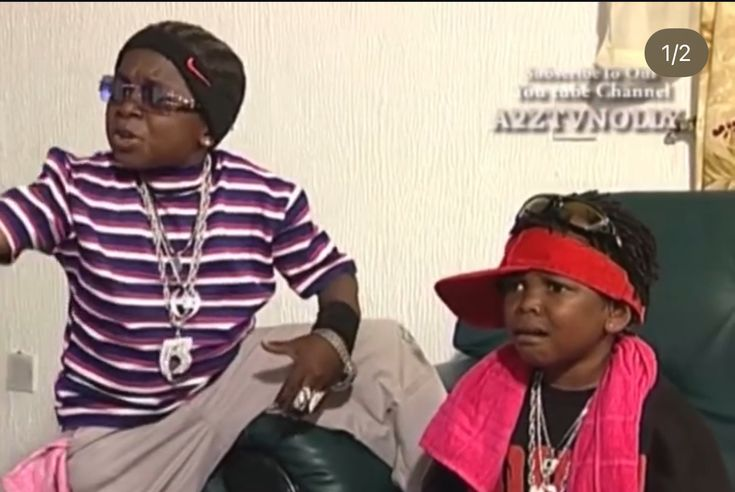
Shiny metallic fabrics, vinyl trousers, low-rise silhouettes, micro bags, cyber sunglasses, and platform shoes dominated wardrobes. Clothing created looks that felt halfway between a nightclub and gangster vibes. E be like say everybody dey audition for a futuristic movie, and nobody wan be background character.
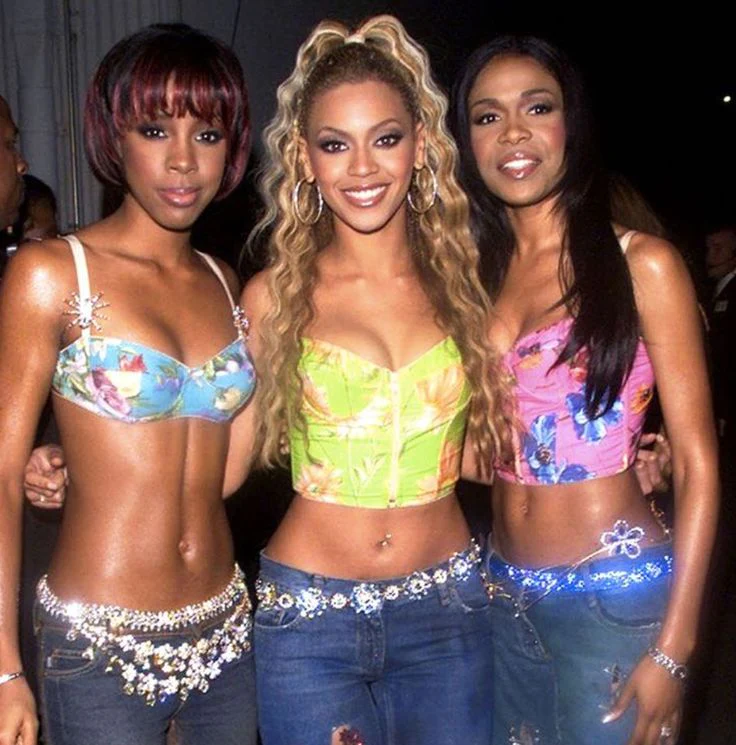
This aesthetic was fueled by the need to fully express oneself and being part of a growing trend. Clothes became more playful, less restrained by traditional rules. The body was treated as a canvas for experimentation, and dressing boldly felt like participating in a global moment of transformation.
Pop icons and futuristic runway designers turned Y2K into a visual language that crossed borders. It was aspirational yet accessible, glamorous yet playful, and deeply rooted in the belief that the future would be brighter, faster, and more exciting than the past. You fit talk say na past now, but Y2K fashion was never just a season. It was a mindset.
Fashion Anxiety and the Psychology of Dressing for Tomorrow
The Y2K fashion then was a response to uncertainty. Young people then moved with serious fashion confidence, almost like dressing was armour. Fashion became more than aesthetics; it was a coping mechanism. It allowed people to wear their hopes and anxieties on their bodies. Dressing futuristic was a way of asserting control over an unknown tomorrow, a way of saying, “I ready, bring am come.”
Also Y2K aesthetics reflected a world becoming more global and more exposed to new realities. Satellite television, international pop culture, and early online communities blurred cultural boundaries. Trends traveled faster than ever before, and fashion began to feel less local and more global.
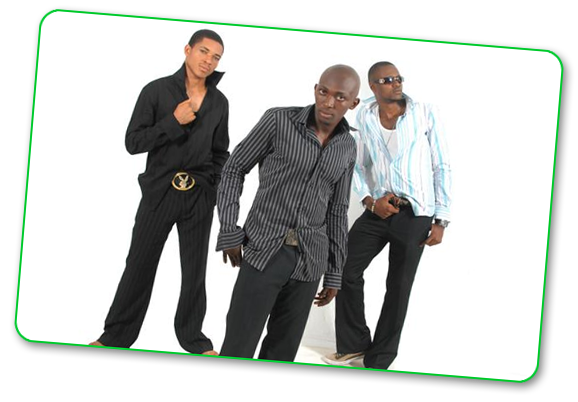
This helped Y2K blur class lines in subtle ways. While luxury designers set the tone, fast fashion and streetwear quickly replicated the look. Teenagers and young adults across different economic backgrounds could participate in the same visual culture. It was a way of saying Everybody fit shine small, even if na borrowed shine.
At the same time, the aesthetic protected inequalities. Various body standards had something that would fit them . Low-rise jeans and cropped tops celebrated an idea of beauty, so not so many people were excluded from the fashion which claimed to be futuristic and free, because if we are truly honest in our today's world of fashion, some of the “vibes and trends” we call fashion today are classism in disguise.
Y2K fashion was obsessed with synthetic-looking materials, shiny textures, and artificial finishes. These fabrics felt engineered rather than natural, signaling a break from tradition. In hindsight, this was fashion anticipating a world that would later arrive: digital, curated, and increasingly detached from physical reality.
A Past That May Be Forgotten, But Still Lingers
The irony of Y2K fashion is that many people now dismiss it as outdated, as something that should remain buried in the past. But that thinking ignores the fact that much of today’s fashion evolved directly from it. Minimalism, maximalism, realism, and over-dressing all found early expressions in Y2K.
The optimism of the era may seem naïve now, but it captured a moment when the future still felt exciting rather than exhausting. This raises an important question: is Y2K something to bring back fully, something to reinterpret, or something to let go?

The aesthetic itself is easy to replicate, but the original energy was rooted in collective anticipation, not algorithm-driven trend cycles. The challenge today is not recreating the look, but reviving the spirit of curiosity and experimentation that defined it. Because not to lie, copy and paste no be culture.
Gen Z and the Rewriting of Y2K
Whether Gen Z and Y2K truly agree or not is still up for debate. Gen Z get their own shakara wen it comes to dressing, and with the dominance of designer brands and digital flexing, nobody can say for sure how far the revival can go or if there is any revival to be bothered about. But make we no lie, Y2K is still giving even though it is outdated.
For Gen Z, embracing Y2K aesthetics should not just be about lived memory that needs to be curated and it is more about nostalgia. It touches something deeper, especially for older generations who experienced the era firsthand. Back then, Y2K fashion was not filtered through social media, personal branding, or online performance. Outfits were worn for self-expression, not just visibility. the energy gann it was giving
Today, fashion often feels like content. Dressing is no longer just about clothes; it is about angles, lighting, validations, compliments and algorithms. The futuristic vibe has shifted from imagining tomorrow to performing identity in the present.
Conversations around sustainability, body inclusivity, and cultural appropriation now shape how Y2K is reimagined. While the original era had its flaws, it represented a time when people dressed with boldness and confidence. From the Global North to the Global South, Y2K fashion was felt widely. And that raises another question: what still connects the world today, aside from technology that both stimulates and isolates us?
Access to trends then was not as heavily shaped by algorithms or online visibility. Today, the internet has democratized exposure, but inequality still determines who gets celebrated, sponsored, or seen. Still, Y2K’s refusal to be subtle remains its greatest strength. In an era obsessed with quiet luxury and neutral tones, it reminds us that style can be playful, excessive, and imaginative.
In the end, Y2K fashion is not just about clothes. It is about how societies imagine the future, and how those imaginations are worn, shared, and remembered. Its return today speaks less to a desire to live in the past and more to a longing for a future that feels exciting again. In revisiting Y2K, fashion might not be repeating itself. Instead, it forces us to ask an old question in a new era: what does tomorrow look like, and who gets to dress for it? Because make we no lie, everybody wan belong and na human nature.
Thank you, for reading with your popcorn or eba wey dey your hand.