That Scratch on Your Non Stick Pan Could Be Adding Thousands of Plastic Particles to Your Food
Most people keep using scratched non stick pans without thinking twice. A study suggests that habit could be exposing food to thousands of microscopic plastic particles.
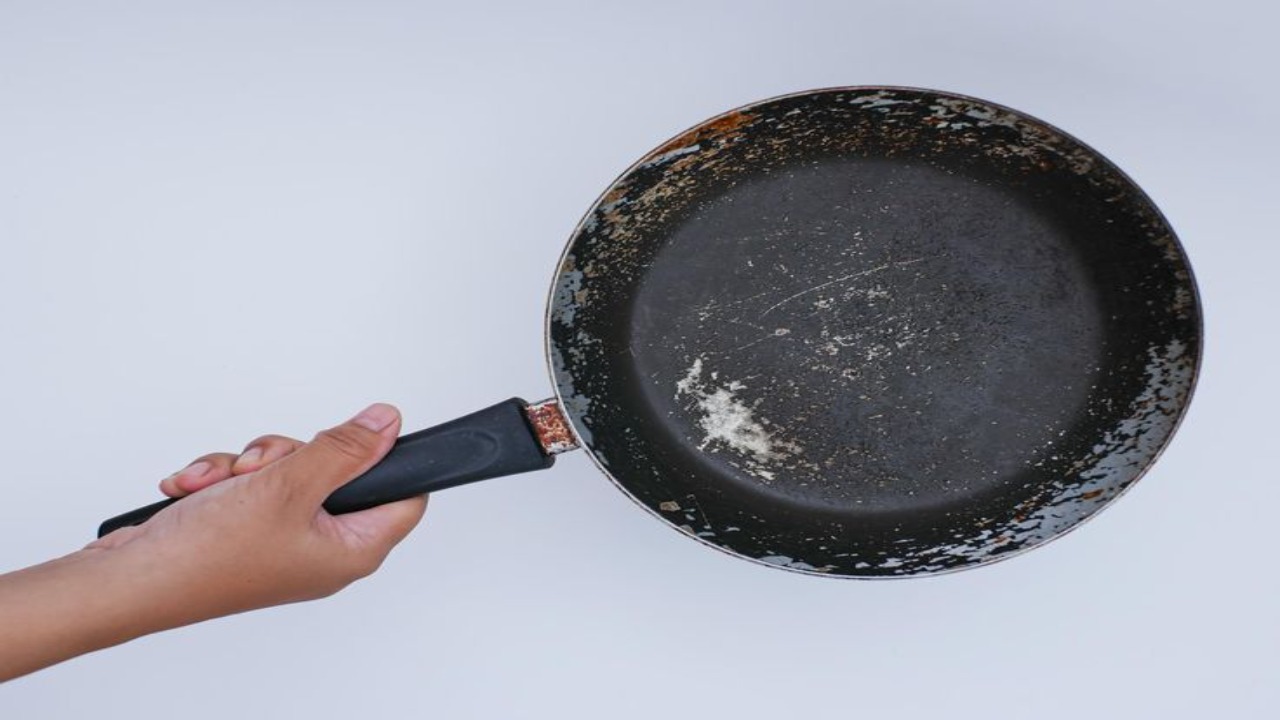
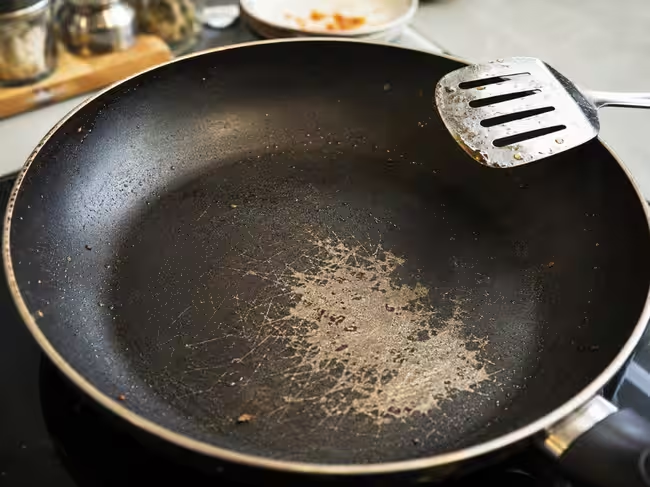
A scratched non stick pan doesn't just look worn out. According to researchers in Australia, even a single crack in its coating can release around 9,100 microscopic plastic particles into food during normal cooking.
For many people, a few scratches don't seem like a reason to replace a favourite pan. If it still cooks eggs without sticking, it feels wasteful to throw it away. But a 2022 study published in Science of the Total Environment suggests those marks deserve more attention than they usually get.
Researchers from Flinders University and the University of Newcastle examined what happens when the coating on non stick cookware begins to wear down. Their findings point to a hidden source of plastic exposure that most people never see.
Most non stick cookware is coated with polytetrafluoroethylene (PTFE), better known by the brand name Teflon. PTFE belongs to a broader family of chemicals called PFAS, often referred to as "forever chemicals" because they break down very slowly in the environment.
These chemicals have become the focus of growing scientific and regulatory attention because they are used in thousands of everyday products and can remain in the environment for decades.
What Researchers Actually Found
To see what everyday cooking does to these coatings, the researchers tested six non stick pans. Four were brand new, while two had been used for about two years.
Instead of creating unrealistic laboratory conditions, they recreated the kind of wear that happens in ordinary kitchens by scraping the pans with steel spoons, spatulas, steel wool and a wooden turner.
The team used Raman imaging, a technique that identifies materials using laser light, alongside a scanning electron microscope to analyse the debris left behind. The results were difficult to ignore.
One small scratch released roughly 9,100 plastic particles. A larger damaged section released about 2.3 million particles. Some of the fragments measured less than 100 nanometres, making them about one thousand times thinner than a strand of human hair.
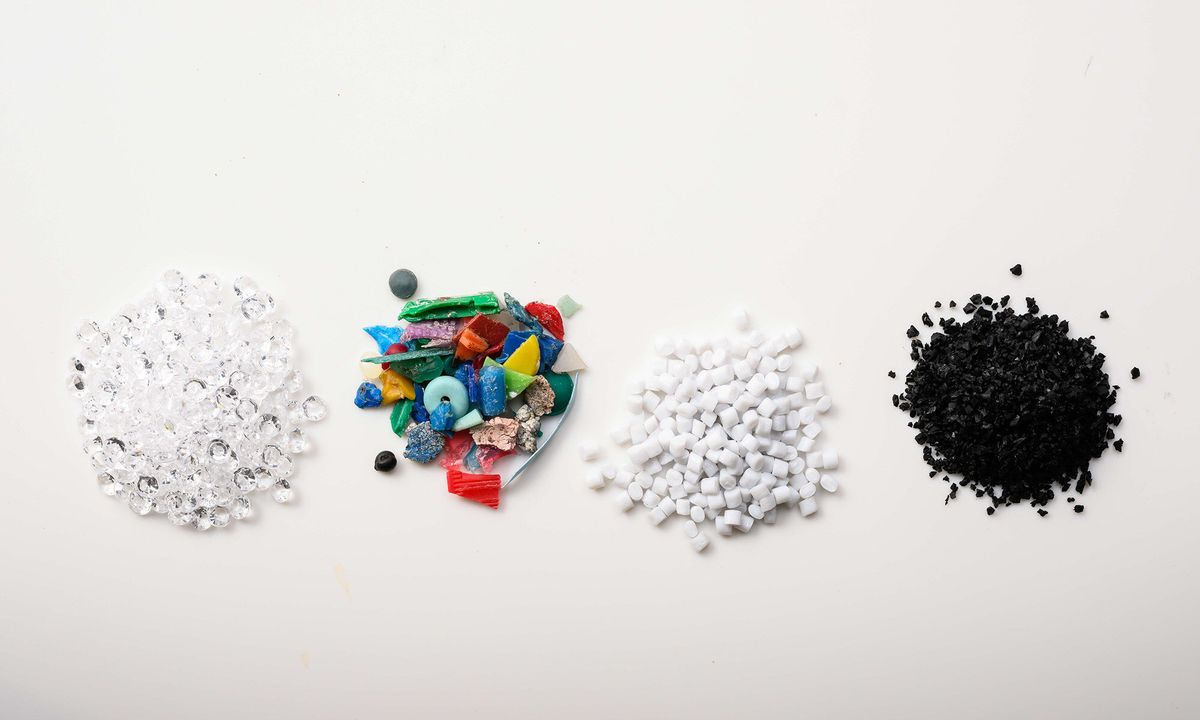
The smallest particles, known as nanoplastics, have become a growing focus for scientists. Their size raises questions about whether they interact with the human body differently from larger pieces of plastic.
Researchers are still trying to answer those questions, and this study did not investigate what happens after people consume the particles.
The researchers confirmed that damaged cookware sheds PTFE particles during normal use. The broader concern comes from PFAS themselves. Separate studies have linked certain PFAS chemicals to reduced fertility, slower growth in children and an increased risk of some cancers.
The U.S. Environmental Protection Agency notes that the risks vary depending on the specific PFAS compound and the level of exposure, so this particular study should not be interpreted as proof that scratched pans cause those health conditions.
Another finding deserves attention. The older pans weren't necessarily safer simply because they had already lost some of their coating.
In several cases, the two year old cookware released as much material as the new pans, and sometimes even more, because years of repeated cooking, cleaning and scraping had already weakened the protective surface.
In other words, a pan that still looks usable at first glance may already be releasing microscopic fragments that cannot be seen with the naked eye.
The Conversation Around Non Stick Cookware
Scratches aren't the only issue worth paying attention to.
PTFE coatings begin to break down when heated above 500°F (260°C), something that can happen if an empty non stick pan is left on a hot burner. The fumes released can cause temporary flu like symptoms in people, a condition known as polymer fume fever.
Symptoms usually include chills, headaches and a sore throat before disappearing within a day or two. They are also highly toxic to pet birds, whose respiratory systems are much more sensitive than those of humans.

Many shoppers assume that buying cookware labelled "PFOA free" solves the problem. The label reflects an important manufacturing change. PFOA, one PFAS chemical previously used in producing Teflon, was phased out by major U.S. manufacturers in 2015.
But that doesn't mean modern non stick cookware is completely free of PFAS. PTFE itself still belongs to that chemical family.
This is one reason PFAS have attracted increasing attention from scientists and regulators around the world. These chemicals have been detected in drinking water, soil, food packaging and many household products.
Governments have tightened regulations around some PFAS compounds because of concerns about long term exposure, although research into many of these chemicals is still ongoing.
None of this means every non stick pan is unsafe or that people should panic. Millions of households use this cookware every day without immediate health problems.
The study simply highlights another source of potential plastic exposure that many consumers have never considered. Like many public health questions, the concern isn't based on one isolated exposure but on repeated contact over long periods from multiple sources.
How to Reduce Wear and When to Replace Your Pan
None of this means you need to empty your kitchen cupboards today.
Use silicone or wooden utensils instead of metal ones, avoid stacking non stick cookware without protection between the pans, and save non stick surfaces for foods that benefit from them, such as eggs or pancakes.
For heavier cooking, stainless steel or cast iron generally holds up better over time.
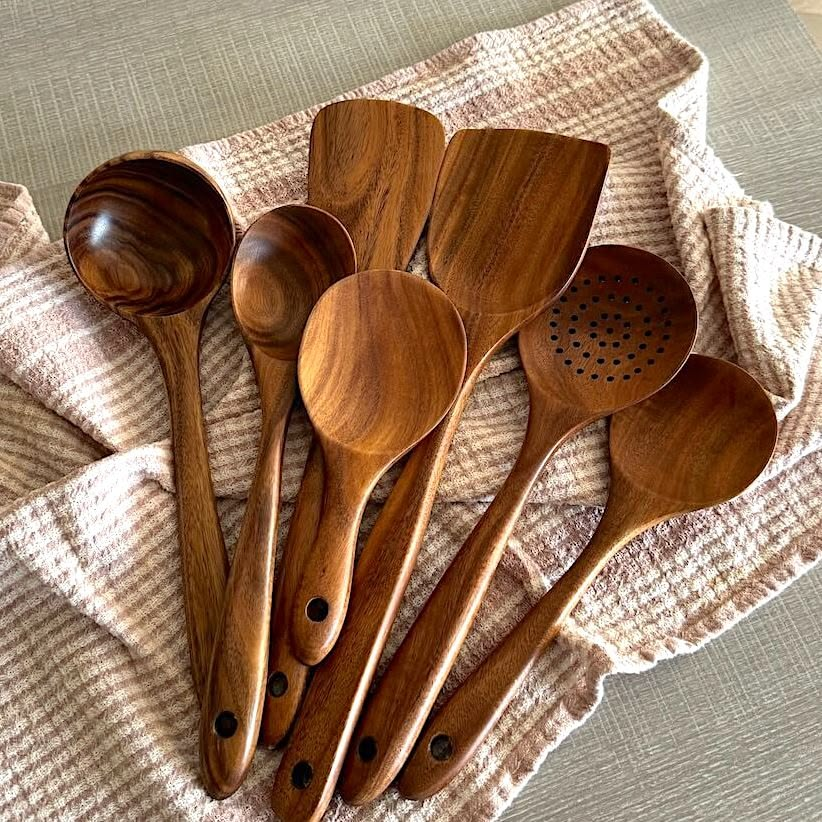
Proper care can also help extend the life of non stick cookware. Washing pans with abrasive scrubbers or exposing them to sudden temperature changes can wear down the coating more quickly.
Using moderate heat instead of maximum burner settings can also reduce stress on the cooking surface. While these habits won't stop coatings from wearing out forever, they can slow the process considerably.
Ceramic coated cookware is often promoted as an alternative because it doesn't use PTFE. It avoids many of the PFAS concerns associated with traditional non stick coatings, but it comes with its own compromise.
Ceramic surfaces usually lose their non stick performance much sooner, often within one or two years of regular use. Once that coating wears away, food begins to stick regardless of how carefully the pan is used.
There's no perfect cookware. Stainless steel is durable but requires more cooking oil and technique. Cast iron lasts for decades but needs regular seasoning and maintenance. Non stick cookware remains unmatched for delicate foods, provided it's used correctly and replaced once the coating begins to fail.
If your favourite pan has deep scratches, peeling patches or a worn surface, replacing it is probably a better decision than trying to squeeze a few more months out of it.
A pan is meant to make cooking easier, not leave you wondering what else might be ending up on your plate.