When Doctors Got It Wrong: The DES Scandal and the Cost of Ignoring Women’s Health
The DES scandal reveals how ignored medical evidence exposed millions to risks and raised questions about women’s health and medical misogyny.
In the 1950s, a pregnant woman who had already lost a baby could leave her doctor’s office with pills she believed would protect the next one. She took them as instructed, sometimes for months.
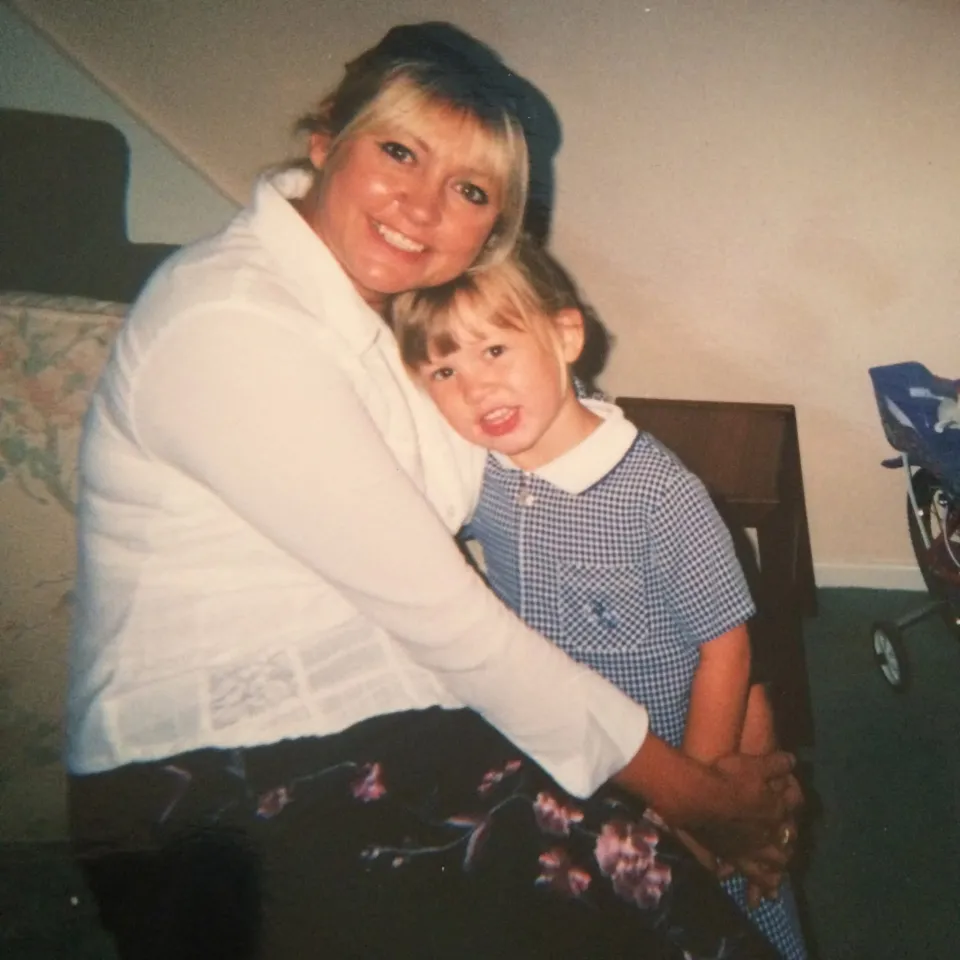
Two decades later, her daughter sat in a clinic as a teenager, diagnosed with a cancer almost never seen in someone so young. None of them knew the two events were connected.
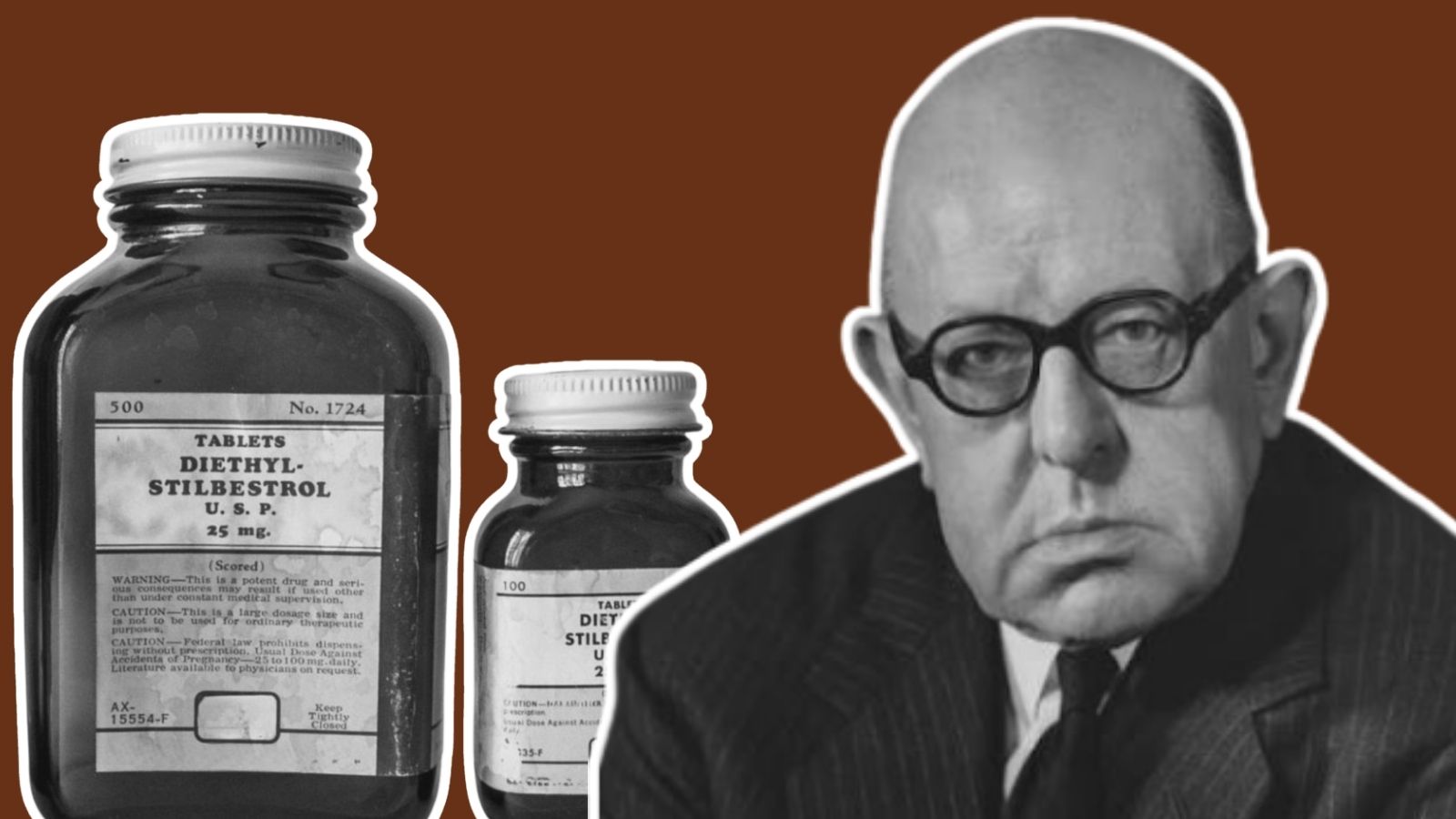
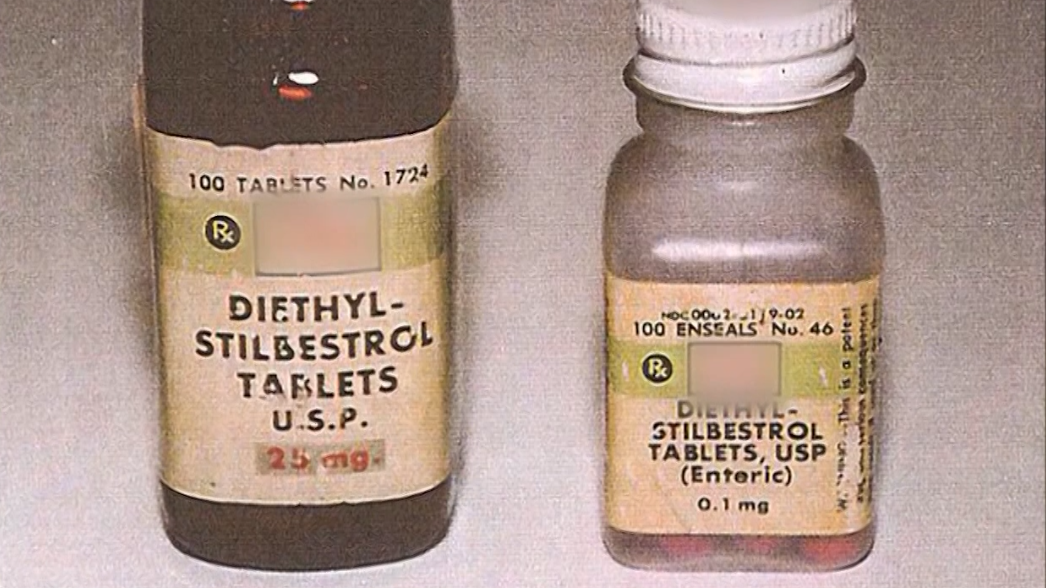
This is the story of diethylstilbestrol, known as DES, a synthetic oestrogen given to millions of pregnant women. In effect, those mothers became subjects of a vast, uncontrolled experiment. They were encouraged to keep taking the drug even after rigorous evidence showed it did not work, and their daughters paid the price.
What Is DES and Why Did Doctors Prescribe It?
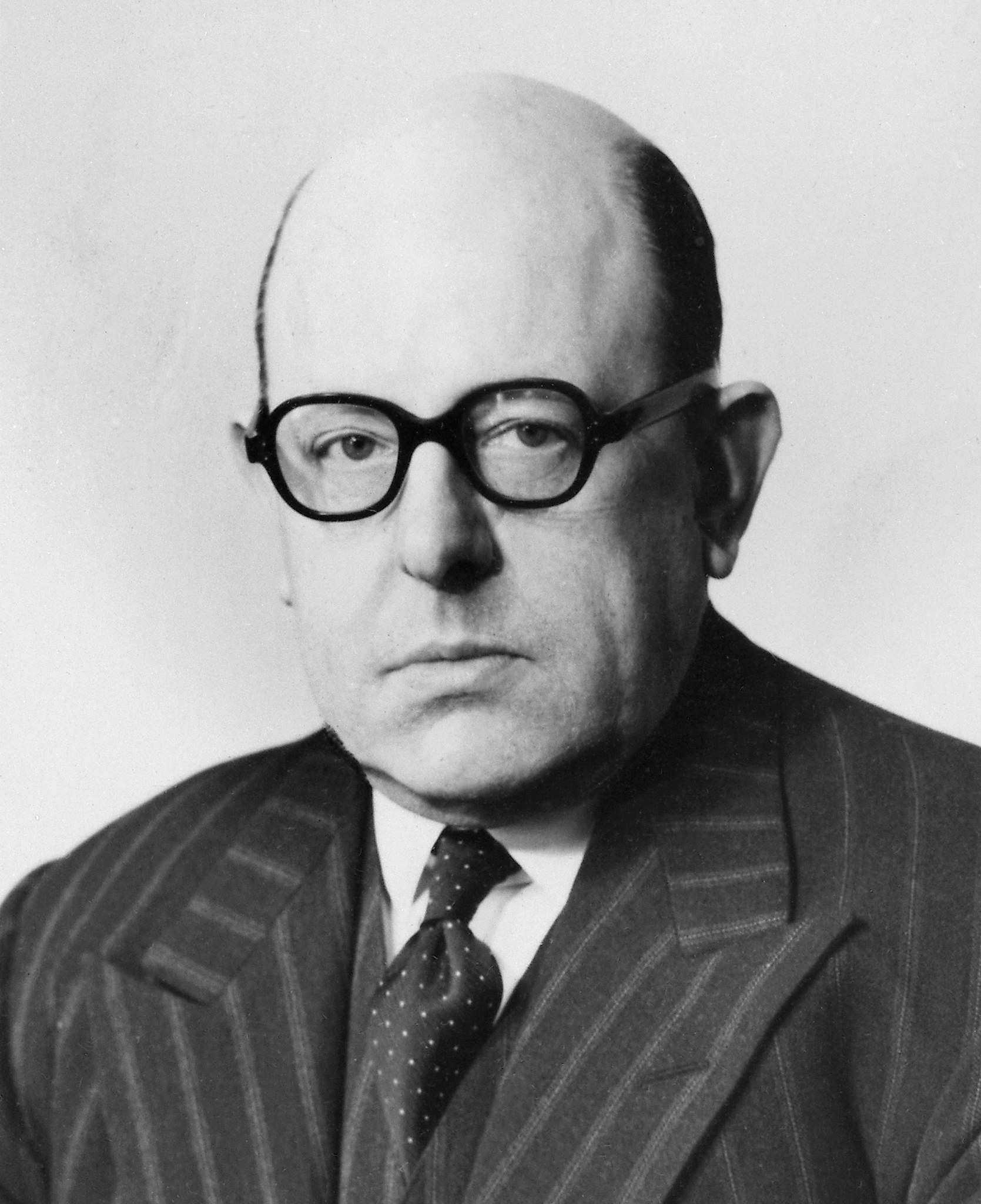
DES is a synthetic form of oestrogen developed in 1938 by British scientist Edward Charles Dodds. It was approved for human use in the United States in 1941, and in 1947, it was approved to prevent miscarriage and other pregnancy complications, including premature labour.
Because it was never patented, many pharmaceutical companies produced it, and it became widely prescribed.
The theory sounded sensible. If hormone deficiency contributed to pregnancy loss, supplementing hormones should help sustain pregnancies.
Early studies reported good results, but they had no adequate control groups. Without a comparison, nobody could say whether those women would have carried to term anyway.
DES also never went through today’s three-phase clinical trial process, because its approval belonged to a different era of drug regulation.
The 1953 Trial That Showed DES Did Not Work
Between 1950 and 1952, researchers at the University of Chicago ran a trial far stronger than anything before it. It used randomisation, a placebo group, and a double-blind design, so neither doctors nor patients knew who received the drug.
The results were published in 1953 and they found that DES did not produce the improvements in pregnancy outcomes its supporters expected.
Other research raised further concerns about miscarriage, premature birth and low birth weight. The question then became uncomfortable. Once better evidence undermined the drug’s effectiveness, why did its use continue?
Why Did Doctors Keep Prescribing DES After the Evidence?
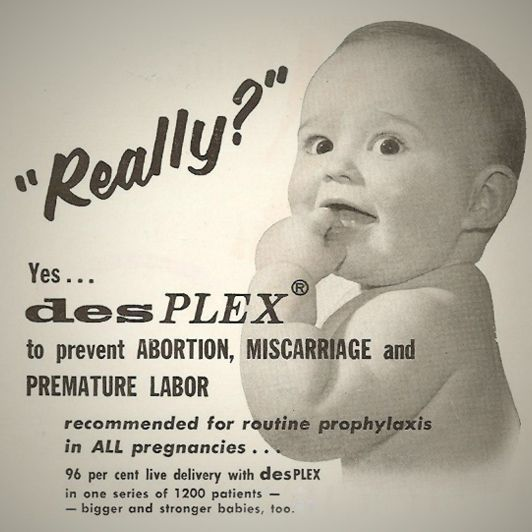
Prescriptions did not stop. Established medical beliefs can survive contradicting evidence, particularly when earlier favourable studies are still remembered. Also there is the case of professional habit, and drug makers continued promotion of the product.
This promotion, especially the positive observational research, is one reason reviewers give for DES staying in use despite negative randomised findings.

The 1971 Discovery: Cancer in the Daughters of DES Mothers
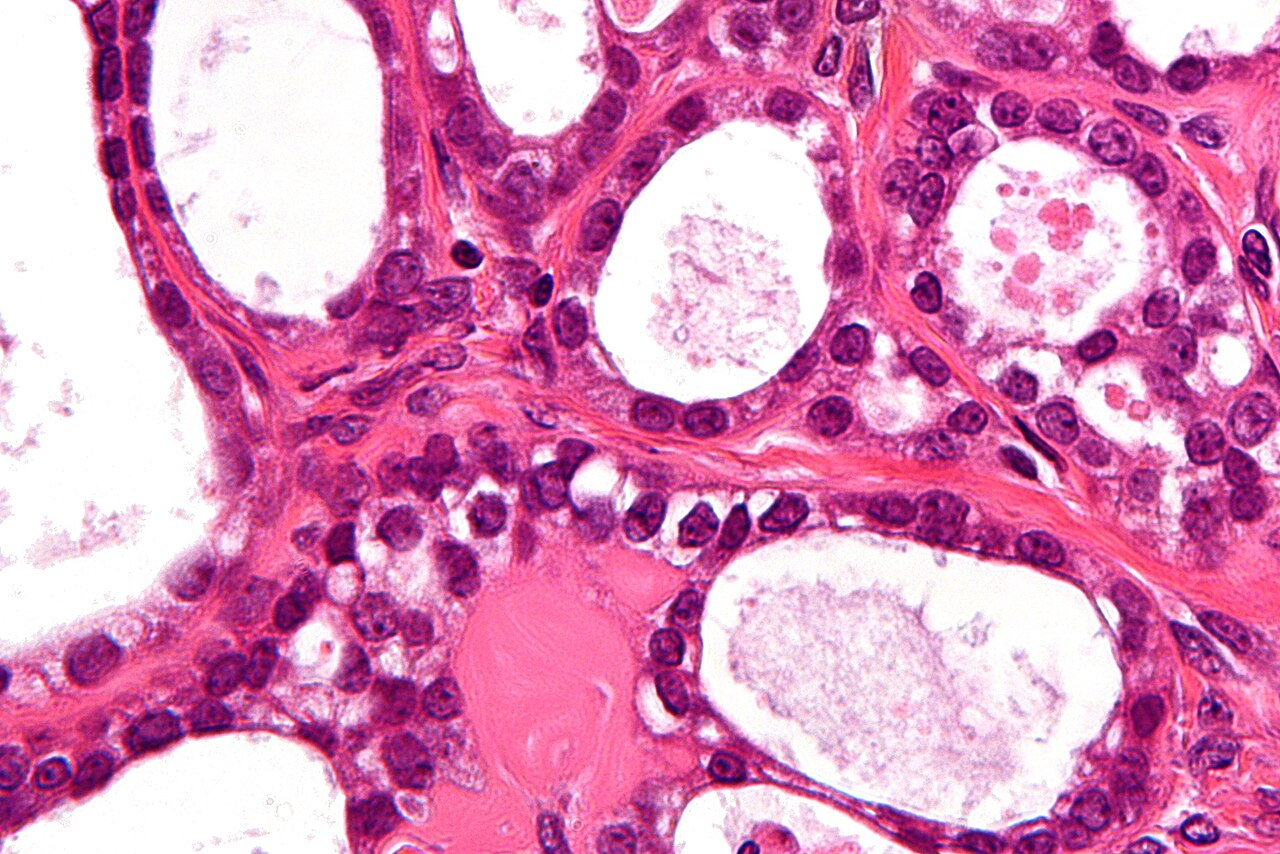
In 1971, doctors in Boston reported cases of clear-cell adenocarcinoma, a rare cancer of the vagina and cervix, in young women.
The patients were in their teens and early twenties, far younger than this cancer was ever expected to appear. When researchers examined the women’s histories, they found that their mothers had taken DES during pregnancy.
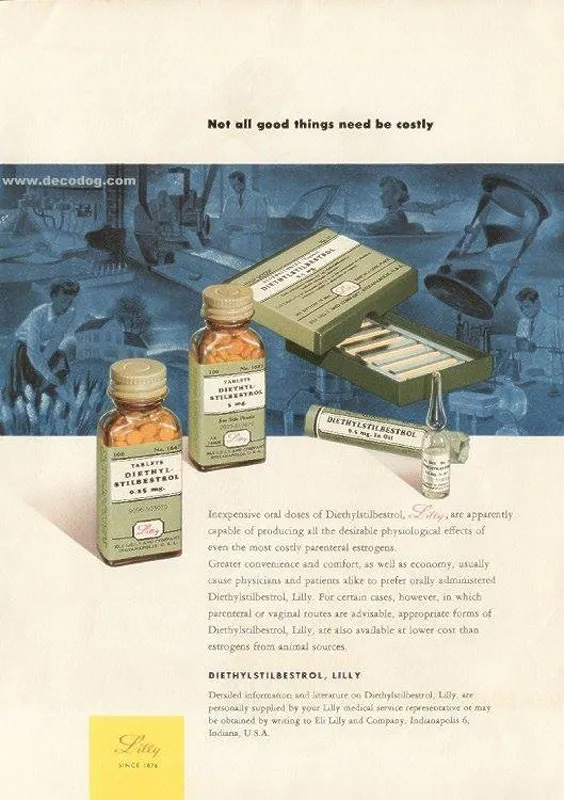
The FDA subsequently advised against prescribing DES to pregnant women, although it continued to be prescribed during pregnancy in some European countries until 1978. An estimated 5 to 10 million people in the United States were exposed, either during pregnancy or before birth.
Not every exposed daughter developed cancer. The cancer remains rare, though prenatal exposure substantially raises the risk. Exposed daughters also face higher risks of reproductive tract abnormalities and pregnancy complications.
Where Does Medical Misogyny Enter the DES Story?
Three questions here would help establish fact and separate it from generalisation.
First, whose health was being protected? The wish to prevent pregnancy loss was often sincere. But a system that lets a plausible theory stand in for strong evidence leaves patients carrying the risk of being wrong.
Second, why was DES not abandoned sooner? Professional authority, commercial promotion, entrenched belief and weak regulation all appear to have played a part, and each deserves scrutiny through documents rather than assumption.
Third, what did patients know? Informed consent was not practised then as it is now. Many women were given little explanation of what they were taking or why, and few were positioned to question a doctor’s prescription. Not every patient was uninformed, however, and patient testimony and medical records are the right place to look.
Medical misogyny can operate through institutional habits and assumptions, not just through deliberate prejudice.
What the DES Scandal Taught Medicine
DES changed how doctors understand prenatal drug exposure. It showed that harm can surface decades later, in a different generation.
It underlined the need to monitor patients long after a medicine is prescribed, to let negative trial results change practice, and to value transparent communication, informed consent and independent research.
A long-running DES Follow-up Study continues to examine health outcomes among exposed people.
The Cost of Being Told to Trust Medicine
The daughters whose diagnoses exposed the connection to their mothers’ pregnancies did not set out to make medical history. They were young women who got sick.
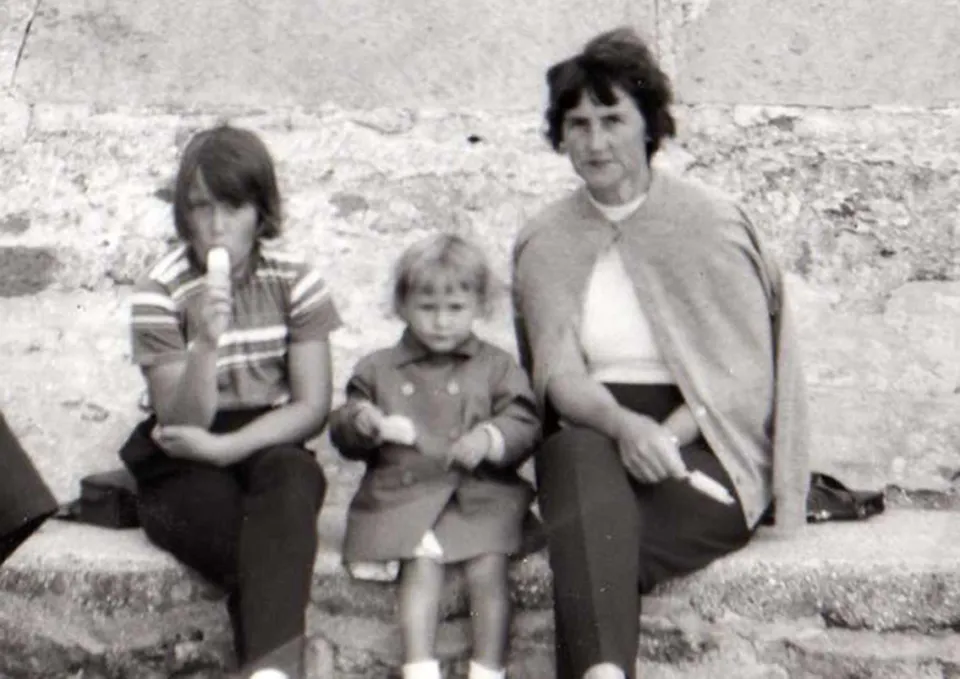
What trust in medicine should mean when doctors can make mistakes, evidence can be ignored and consequences can take decades to emerge is a question the DES scandal leaves open.
Good intentions are not a substitute for good evidence. Protecting patients means testing whether a treatment works, taking warnings seriously and changing course when the evidence demands it.