Telecel Zimbabwe Is Up for Sale With $240 Million in Debt. Is This What Happens When Politics Runs a Telecom?
Telecel Zimbabwe is up for sale with over $240 million in debt, a collapsing subscriber base, and a network that has fallen years behind rivals. Here is how it got here and what its failure would mean for Zimbabwe's telecom market.
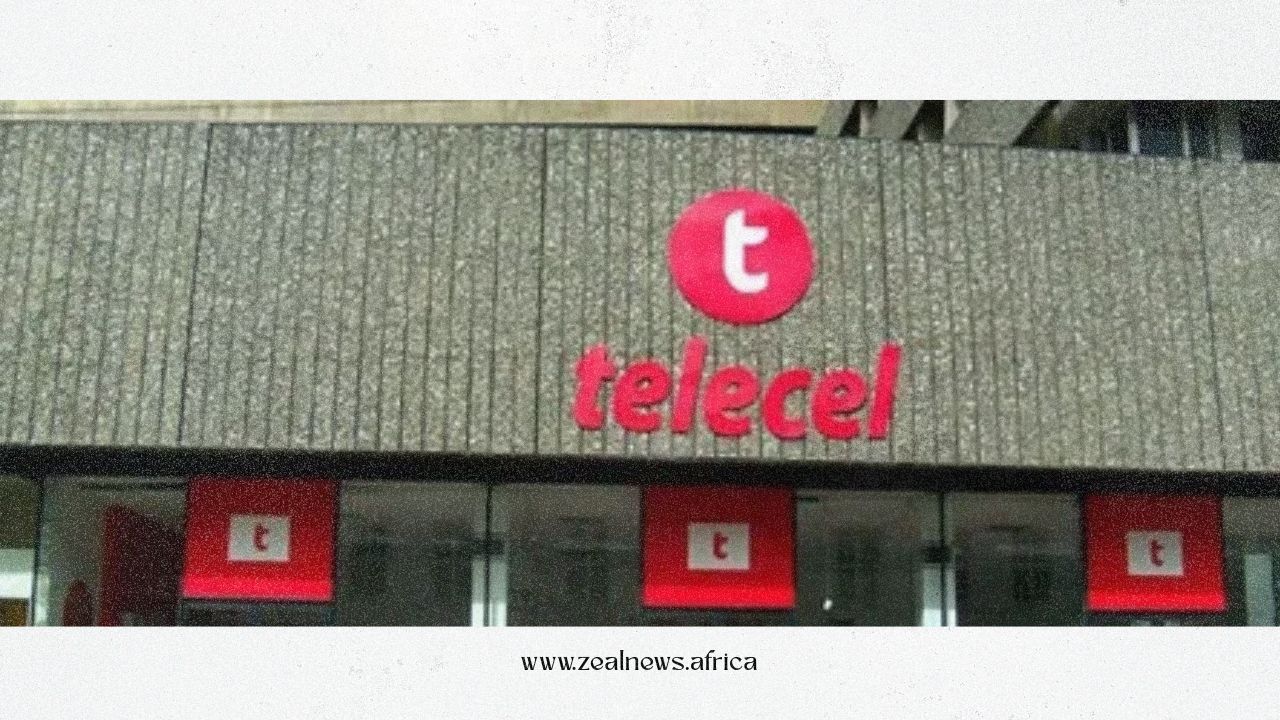
Corporate collapse doesn’t just happen overnight. It happens across years of bad decisions, unresolved disputes, and a slow bleeding of customers, infrastructure, and credibility, until the only option left is to find someone willing to take the wreckage off your hands.
Telecel Zimbabwe is officially on the market.Corporate rescue practitioners from Grant Thornton, one of the largest accounting networks globally, invited investors last week to bid for a stake in the struggling telecom operator as it tries to exit a court-supervised rehabilitation process that began in October 2025.
Interested buyers have until today, 28th April 2026, to submit offers, with detailed financials available only after signing non-disclosure agreements (NDAs).
The company is carrying over $240 million in debt. Its subscriber base has collapsed to just over 319,000 users as of mid-2025. Its market share sits at under 2%. If no buyer emerges, liquidation is the next stop.
This is not a turnaround story, not yet. It is a last attempt at survival, and whether it succeeds depends on whether any investor can look at what Telecel Zimbabwe has become and still see a business worth saving.
What Is Actually Being Sold and What It Will Cost to Fix It

Telecel Zimbabwe is the country's third-largest operator, behind Econet Wireless, which dominates the market, and NetOne, the state-owned second player.
That third-place position sounds less significant when you understand how far behind it actually sits. Econet Wireless alone commands the kind of infrastructure and subscriber numbers that make Telecel's current position look less like competition and more like a placeholder.
The network infrastructure tells the harder story. Telecel operates just a handful of Long-Term Evolution (LTE) base stations. There is no fifth generation (5G) rollout in sight. Any investor coming in is not acquiring a functional telco at scale, they are buying a debt-laden company that will require substantial capital injection just to be competitive again, in an economy that is already challenging.
The one asset that might attract genuine interest is Telecash, Telecel's mobile money platform. But even that faces steep competition from Econet's EcoCash, which has an entrenched position in Zimbabwe's mobile payments market that Telecash has never been able to meaningfully challenge. An investor would be buying potential — not position.
How a Telecom Becomes a Legal Dispute With Subscribers

Telecel Zimbabwe did not arrive at this point by accident. It got here through a long, messy ownership saga that substituted political decisions for sound business strategy, and the network paid the price for every unresolved dispute.
The company launched in 1998 as a joint venture but spent years trapped in ownership conflicts driven by Zimbabwe's indigenisation laws, which clashed with the foreign ownership structure the company had been built on.
In 2015, the government struck a deal to buy out Telecel International's 60% stake, previously held by VimpelCom, for $40 million. The government did not have the money. Employees were told, prematurely, that the state-owned ZARNet had taken over and that they were now civil servants.
The deal was formally completed in April 2016 and even that completion was disputed. The Empowerment Corporation, which held the remaining 40%, argued the sale violated their right of first refusal and broke the existing shareholder agreement.
That legal uncertainty never resolved cleanly, without foreign investment or sustained technical backing after the takeover, the network deteriorated steadily. Customers noticed. Subscribers left. And the gap between Telecel and its rivals grew wider every year.
Why This Is Bigger Than One Struggling Operator
Latest Tech News
Decode Africa's Digital Transformation
From Startups to Fintech Hubs - We Cover It All.
If Telecel Zimbabwe fails to attract a buyer and moves into liquidation, Zimbabwe's telecom market effectively becomes a two-player game. That matters, not just as a business statistic, but as a consumer reality.
In any sector, competition is what keeps pricing honest and service quality moving. A market where one operator dominates and another is state-owned, with no functional third alternative, is a market where users have less leverage and fewer options.
This is also a cautionary tale that applies well beyond Zimbabwe. Across Africa, telecom operators have been caught in the crossfire between government policy, indigenisation laws, ownership disputes, and underfunded state interventions.
The pattern is not unfamiliar: a company gets entangled in political decisions, investment dries up, infrastructure stalls, and customers who have alternatives quietly leave. By the time the rescue process begins, the damage is already structural and the effect ois felt for a long time.