Sterling Bank Is Partnering With Thunes! But What Does Thunes Actually Do?
Sterling Bank’s partnership with Thunes aims to simplify remittances for Nigerians abroad. Here’s what Thunes does and why the collaboration matters.

Partnership announcements are usually regular headlines in the financial and tech space, because of rapid growth and the need for better, efficient and inclusive services for its users.
So it's normal to see banks partnering with fintechs and even fintechs partnering with global infrastructure providers. Everyone is “collaborating” for relevance and growth.
But news like this hits the headlines, the average reader, customer, or even business owner just flips past believing it would be of benefit to them, yes it would definitely be beneficial but why not know the full details of partnerships and collaboration.
There are real questions to be asked loudly and to gain knowledge: what does this partnership actually change, who are the groups, why are they partnering and who does it really benefit?

Sterling Bank’s recent partnership with Thunes falls into this category. On the surface, it already sounds like another strategic alliance but beneath the announcement lies a deeper story about remittances, global payments, and how money moves across borders, especially for Nigerians living abroad.
To truly understand why this partnership matters, we first need to understand who Sterling Bank is partnering with, and what Thunes actually does.
Sterling Bank, Thunes, and the Bigger Picture Behind the Partnership
Sterling Bank is a Nigeria-based commercial bank serving roughly one million customers across personal and business banking.
Over the years, it has positioned itself as a forward-thinking institution, particularly in areas of digital banking, innovation, and financial inclusion. But like many Nigerian banks, one persistent challenge has been cross-border payments, especially remittances.
Nigeria is one of Africa’s largest recipients of diaspora remittances. Millions of Nigerians abroad send money home regularly to support family, invest, or manage everyday obligations resulting from even black tax.
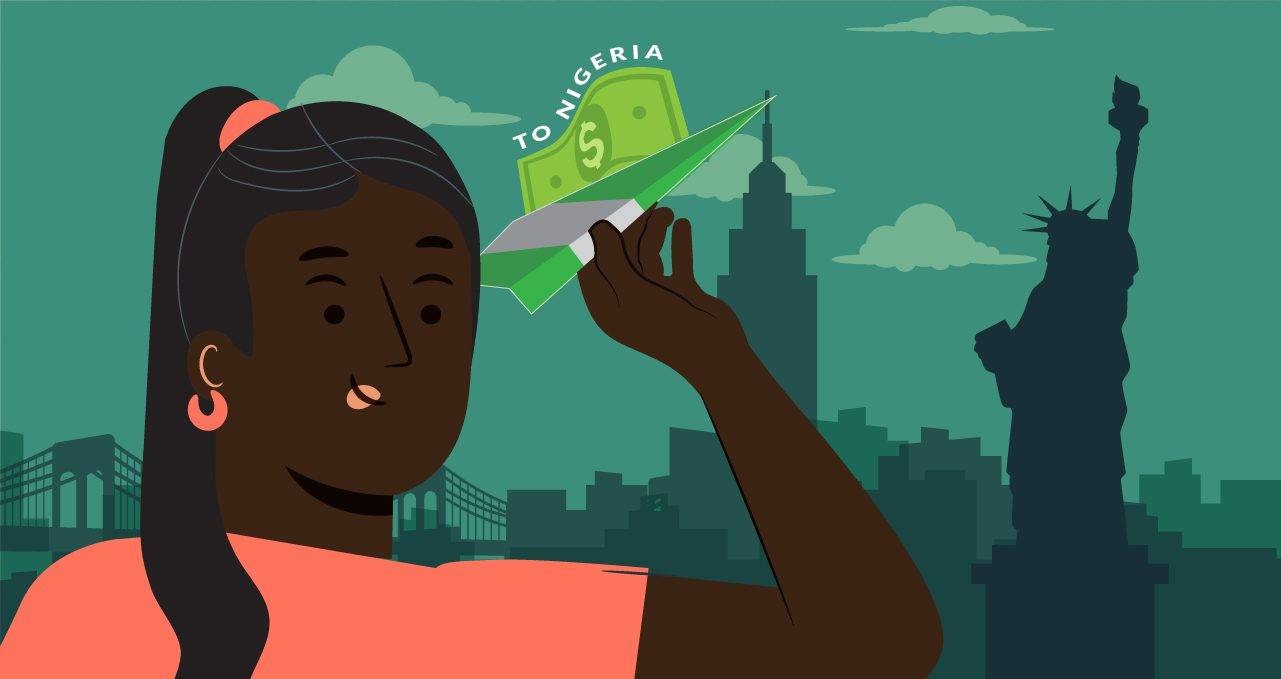
Yet even though there has been significant progress over the years, the process for many individuals is often slow, fragmented, expensive, and riddled with currency and settlement issues.

That is the problem Sterling Bank is attempting to address with this partnership.
By partnering with Thunes, Sterling Bank is now connected to the Thunes Direct Global Network, a payment infrastructure that enables instant payments across more than 130 countries and over 80 currencies.
This means faster settlement, fewer intermediaries, and more predictable transfers.

The goal is straightforward and easy to understand: simplify remittance payments for Nigerians living abroad, particularly across several European markets where Sterling plans to roll out this upgraded capability.
According to Thunes, the partnership offers expatriates “a more consistent way to support their families and manage finances.”
So if we all view this properly, this is not just a technical integration. It is a strategic move aimed at capturing trust, relevance, and long-term customer loyalty in a global financial system that increasingly values speed and reliability.
So What Exactly Is Thunes, and Why Does It Matter?

Thunes is a global payments infrastructure provider, not a consumer-facing app or a traditional bank. Its role is less visible but far more foundational.
Think of it that Thunes builds the rails that allow money to move instantly between countries, currencies, and financial institutions with no hassle involved or an intermediary.
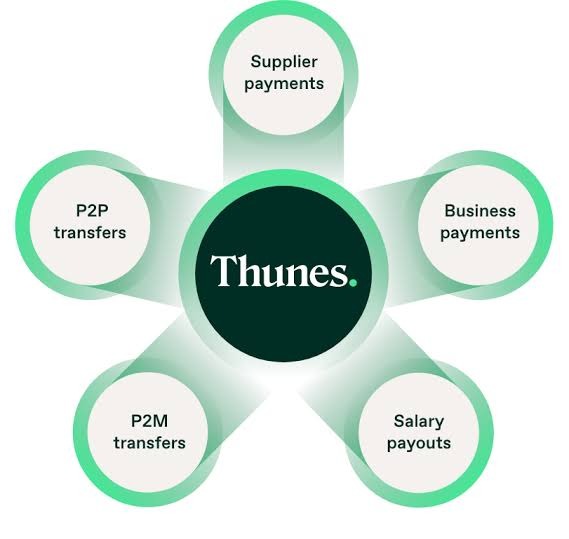
In simple terms, Thunes connects banks, fintechs, mobile wallets, and payment platforms into a single global network for a seamless experience.
Instead of money hopping across multiple correspondent banks and clearing systems, Thunes enables direct, real-time transfers. That efficiency is what makes instant cross-border payments possible.
Thunes operates across Africa, Europe, Asia, and the Americas, with offices in cities such as Abidjan, Johannesburg, and Nairobi, reinforcing its commitment to emerging markets.

It has already partnered with major African financial institutions including Ecobank, signaling strong credibility within the continent’s financial ecosystem.
Financially, Thunes is not a small player. In April 2025, the company raised $150 million in a Series D funding round, capital earmarked primarily for expansion into the United States.

The company’s growth strategy is led by CEO Peter De Caluwe, who resumed leadership in August 2025 after an interim period during which Floris de Kort served as chief executive.
For Sterling Bank, partnering with Thunes means plugging into a mature, globally trusted payment infrastructure rather than attempting to build one from scratch. For its customers, it means fewer delays, clearer exchange outcomes, and more reliable remittance experiences.
This is where the partnership becomes more than a headline, reflecting a growing understanding among Nigerian banks that global relevance requires global infrastructure.
What Readers Should Note And Why This Partnership Matters
When banks announce partnerships like this, it is tempting to dismiss them as corporate noise. But this particular collaboration highlights a few important lessons.
One of the many things to note is that infrastructure matters more than branding. Thunes is not popular because of advertising; it is valuable because it solves a difficult problem at scale. That is the kind of partnership that endures.
It is also important to note that remittance is not just about sending money home. It is about speed, transparency, and reliability. Nigerians abroad want systems that work as seamlessly as those available in developed markets. This partnership moves Sterling Bank closer to that standard.
Also, partnerships are only as good as their execution. While the alliance is promising, its real success will be measured by user experience, how fast the transfers are, how clear the charges remain, and how consistent the service becomes over time.
Most importantly, this partnership signals confidence. Confidence in Nigerian customers, in global collaboration and confidence that local institutions can compete meaningfully in international financial ecosystems.

In a financial world that is increasingly interconnected, Sterling Bank’s collaboration with Thunes shows what happens when local ambition meets global capability.
It is not about buzzwords or announcements. It is about making money move better, faster, and more reliably for real people.
And sometimes, that is all a good partnership needs to be.