South Africa Launches First-in-Human HIV Vaccine Trial, a Historic Step in Fighting HIV
South Africa, the country with the highest number of people living with HIV, launches the first-ever human trial of an HIV vaccine, a historic milestone in the fight against AIDS and a beacon of hope for millions.
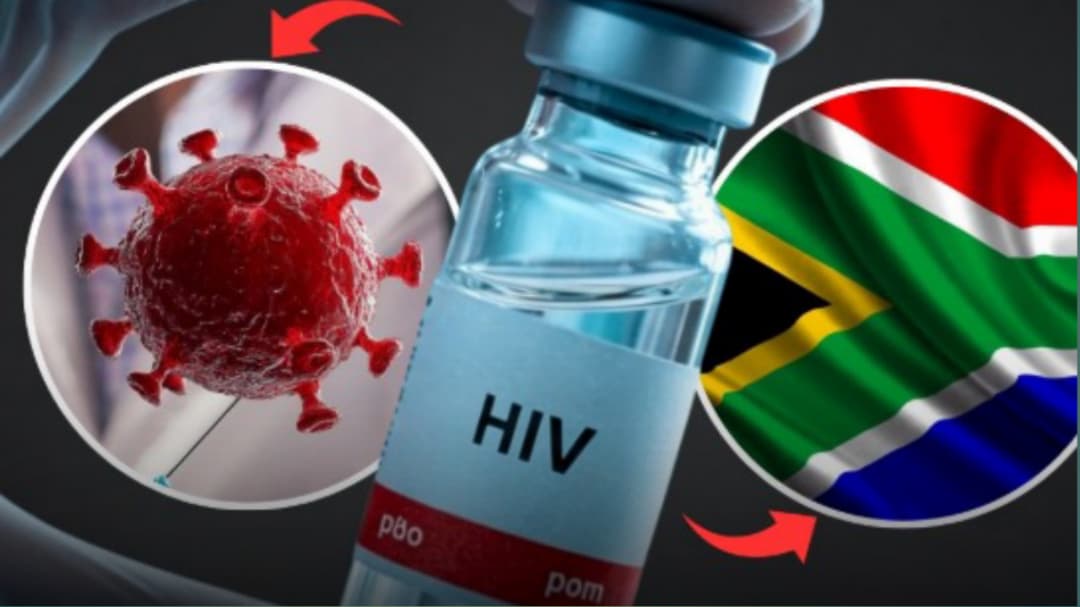
South Africa is one of the countries with the highest burdens of HIV in the world. HIV vaccine
So, in January 2026, South Africa took a major step in the decades-long global effort to find an HIV vaccine, with the launch of the first-in-human clinical trial of a promising new candidate vaccine.
The BRILLIANT 011 trial began this month at the Desmond Tutu HIV Foundation research site at Groote Schuur Hospital, enrolling its first volunteers in what scientists call a Phase 1 trial.
What Is a First-in-Human Trial?
Before any vaccine can be approved for public use, it must go through several stages of testing. A first-in-human trial, usually called a Phase 1 trial, is the earliest stage. Its main purpose is to answer three basic questions:
Is the vaccine safe?
What dose should be used?
Does it trigger an immune response in the body?
Unlike later stages, this phase focuses mainly on safety and immune response, not whether the vaccine actually prevents HIV infection.
Instead, Doctors watch volunteers carefully to see how their bodies react after receiving the vaccine.
They collect blood and other samples to measure early signs of immune activity and ensure there are no serious side effects.
If the results are positive, the vaccine will move to larger trials involving more participants. These later stages test both safety and effectiveness in preventing infection.
Why South Africa?
South Africa has become a global leader in HIV research.
Conducting the trial locally ensures that the vaccine is tested in populations most affected by the virus. It also means researchers can study how the vaccine performs against the strains of HIV that are common in the region.
The BRILLIANT 011 trial is the first time this particular HIV vaccine candidate has been tested in people, following years of laboratory research.
The first participants were enrolled in early February 2026, officially marking the start of the trial.
“This is a critical early step in vaccine development,”said Professor Glenda Gray, chief scientific officer of the South African Medical Research Council (SAMRC), one of the lead organisations behind the study. “We do not yet have an HIV vaccine, but trials like this bring us closer to that goal.”
Why This Trial Matters
This new first-in-human trial represents more than just another experiment. It shows progress in several important ways.
One of the defining features of this trial is that it was designed and is being led by African scientists.

Researchers from the SAMRC, the Desmond Tutu HIV Foundation, and the Wits Health Consortium have worked with international partners to bring the project to life.
Second, it reflects improved research capacity in South Africa.
Running an early-stage human trial requires strict safety monitoring, advanced laboratories, trained medical staff, and strong ethical oversight. The ability to conduct such a trial locally shows that these systems are firmly in place.
Third, it brings renewed hope. Although an effective HIV vaccine may still be years away, each trial builds on previous knowledge. Even if this particular vaccine does not succeed, the data collected will guide future research.
Conclusion
If Phase 1 results show that the vaccine is safe and produces a good immune response, then researchers will move to Phase 2 trials.
These involve a larger group of volunteers and continue evaluating safety while studying how the immune response develops over time.
If those results are encouraging, Phase 3 trials would follow. These involve thousands of participants and are designed to determine whether the vaccine actually prevents HIV infection in real-world conditions.
The entire process can take many years.
Vaccine development is careful and methodical because safety must always come first.