Showmax Generated $204 Million but Lost Over $523 Million in Three Years
Showmax was meant to be Africa’s answer to Netflix, but the numbers tell a different story. A TechCabal analysis reveals the platform lost $2.50 for every $1 earned, exposing the real cost of building a streaming empire in Africa.

Africa was supposed to be streaming’s next big frontier.
For years, media executives imagined a continent where millions of young, mobile-first viewers would gradually abandon satellite television for apps on their smartphones.
The logic sounded convincing as Africa has one of the world’s youngest populations, mobile phone adoption is rising, and digital entertainment is expanding rapidly.
But one of the continent’s biggest streaming bets tells a far more complicated story.
According to a financial analysis published by TechCabal, the African streaming platform Showmax lost about $2.50 for every $1 it generated in revenue between 2023 and 2025. Behind that statistic lies a costly experiment that reveals the true price of building a global-scale streaming platform in Africa.
The Streaming Dream That Looked Obvious
When MultiChoice Group launched Showmax in 2015, the goal was ambitious: create Africa’s answer to global streaming giants like Netflix.
At the time, the strategy seemed logical. Satellite television still dominated African households, but internet access and smartphone ownership were steadily improving. Media companies believed a digital shift was inevitable.
Showmax positioned itself as a platform built specifically for African audiences. It invested heavily in local productions, regional distribution partnerships, and mobile-friendly streaming options designed for markets where broadband access was uneven.
Yet streaming success requires scale. Platforms must attract millions of subscribers to offset the enormous cost of producing content, maintaining technology infrastructure, and marketing the service. For Showmax, reaching that scale proved difficult.
A Platform Rebuilt From the Ground Up
In 2023, MultiChoice attempted a major reset. The company partnered with NBCUniversal to rebuild Showmax using the technology behind its streaming platform, Peacock.
The collaboration created a new entity called Showmax Africa Holdings Limited, headquartered in the United Kingdom and responsible for managing the service across the continent.
NBCUniversal acquired a 30% stake in the venture for about $29 million, and additional capital followed. Showmax received $36 million in equity funding in 2024 and another $85 million in 2025, funds intended to support expansion and operational costs.
The biggest commitment, however, came through technology. Showmax signed a seven-year licensing agreement worth roughly $405 million to use Peacock’s streaming infrastructure.
Instead of building its own platform architecture, Showmax licensed the system powering recommendation engines, streaming delivery, and product engineering.
The deal allowed the company to relaunch with improved performance and a broader content library. But it also locked the platform into long-term financial obligations.
Spending Like a Global Giant
Technology was only part of the cost.
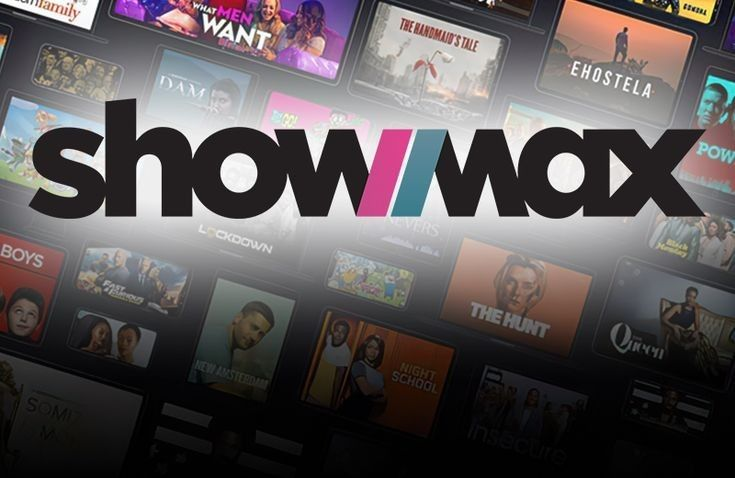
Content production quickly became one of Showmax’s largest financial burdens. The platform significantly expanded its catalogue of African originals, releasing 59 original films by 2024 and increasing that number to 82 by 2025.
According to data cited by TechCabal from MultiChoice disclosures, content production and licensing alone cost roughly $235 million between 2024 and 2025.
Other expenses accumulated rapidly. Staff costs reached about $61.6 million, while sales and marketing spending climbed to approximately $72 million. Additional operational expenses added more than $221 million to the balance sheet.

Even before accounting for future technology payments, the platform’s cost structure dwarfed its earnings.
During the same three-year period, Showmax generated about $204.29 million in total revenue, including $145.35 million from subscriptions.
The result was predictable: operating losses exceeding $523 million between 2023 and 2025.
The Reality Check for African Streaming
Showmax’s financial struggles do not necessarily mean streaming lacks a future in Africa. What they reveal instead is the enormous gap between potential and present-day market realities.
Streaming platforms depend heavily on large subscriber bases paying recurring fees. In many African markets, however, subscription services compete with limited disposable income, high data costs, and inconsistent broadband access.
Even global companies have adjusted their expectations. Netflix has reduced production budgets in some African markets, while Amazon Prime Video scaled back its African operations in 2024.
Meanwhile, MultiChoice’s new controlling shareholder, Canal+, has begun restructuring its streaming strategy following the acquisition of the company.
READ MORE: Canal+ Pulls the Plug on Showmax and Africa's Film Industry May Pay the Price
The Showmax experiment ultimately offers a revealing lesson about Africa’s digital economy: opportunity is real, but infrastructure, affordability, and scale still shape what business models can survive.
Streaming may still become the dominant form of television across the continent. But the financial trail left by Showmax suggests that reaching that future will take far more time—and far more investment, than early optimists imagined.