She100: From KwaZulu-Natal to the World — The African Scientist Who Changed HIV Prevention
From a small town in KwaZulu-Natal to global impact, Prof. Quarraisha Abdool Karim turned science into a tool for change. Her groundbreaking HIV research and dedication to training the next generation of African scientists reshaped global health.
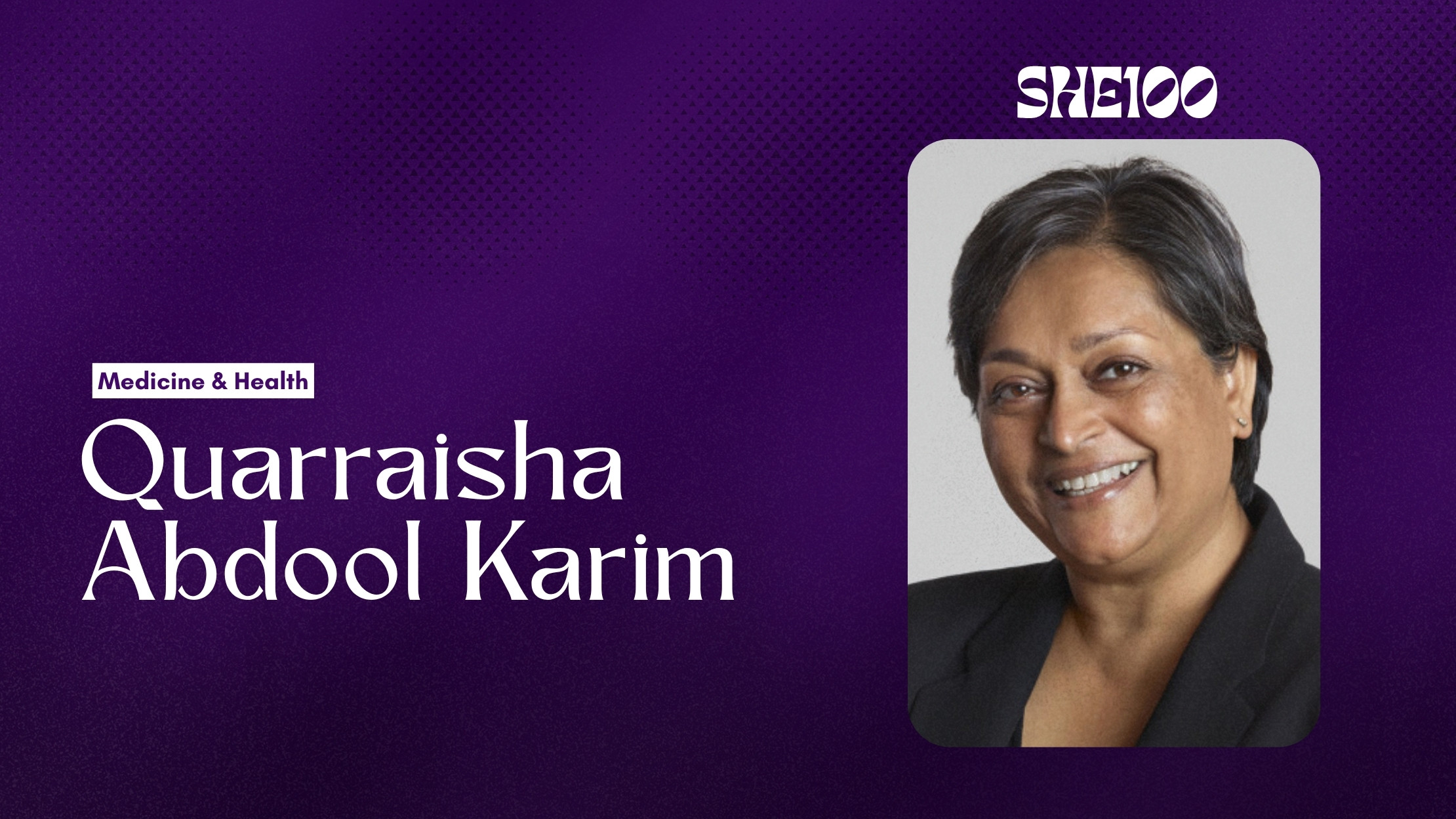
Quarraisha Abdool Karim was born in 1960 in Tongaat, a small coastal town about 40 kilometres north of Durban, deep in KwaZulu-Natal. Tongaat is home to one of South Africa's oldest Indian communities, built by descendants of labourers brought from India to work sugarcane plantations and coal mines.
She grew up under apartheid, which meant the government had decided, long before she could speak, what a girl like her was worth. Her grandmother, her parents and a hunger that couldn't be legislated away had other ideas.
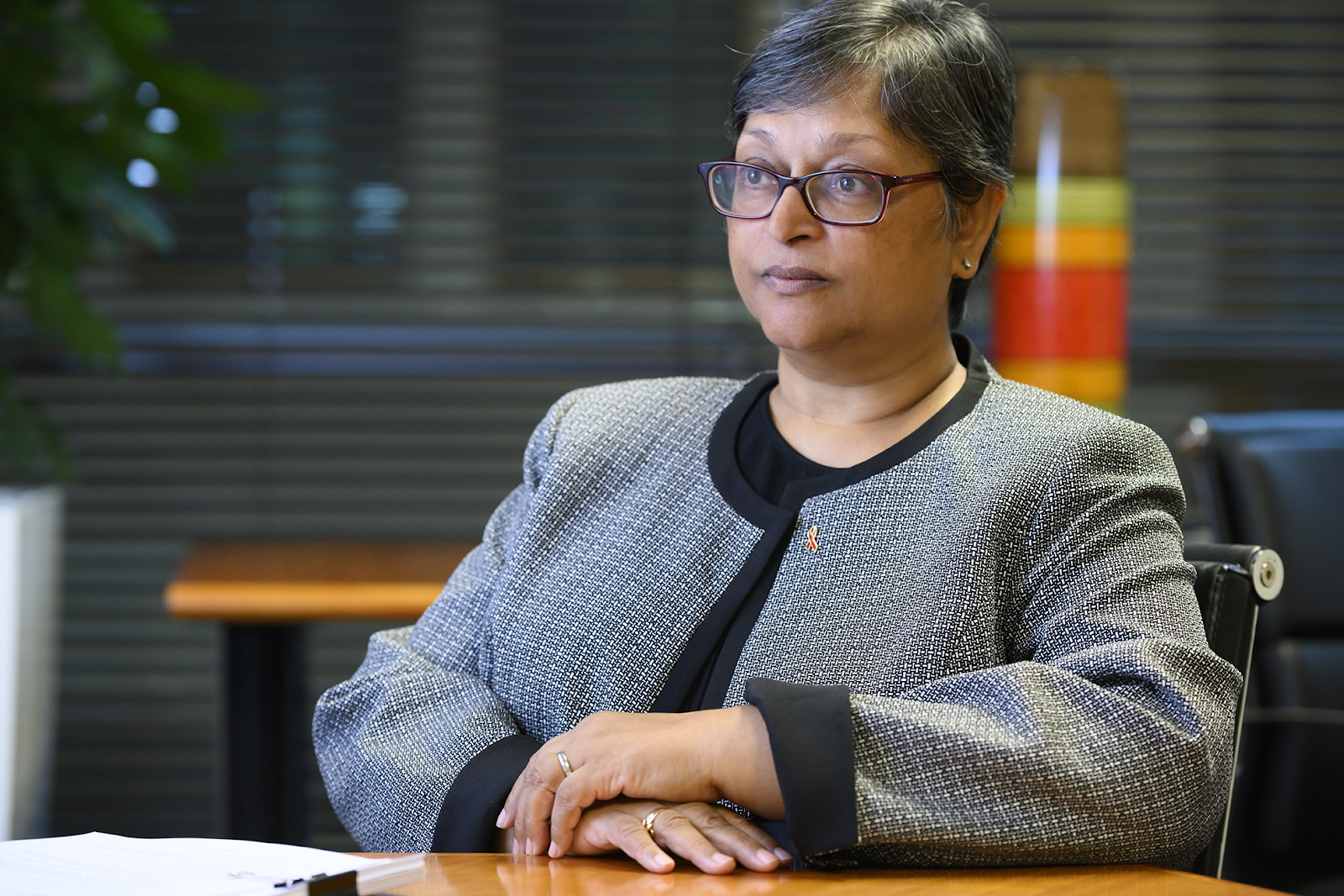
She earned a BSc in biochemistry, completed a masters in parasitology at Columbia University in New York and finished her PhD at the University of Natal in 2000.
The path wasn't straight and it certainly wasn't handed to her. It was built, qualification by qualification, in a country not designed to accommodate her ambition.
When Science Became an Act of Resistance
Quarraisha didn't arrive at HIV research in a straight line. After her BSc from the University of Durban-Westville, she worked briefly in haematology research at the University of Natal, studying beta thalassemia, a blood disorder prevalent in people of Indian heritage.
Alongside her lab work, she was actively involved in the anti-apartheid health sector, training activists through the Emergency Services Group on how to administer first aid to wounded comrades in the townships.
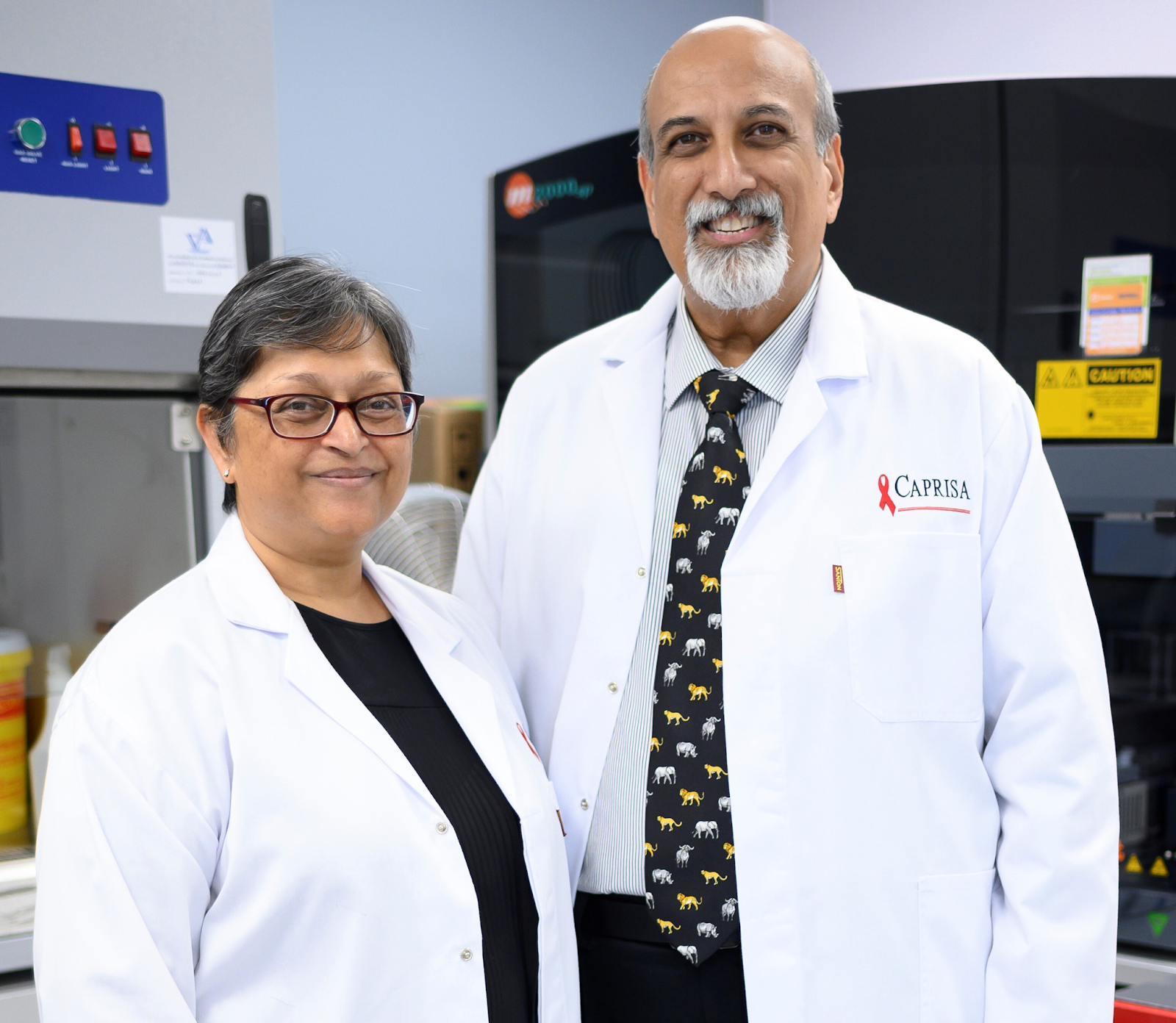
Science and resistance were never separate things for her. When she married Salim in 1988 and joined him in New York, she studied epidemiology and parasitology at Columbia, mentored by Dr. Zena Stein, a fellow South African who had pioneered healthcare provision in marginalised communities.
When the couple returned to Durban in late 1988, Quarraisha joined the South African Medical Research Council and established the MRC AIDS Programme in KwaZulu-Natal in 1989. That decision changed everything.
HIV was already spreading rapidly across South Africa, and Quarraisha and Salim were tracking it closely.
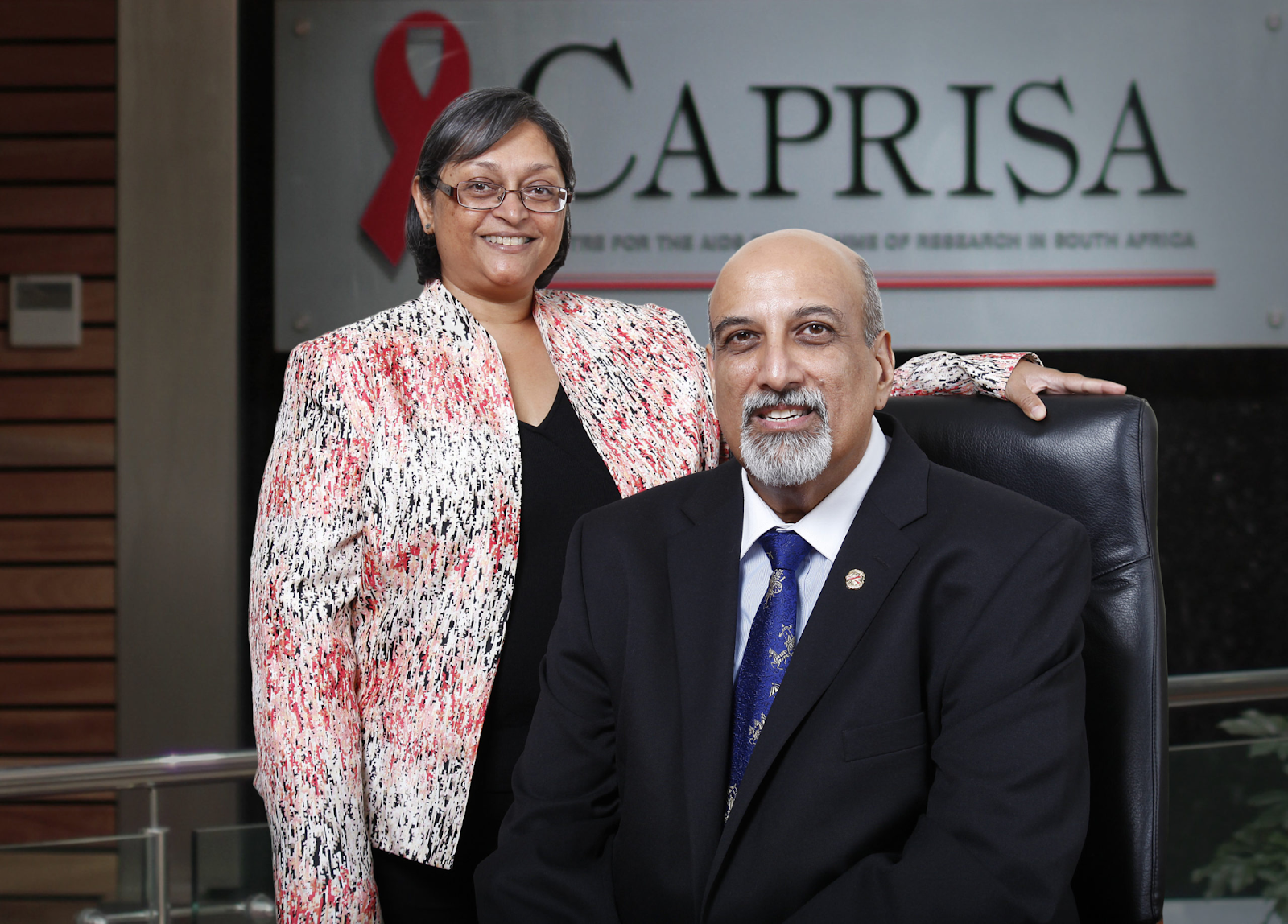
What they documented, with data to back it up, was a pattern the world needed to take seriously: young women and adolescent girls were being infected at disproportionate rates, often by older men.
Not because of personal failure, but because of structural power imbalances that made them deeply vulnerable. Their research named the problem. Naming it was the first step to fighting it.
The Gel That Rewrote the Playbook
In 2010, Quarraisha led the CAPRISA 004 trial, a clinical study testing whether a tenofovir-based vaginal gel, applied before and after sex, could protect women from HIV. The results were amazing.
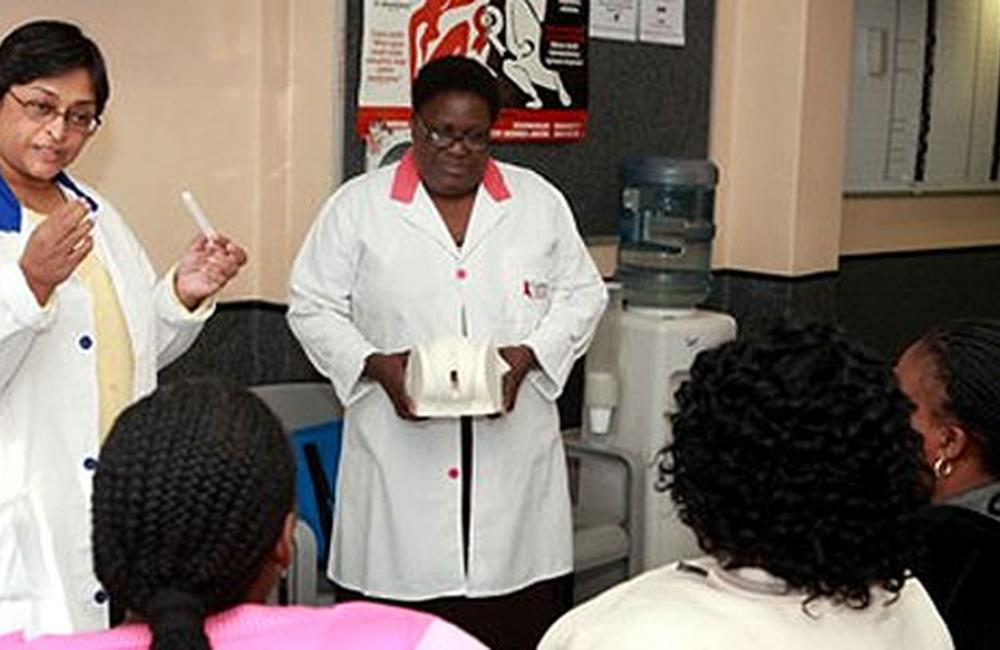
Women who used the gel were 39% less likely to contract HIV overall and among those who used it consistently, that figure rose to 54%. Science magazine listed it as one of the top 10 scientific breakthroughs of 2010.
But the bigger deal was not in the statistic, it was, rather, what it proved. This was the first time in the history of the epidemic that antiretrovirals had been shown to prevent HIV transmission.
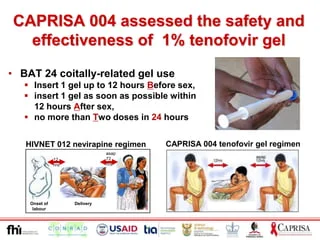
That discovery laid the scientific groundwork for PrEP (pre-exposure prophylaxis), the HIV prevention tool now used in countries across the world.
The CAPRISA 004 trial restructured how the world thinks about HIV prevention and it was conceived, designed and led by a Black South African woman from a sugarcane town in KwaZulu-Natal.
She Didn't Just Do the Work — She Built the Infrastructure
What separates Prof. Quarraisha from many brilliant scientists is her investment in continuity. Through the Columbia University–Southern African Fogarty AIDS International Training and Research Programme, she has helped train over 600 scientists across southern Africa.
She understood early that if Africa was going to address its own health crises, it needed its own scientists not a permanent dependency on outside expertise.
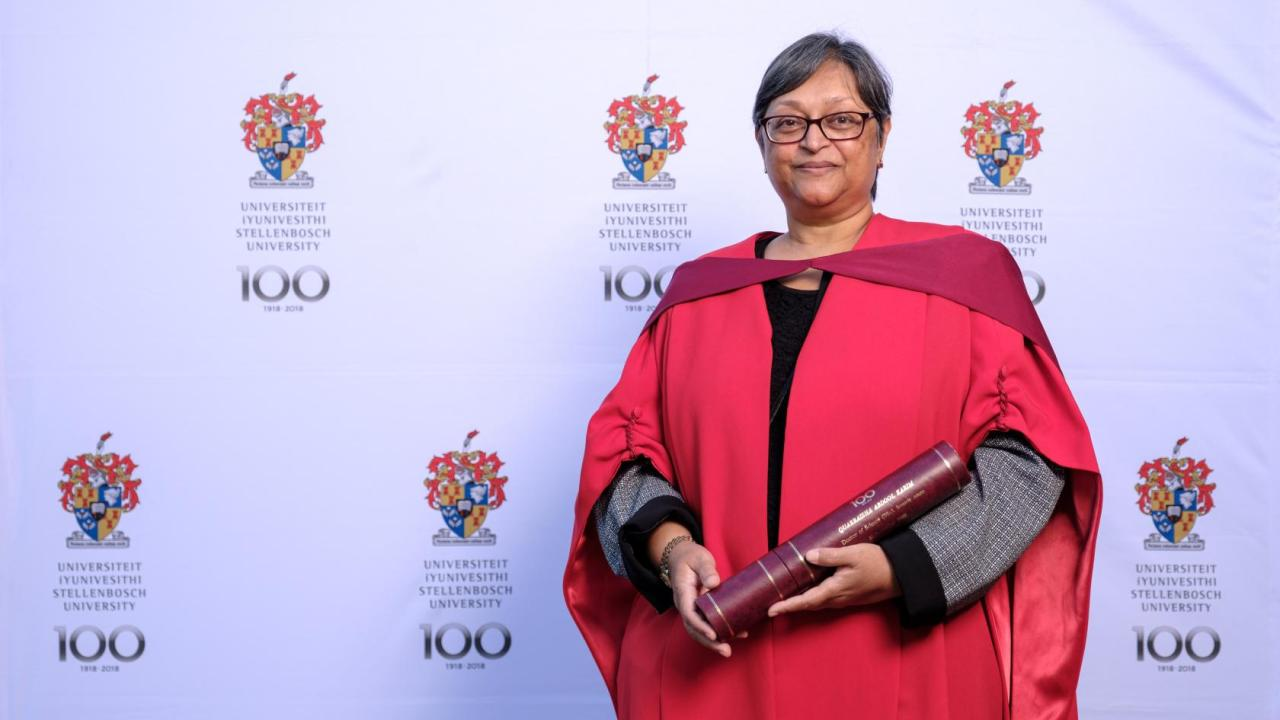

Today she holds professorships at Columbia University and the University of KwaZulu-Natal, serves as Pro-Vice Chancellor for African Health and is President of The World Academy of Sciences (TWAS).
She is the UNAIDS Special Ambassador for Adolescents and HIV, sits on the PEPFAR Scientific Advisory Board, and was involved in WHO-led COVID-19 vaccine and therapeutics trials.
In 2024, she and Salim jointly received the Lasker–Bloomberg Public Service Award, one of the most prestigious prizes in medicine globally.
Conclusion
There is a version of this story where Prof. Quarraisha Abdool Karim is simply a world-class scientist who ran excellent trials. But that undersells it.
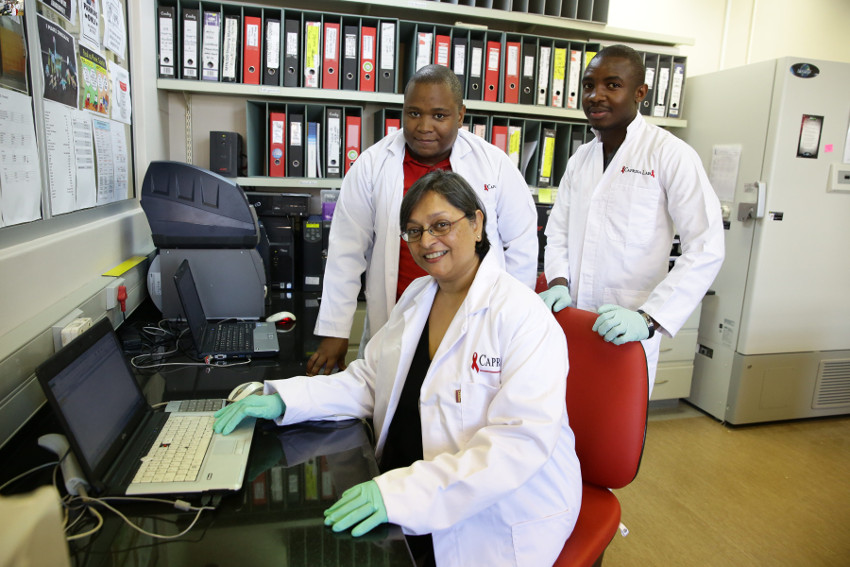
She grew up under a system designed to shrink her possibilities. She watched a pandemic devastate communities already carrying the weight of apartheid.
She identified who was most at risk when others weren't asking that question. And she spent the next three decades building scientific tools and training the next generation of researchers to keep going.
The BBC named her one of seven trailblazing women in science. South Africa awarded her the Order of Mapungubwe, its highest civilian honour. She is something even more valuable: proof that a girl from a small town, in a country betting against her, can change how the entire world fights disease.
The lab bench, in her hands, became a frontline.