Unveiling History: The Enigmatic 18th Century Genderless Preacher You Never Knew Existed
In 1776, Jemima Wilkinson, after a coma, transformed into the genderless Public Universal Friend, founding a unique religious movement amidst America's Great Awakenings. The Society of Universal Friends championed universal salvation, rejected slavery, and promoted gender equality, attracting diverse followers despite public scrutiny and legal challenges.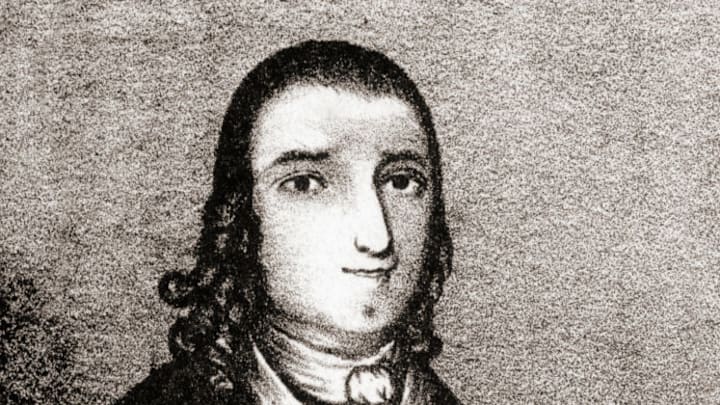
During the second year of the Revolutionary War, a profound transformation occurred when a person previously known as Jemima Wilkinson fell into a fever-induced coma. Upon awakening, this individual declared that Jemima was dead.
Instead, they proclaimed that their body was now inhabited by a spirit sent from heaven, tasked with preparing people for the impending millennium.
This celestial messenger asserted a lack of earthly gender, believing that gender applied exclusively to terrestrial humans, and henceforth adopted the moniker the Public Universal Friend.
A New Gospel in the Age of Awakening
The Public Universal Friend's pivotal revelations in 1776 coincided with theera of the Great Awakenings, periods characterized by intense religious fervor throughout America in the 18th and 19th centuries.
At this time, Quakerism was a well-established religion in the United States, and its traveling preachers were commonly referred to as Friends.
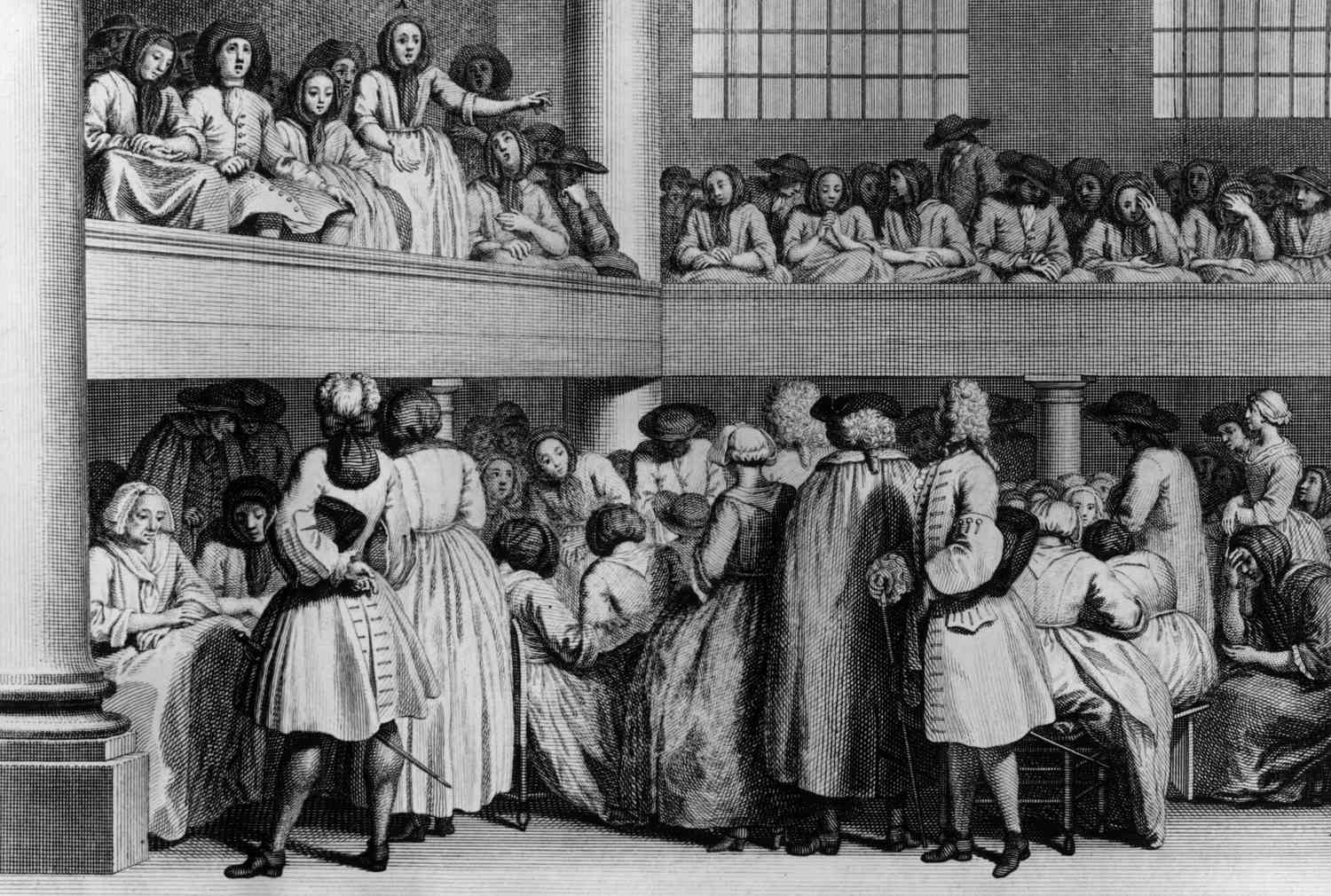
Following their awakening, the Public Universal Friend attempted to share their unique gospel in various Quaker meetings.
However, the Quaker Society of Friends ultimately ejected the entire Wilkinson family due to the Friend's distinct theological interpretations.
The Society of Universal Friends: A Radical Community
Despite this rejection, the Public Universal Friend embarked on extensive travels across the northeastern United States with their siblings, steadily gathering followers.
These devotees often referred to the Friend with affectionate titles such as "Comforter" or "P. U. F."
A dedicated group, known as the Society of Universal Friends, soon formed, consciously departing from establishedQuaker traditions.
This society attracted a diverse membership, including ex-slaves, unmarried women, and many others drawn to the Friend's compelling promise of an inclusive heaven.
The Society of Universal Friends vociferously rejected slavery, frequently persuading slaveowners who joined their ranks to liberate their slaves.
They also promoted celibacy, advocated for the renunciation of worldly temptations, and championed the concepts of free will and universal salvation, which posited that all people would ultimately achieve salvation.
Furthermore, the group strongly advocated for generosity, hospitality, and gender equality within its community.
Public Scrutiny and the Move to New York
As the Public Universal Friend's following grew, newspapers often became fixated on the Friend's distinctive gender presentation.
When directly questioned about being a man or a woman, the Friend famously responded with the enigmatic declaration, "I am that I am."
Another point of controversy stemmed from the prominent roles and positions of power held by many women within the Society of Universal Friends.
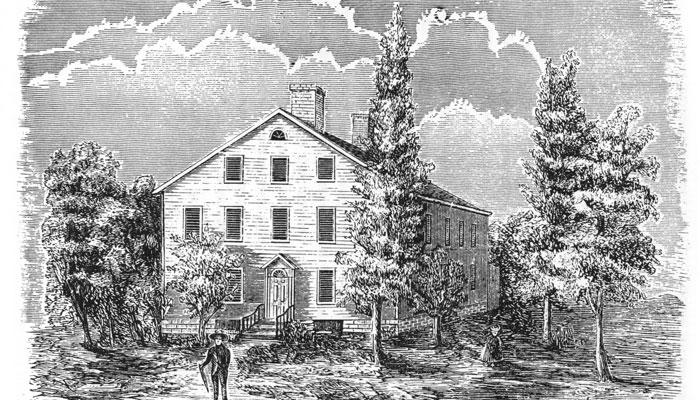
In the late 1780s, partly to escape the increasing public scrutiny, a contingent of 25 members of the Society of Universal Friends collaboratively purchased land in the untamed wilderness of upstate New York, situated near the Genesee River.
By 1790, when the Friend came to reside on the property, approximately 300 people were living in this new settlement. The group later relocated to Jerusalem, New York.
Trials, Escapes, and a Courtroom Sermon

This period of settlement, however, was not without its difficulties. The community was plagued by internal tensions, and at one juncture, former followers attempted to have the Friend arrested on charges of blasphemy.
The Public Universal Friend, demonstrating remarkable resilience, successfully evaded arrest through a dramatic escape on horseback.
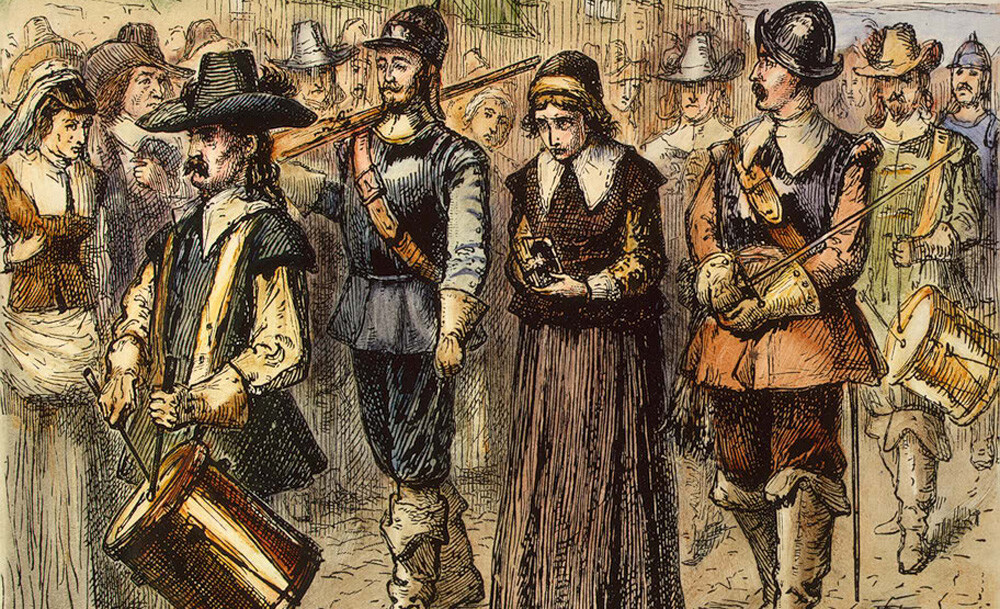
Later, when the Friend eventually appeared in court, the presiding judge delivered an unexpected ruling in the Friend's favor, concluding that "blasphemy" in this specific context was not legally punishable.
Remarkably, the judge even requested that the Public Universal Friend deliver a sermon for the entire courtroom to hear, further cementing their unique and controversial legacy in American religious history.