She100: Ekanem Ikpi Braide — Nigeria's Most Underrated Woman of Science
A look at how Ekanem Ikpi Braide helped eliminate Guinea worm disease in Nigeria, built major universities, and became the first woman to lead the Nigerian Academy of Science.
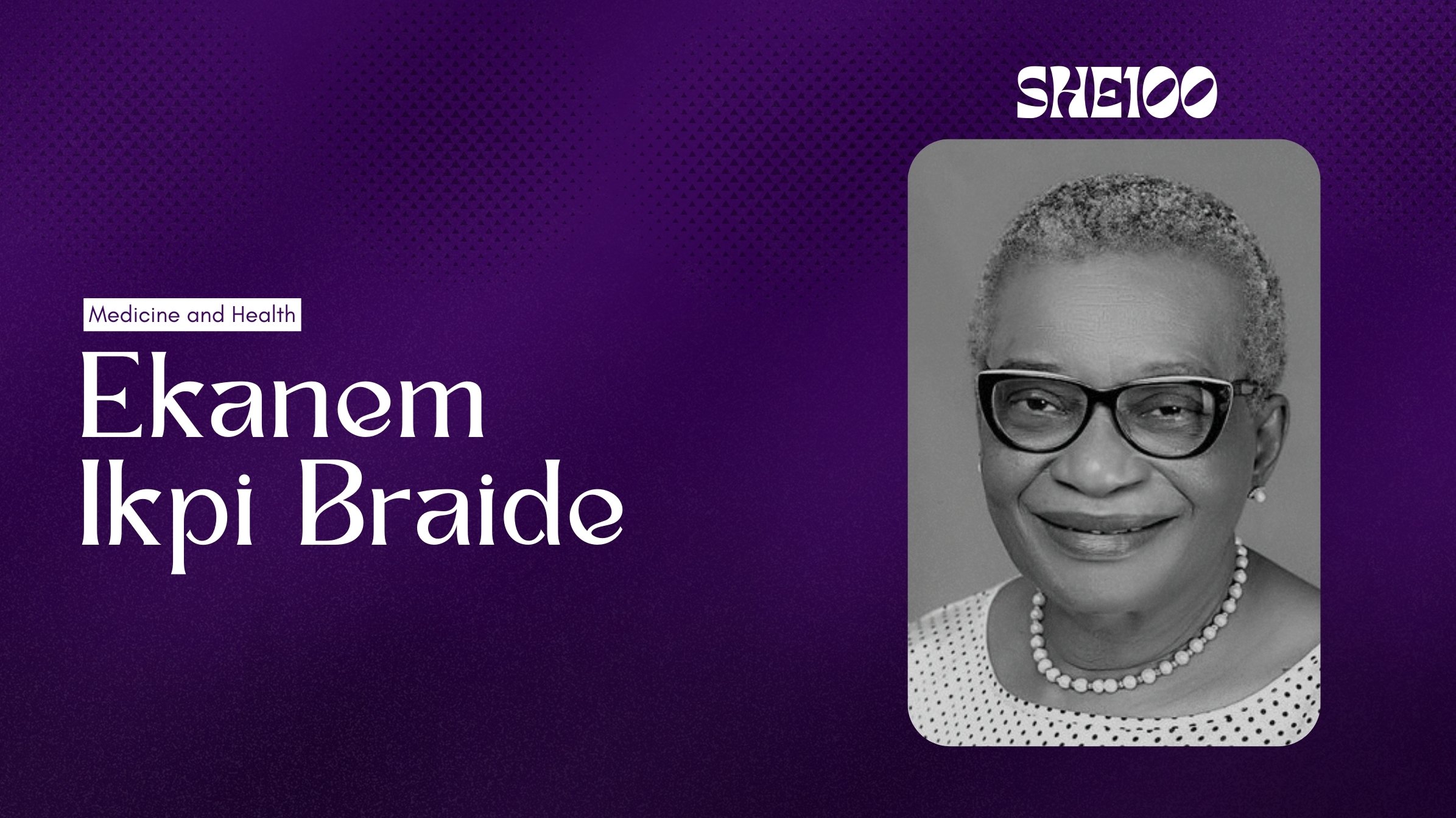
There is a certain kind of woman Nigeria keeps producing but rarely celebrates. The kind who shows up, does the work, changes things and somehow still doesn't make it to the history books most of us were handed.
Professor Ekanem Ikpi Braide is exactly that woman and she deserves her flowers.
Born on March 6, 1946, in Cross River State, Braide never wanted to be a scientist. She wanted to study English.
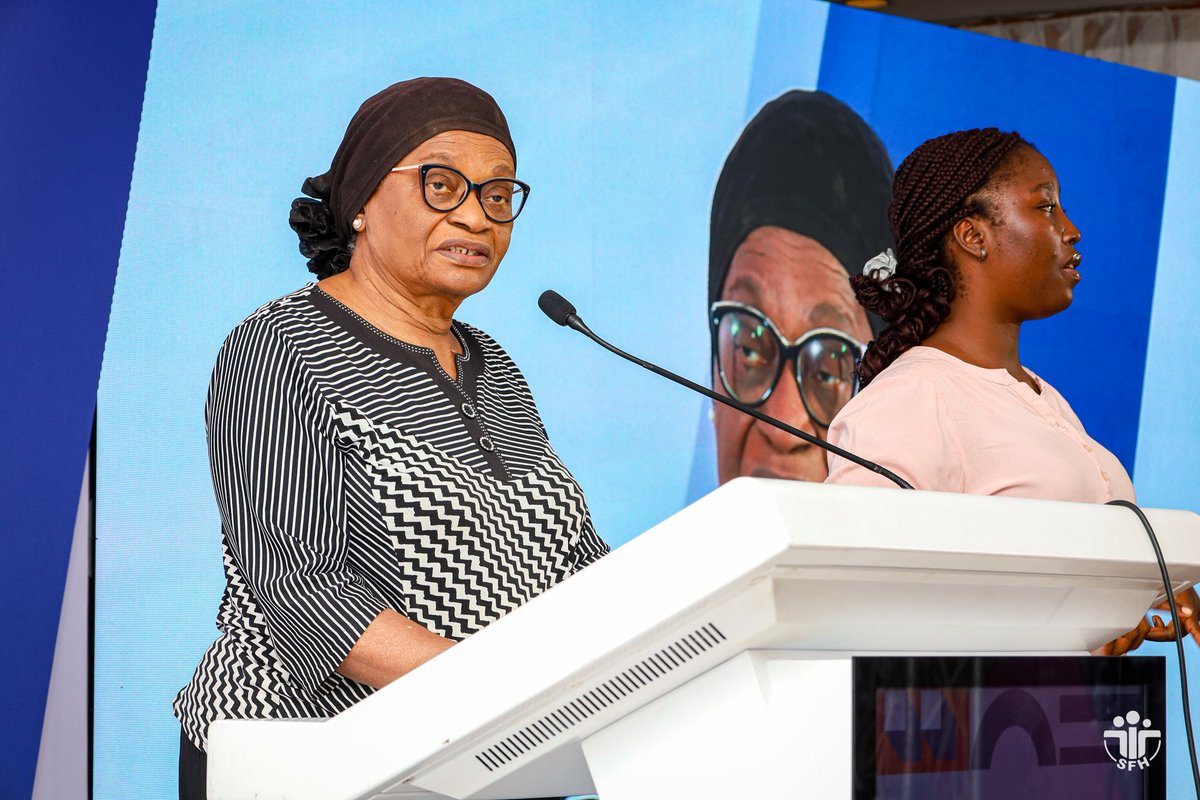
She was good at writing, loved language and had the kind of mind that would have made her a brilliant essayist.
But her father had other ideas. He pushed her toward science and she, reluctantly, followed. It did not take long before she fell in love with it. The problem-solving pulled her in.
The idea that you could study a disease, understand it and then dismantle it from the inside out was enough to leave her hooked.
She chose Zoology for her first degree at the University of Ife, then went all the way to Cornell University in New York, where she earned a Master's in Parasitology and a Doctorate in Epidemiology.
Then, she came back home and got to work.
The Worm Nobody Talks About
If you grew up in Nigeria and never had to worry about guinea worm disease, there is a chance that Ekanem Ikpi Braide is part of the reason why.
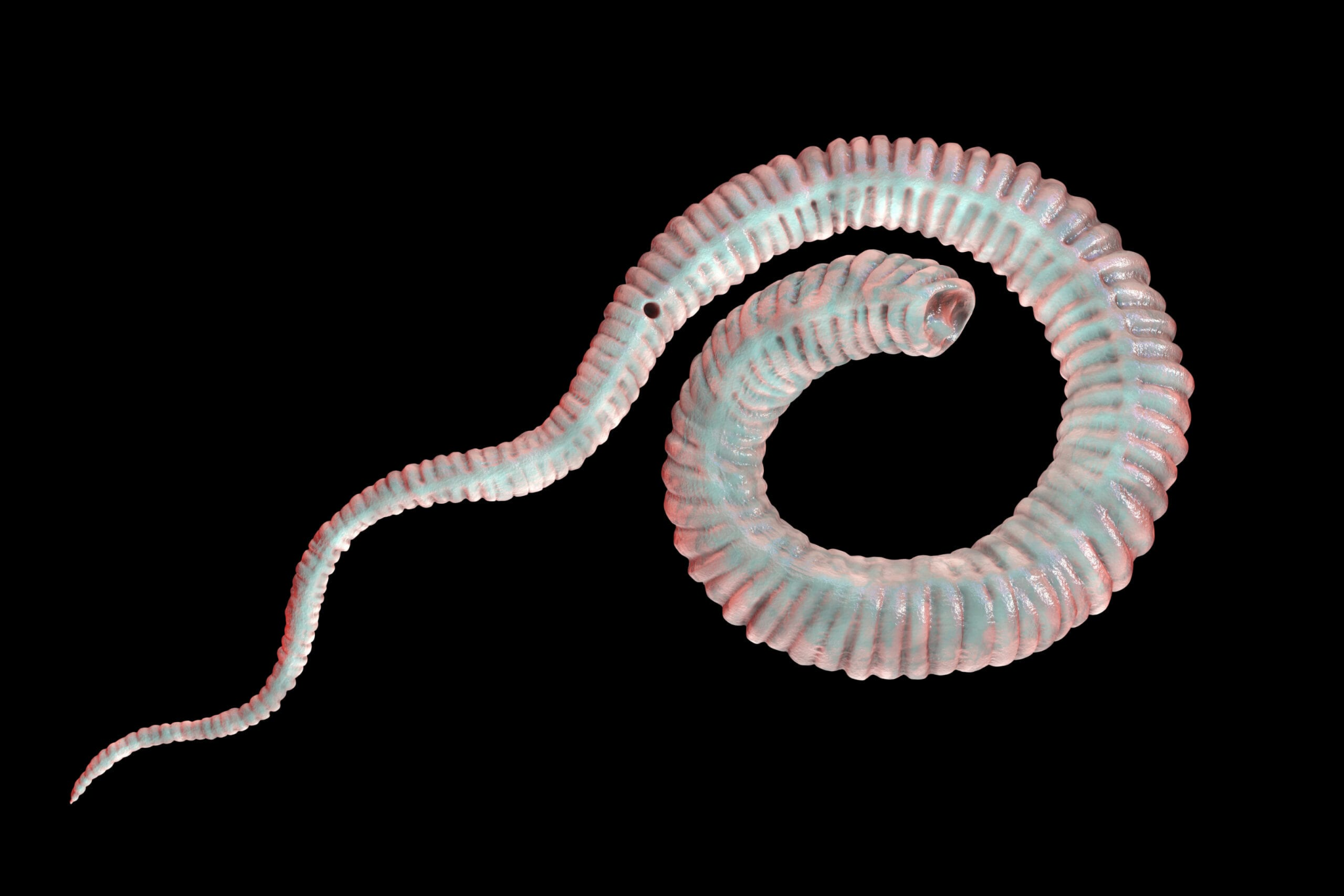
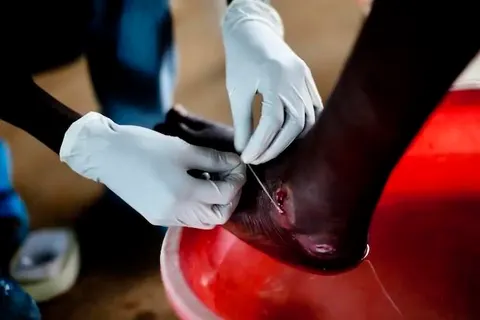
Guinea worm is exactly what it sounds like. A parasitic worm that enters the body through contaminated water and, over the course of months, slowly crawls out through the skin.
It is as painful as it sounds and for decades, it devastated farming communities across Nigeria, particularly in the South East.
In 1987, Braide partnered with UNICEF to carry out a landmark piece of research that measured how badly guinea worm was hurting Nigeria's rice-farming communities.
The findings were stark enough to convince the federal government to take the disease seriously.
That study lit the fire under Nigeria's Guinea Worm Eradication Programme and from 1988 to 1998, Braide served as the Zonal Facilitator for the South East, on the ground, coordinating community-based strategies to contain and prevent the disease.
She stayed on the certification committee until 2013 when Nigeria was officially declared guinea worm-free. An entire parasitic disease, eliminated from a country of hundreds of millions.
Her fingerprints are all over that victory. She won a Jimmy/Roslynn Carter Award for outstanding dedication and achievement in this eradication programme in 1994 and a top award from Nigeria’s president in 2010 for her contribution to disease control in Nigeria.
She is definitely that girl.
Building Institutions From Scratch
Most people spend a career at one institution. Braide built two from the ground up.
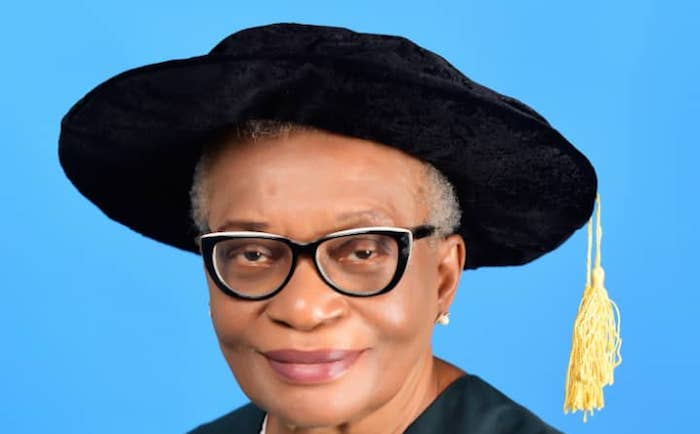
She served as Vice Chancellor of Cross River University of Technology (CRUTECH) from 2004 to 2009 and then went on to becomethe pioneer Vice Chancellor of the Federal University of Technology, Lafia, a brand new university, from 2011 to 2016.

That means she didn't just lead universities. She created the systems, structures and cultures that those institutions still run on today.
She is the first woman in Nigerian history to have served as Vice Chancellor at two different universities. A record that, as of now, only one other woman has come close to matching.
She also co-founded the Parasitology and Public Health Society of Nigeria and is still the chair of the Board of Trustees.
The Record That Took 44 Years to Break
The Nigerian Academy of Science was founded in 1977. For 44 years, every single president of that body was a man.
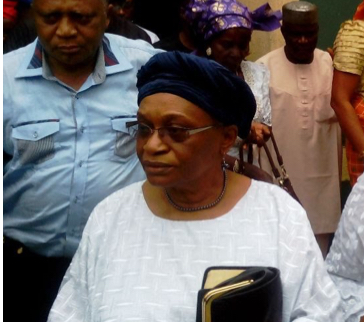
Then, in January 2021, Professor Ekanem Ikpi Braide walked in as the 19th president and the first woman to ever hold the role.
She didn’t need to campaign or even lobby. The Academy's own selection process, by her account, was straightforward.
She earned it the old-fashioned way: through a body of work so undeniable that the outcome was almost inevitable.
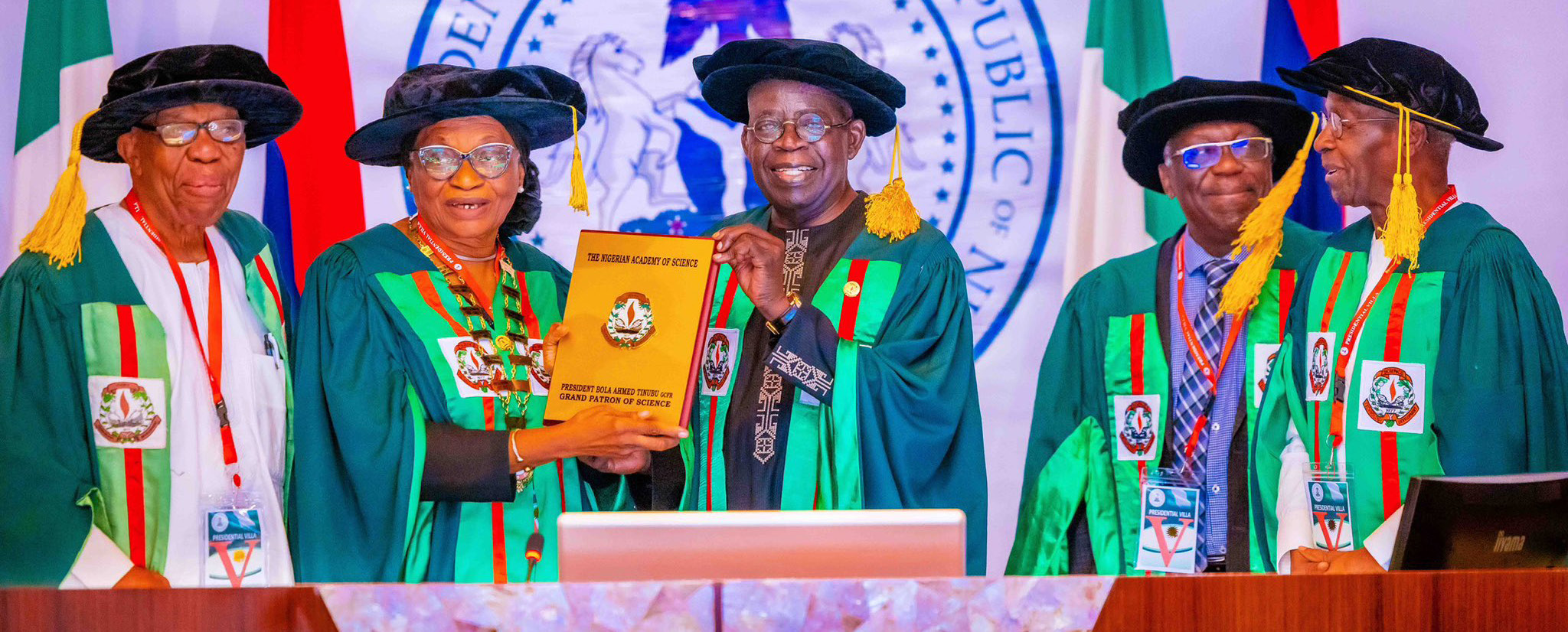
Her goal as president was to push science education deeper into primary and secondary schools, and to build environments where both boys and girls can thrive in STEM.
And, she is definitely not done yet.
Why She Matters Right Now
The conversation around women in science in Nigeria is louder than it has ever been but it often centers on young women just starting out, or on international figures whose paths feel impossibly distant.
Ekanem Ikpi Braide offers something different.
She is the proof that a Nigerian woman, working within Nigerian institutions, through Nigerian bureaucracy, on Nigerian soil, can reshape an entire country's public health landscape and still have enough left over to lead its most prestigious scientific body.
She was not handed visibility. She did not go viral. She just kept working, kept building, kept showing up, for 50 years, until the records had no choice but to include her name.
If you have never heard of Professor Ekanem Ikpi Braide before today, now you have. Tell somebody.