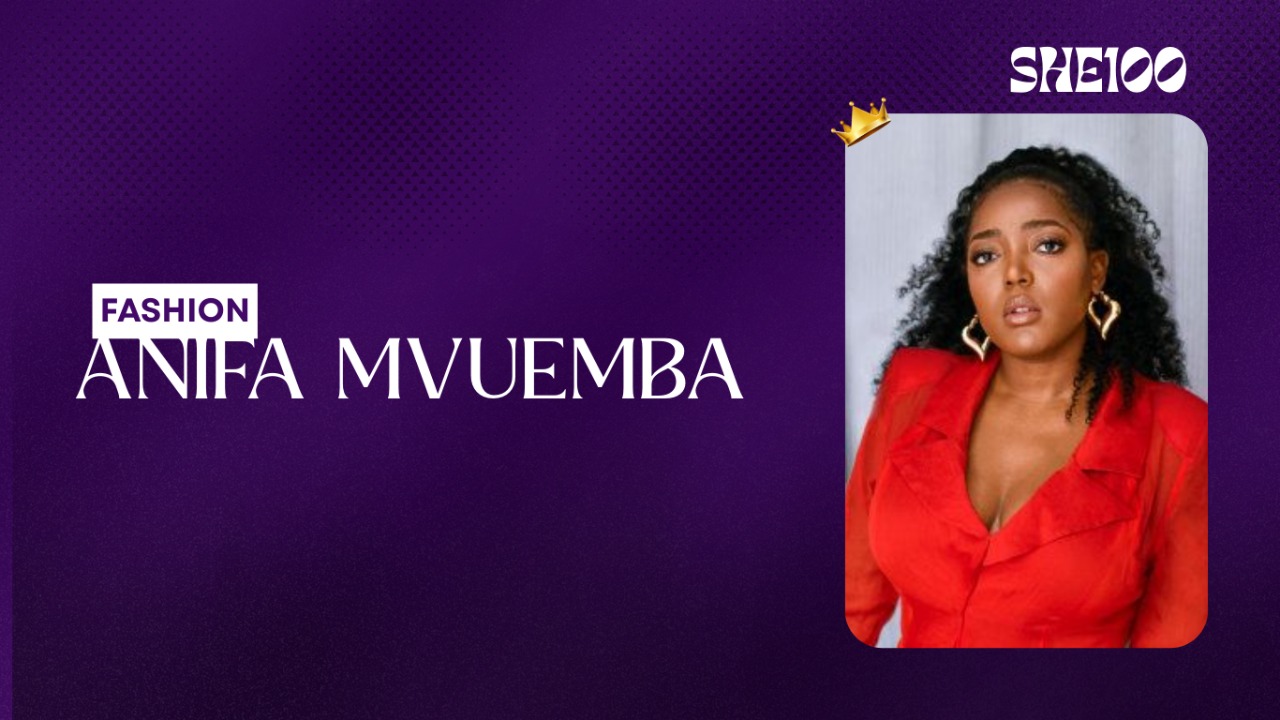
SHE100: Anifa Mvuemba, The Woman Who Turned an Instagram Live Into a Fashion Runway
In the spirit of celebrating Women’s Month, this SHE100 spotlight highlights how Anifa Mvuemba, founder of Hanifa, turned a bold 3D digital runway into a viral global moment during the COVID-19 pandemic, and pushed the fashion industry to rethink how collections can be presented.
The screen was empty.
No models, no runway, no audience. Just music and anticipation as thousands of viewers watched an Instagram Live, unsure of what would happen next. Then suddenly, a dress appeared. It moved down the runway as if worn by an invisible body, fabric rippling with every step.
In that moment, the fashion industry witnessed something it had never quite seen before.
In May 2020, Anifa Mvuemba, founder of Hanifa, unveiled a digital runway presentation that would ripple across the internet and through fashion history. What looked like a simple livestream was actually a technological and cultural shift.
During the uncertainty of the COVID-19 pandemic, when traditional fashion weeks had come to a halt, Mvuemba quietly demonstrated that innovation often comes from the margins of the industry, not the center.
Her show did more than present clothes. It told a story about heritage, resilience, and the future of fashion.
From Congolese Roots to a Global Vision
“At Hanifa we create for women without limits, I found that the 3D world gave me that and more.”
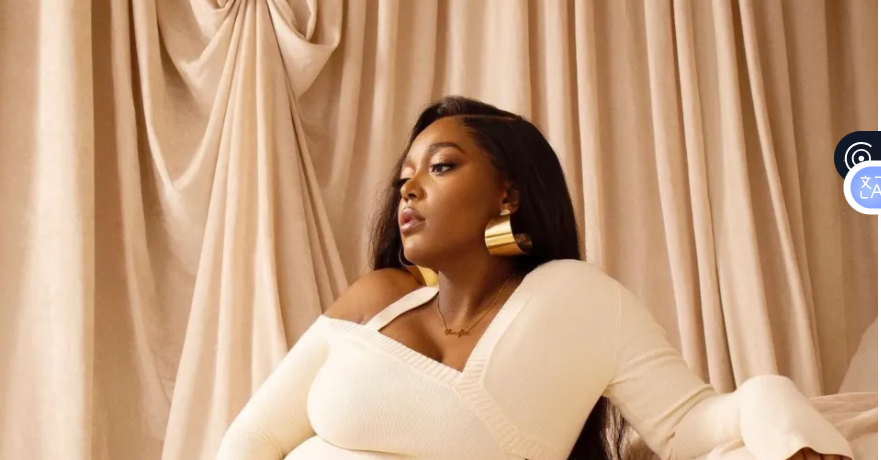
Anifa Mvuemba’s story begins long before that viral livestream. Born in Nairobi, Kenya to Congolese parents and raised in the United States, her upbringing sat at the intersection of cultures. That dual identity later became the backbone of her design philosophy.
In 2011, she launched Hanifa, initially focusing on contemporary womenswear that celebrated curves and bold silhouettes. The brand slowly built a loyal audience online, particularly among women who felt overlooked by mainstream fashion.
What distinguished Mvuemba early on was her instinct to use technology and direct-to-consumer platforms.
While many designers relied on traditional fashion gatekeepers, she was already cultivating a digital relationship with her audience. Social media became both her storefront and her runway.
That independence shaped her creative decisions. Instead of chasing approval from fashion capitals, she built a brand rooted in representation, accessibility, and cultural pride.
The Digital Runway That Changed Everything
When the pandemic shut down the global fashion calendar in 2020, most designers paused their plans. Mvuemba did the opposite.
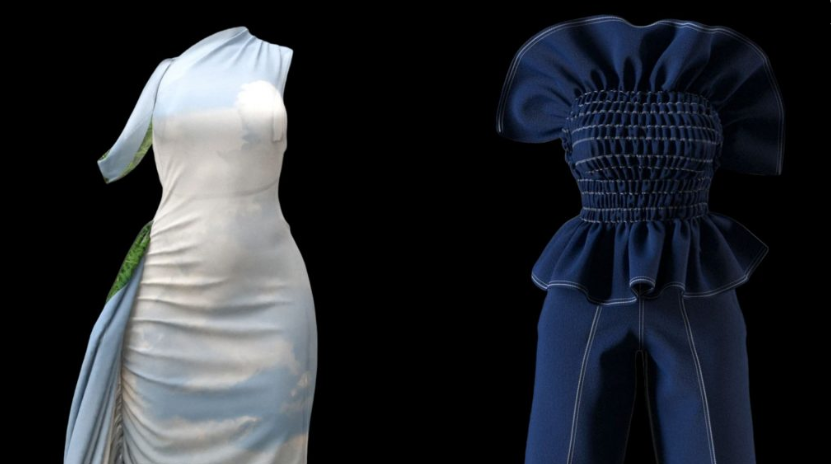
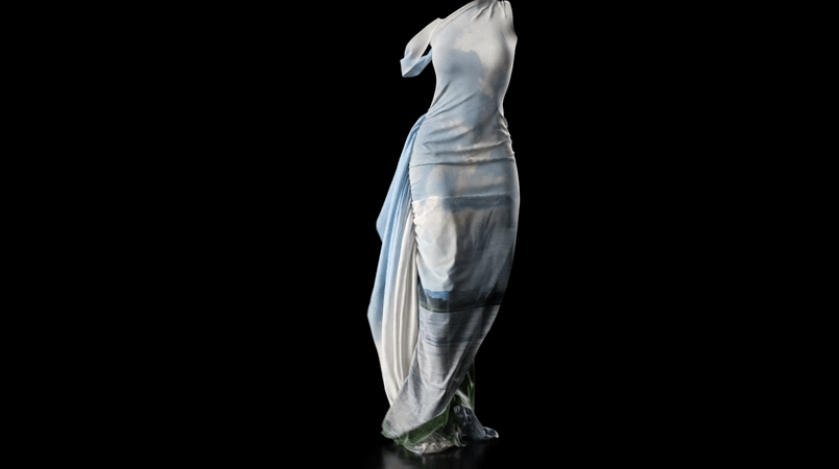
When her brand runway was cancelled at the last New York Fashion Week, her founder Anifa Mvuemba decided to turn it into a virtual one and stream it over Instagram Live, transforming each garment in a 3D image, and fitting and moving them onto the body of avatars.
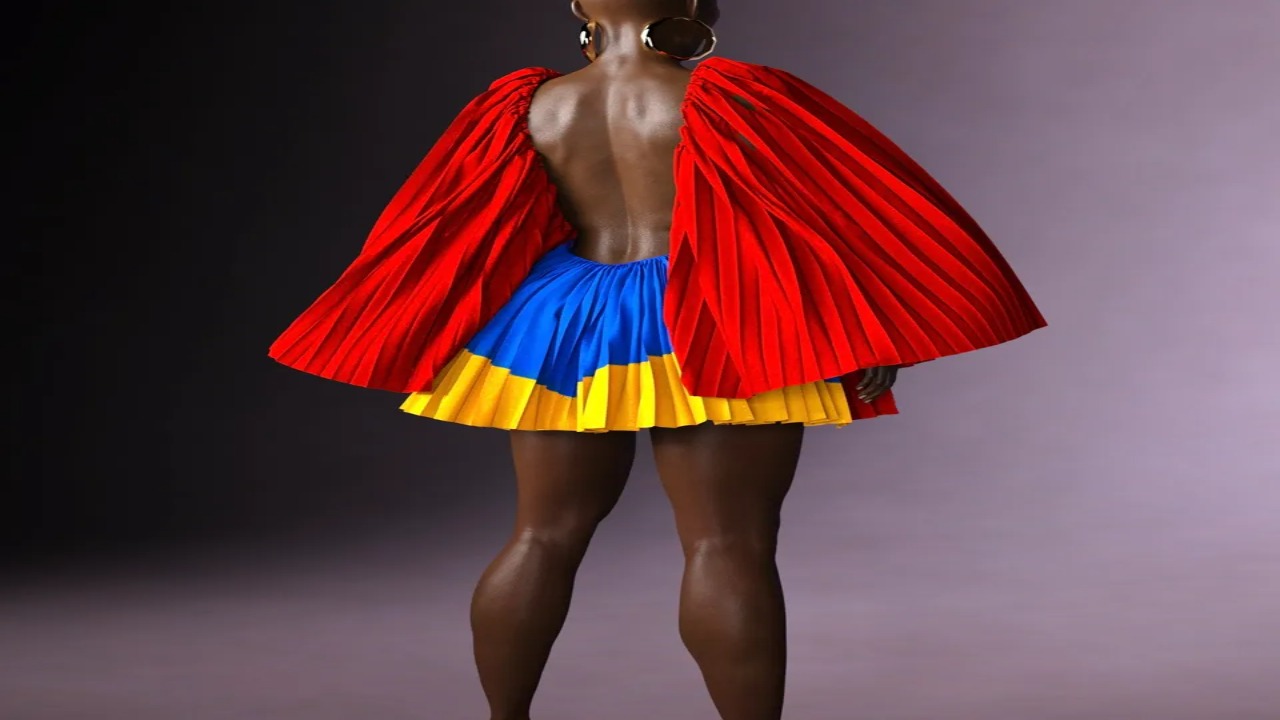
She debuted the Pink Label Congo collection through a fully digital runway show using 3D rendered models. The garments floated on invisible figures, walking through space with surprising realism. It looked futuristic, almost surreal, yet the clothes remained the star.
Within hours, the presentation spread across social media and fashion publications. Millions watched the replay. Industry insiders called it revolutionary. What made it powerful was not just the technology but the message behind the collection.
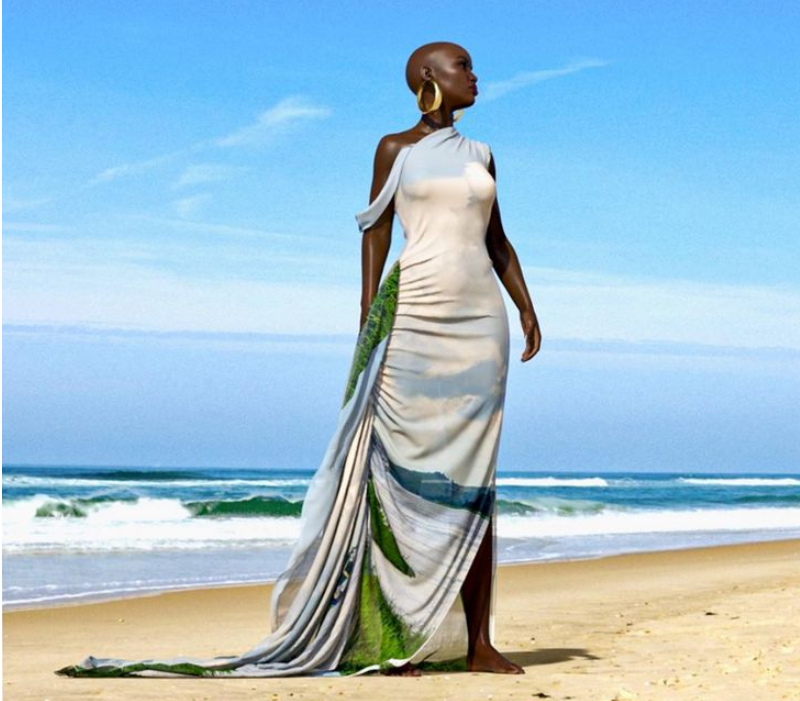
The show paid tribute to Congo’s history, particularly the economic exploitation tied to the country’s mineral resources. By pairing digital innovation with cultural storytelling, Mvuemba turned a fashion show into a moment of education and cultural reflection.

At a time when fashion felt stalled, she reminded the industry that creativity does not need a runway to exist.
Redefining Representation in Fashion
Fashion has long struggled with representation. Runways often celebrate a narrow definition of beauty and heritage. Mvuemba’s work pushes against that narrative.
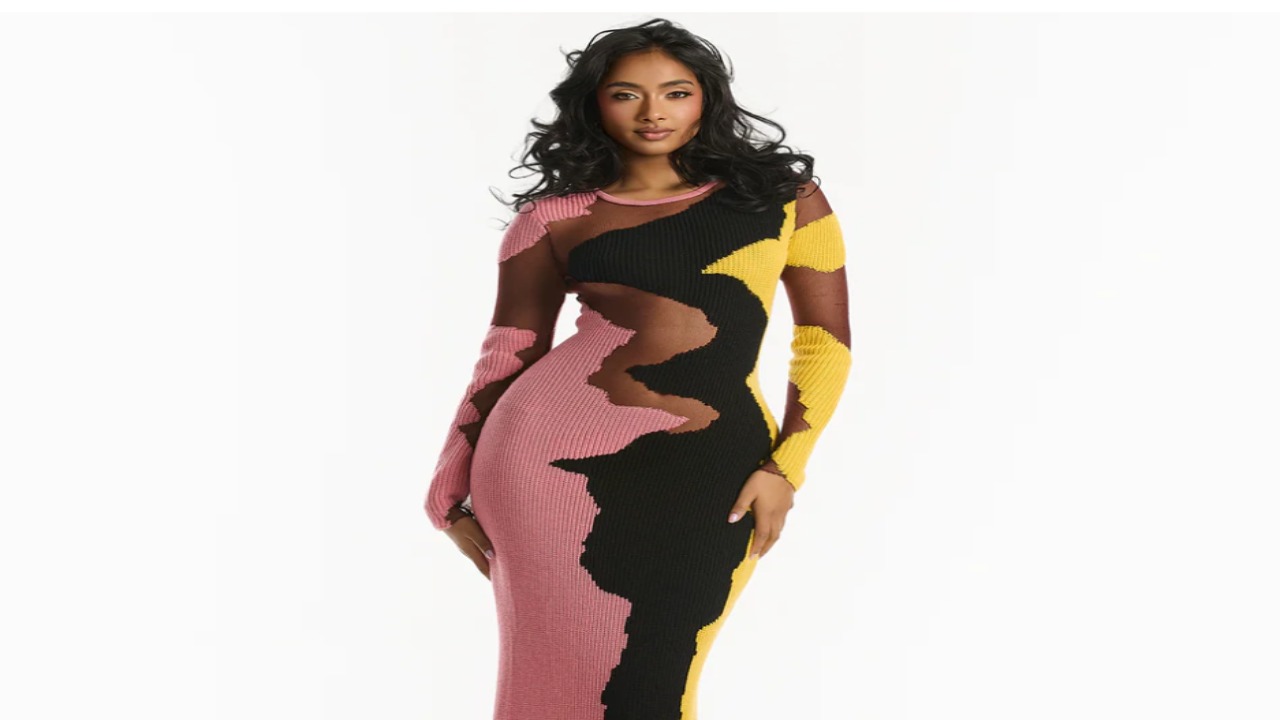
Her designs celebrate the female body without apology. Structured knitwear, vibrant colors, and sculptural silhouettes have become signatures of the brand. But beyond aesthetics, Hanifa stands for something larger.
Mvuemba consistently uses her platform to spotlight African heritage and global Black culture. Her collections often reference history, identity, and diaspora experiences. In doing so, she reframes fashion as more than clothing.
It becomes a cultural conversation stitched into fabric.
The viral 3D show amplified this message globally. For many viewers, it was the first time they encountered a designer merging African storytelling, digital technology, and contemporary fashion in such a striking way.
In 2021, her debut in-person fashion show "Hanifa Dream" was held at the National Portrait Gallery in Washington, D.C. That same year, she was named as an awardee of the annual CFDA/Vogue Fashion Fund, as well as the recipient of InStyle's Future of Fashion Award.
In 2022, two of Mvuemba's designs were included in "Those Who Dress Better", a fashion exhibit curated by Black Fashion Fair and the estate of Jean-Michel Basquiat.
In August of that year, she confronted fast fashion brand Fashion Nova for copying the design of her Jax Knit Gown, which resulted in the removal of Fashion Nova's version from their website.
In 2023, Hanifa debuted its first bridal collection in Middleburg, Virginia.
Mvuemba's garments have been worn by celebrities such as Beyoncé, Gabrielle Union, Ashley Graham, Sarah Jessica Parker, Tracee Ellis Ross, Issa Rae, Michelle Obama, Zendaya, Iman, Cardi B, Bella Hadid, Lizzo, Padma Lakshmi, Fantasia, Kylie Jenner, and Ciara.
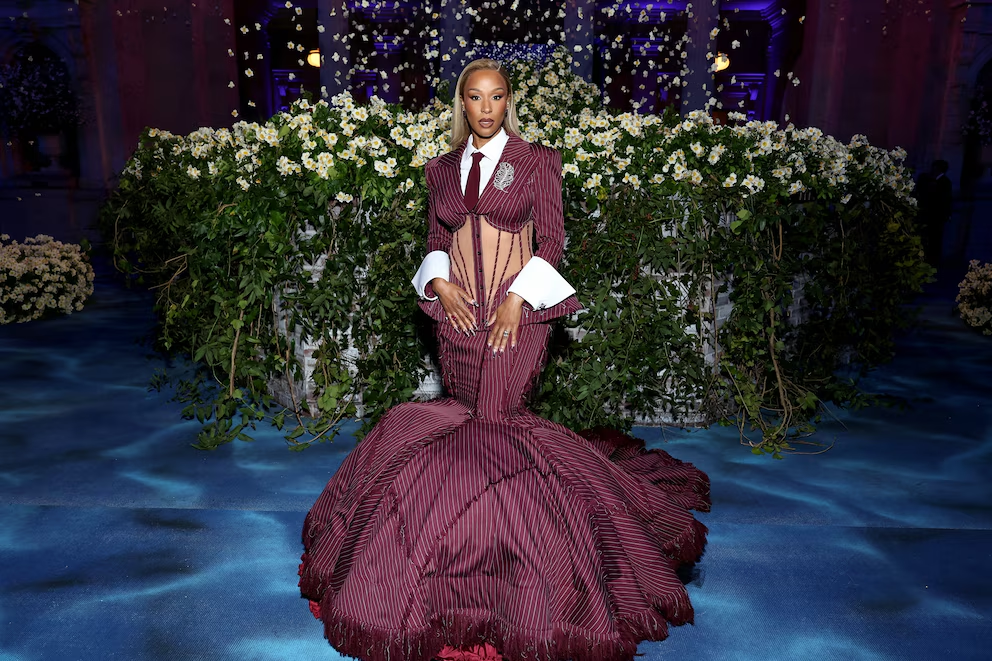
She additionally designed Savannah James' look for the 2025 Met Gala.
A Blueprint for the Future of Fashion
Today, the influence of that digital runway continues to echo across the industry. Virtual fashion shows, digital garments, and technology-driven presentations have become far more common. What once seemed experimental is now part of the fashion conversation.
Yet the deeper legacy of Anifa Mvuemba is not just technological innovation. It is the reminder that vision matters more than resources.
She did not wait for permission from the traditional fashion establishment. Instead, she trusted her instincts, her heritage, and the power of storytelling.
For emerging designers, especially women and creatives from underrepresented communities, her journey offers a powerful example. Fashion’s future will not only be defined in Paris or Milan. It will be shaped by voices willing to challenge the rules and imagine something new.
And sometimes, all it takes to change an industry is a runway where no one can be seen, yet everyone is watching.
As we mark International Women's Day and celebrate women throughout March, Anifa Mvuemba’s journey feels especially meaningful. Her story reflects the spirit of a month dedicated to recognizing women who challenge norms and expand possibilities.
Through creativity, courage, and a refusal to wait for permission, she has shown that women are not only shaping the future of fashion but also redefining how innovation, culture, and storytelling intersect on the global stage.