Rock Hall Drama: John Sykes Unpacks 2026 Inductions, 80s Dominance, and Mariah Carey's Shocking Snub!

The Rock & Roll Hall of Fame announced its largest induction class in nearly four decades on April 13, featuring 18 honorees, a number unsurpassed since 1987 when 22 artists were inducted. This year's distinguished class includes eight inductees in the Performer category, a record five in the Early Influence category, a near-record four in the Musical Excellence category, and one in the Ahmet Ertegun category. This marks the sixth consecutive year with 13 or more honorees, a significant shift from the single-digit inductions seen in the eight years prior.
John Sykes, who has served as chairman of the Rock & Roll Hall of Fame since 2000, has been the driving force behind these larger classes. In a discussion with Billboard, Sykes explained his rationale: "We’re still playing catch-up." He emphasizes a commitment to recognizing a backlog of deserving artists, many of whom are glaring omissions from the past and should have been inducted much earlier. Sykes, who also holds the position of president of entertainment enterprises at iHeartMedia, Inc., admits his Rock Hall duties are more extensive than anticipated but cherishes the opportunity to help deserving artists gain recognition, calling it "something that money couldn’t buy." He particularly values collaborating with the experts on the Hall’s four nominating committees.
The induction process involves a main nominating committee of 30 individuals for the Performer category and three specialized sub-committees, each comprising six members, for the Early Influence, Musical Excellence, and Ahmet Ertegun Award categories, with Sykes acting as the tiebreaker. These highly accomplished music executives and artists bring deep knowledge to the selection process. Sykes prioritizes a balanced representation of the sounds and genders that shaped rock & roll—including rhythm and blues, gospel, and country, as well as both men and women—to reflect the genre's diverse origins. He asserts that rock & roll has always been a diverse group of artists and sounds, a message he strives to convey to both fans and the industry.
The nomination journey itself is rigorous. Artists nominated in the Performer category are not considered by the special committees in the same year, though they remain eligible for special awards in future years, which assess not only their performance and songwriting prowess but also their influence on other artists and genres. The Hall endeavors to personally notify all nominees of their status. While good news sometimes leaks, Sykes ensures that those not inducted are encouraged, being told they are now "in the running" and part of the conversation. With 45 to 60 artists initially discussed by the nominating committee, and only 16 (or 17 this year) making the Performer ballot, simply being nominated is a significant accomplishment.
This year’s class also brought forth discussions on the evolving definition of "rock." The induction of Sade, on her first nomination, surprised some. Sykes, however, defended her inclusion by recalling her immense popularity and impact on MTV in the 1980s, where she appealed to young audiences alongside artists like Duran Duran, The Police, and Michael Jackson. The inevitability of "snubs" and surprises, mirroring other Halls of Fame, was also acknowledged. Sykes personally believed Mariah Carey, a three-time nominee, was deserving this year due to her genius and 18 No. 1 songs, but noted the democratic voting system, suggesting her enormous success might paradoxically work against her.
The Hall continues its effort to address historical omissions. Inductions of artists like Gram Parsons (died 1973), Ed Sullivan (died 1974), Linda Creed (died 1986), Fela Kuti (died 1997), and Jimmy Miller (died 1994) reflect a commitment to "play catch-up" with deserving figures from the past. While a Netflix documentary may have reminded people of Ed Sullivan's significance, his induction was already under consideration prior to its release, part of a strategy to honor inductees while they are still living where possible.
Sykes views his tenure not as widening the definition of rock & roll, but rather as a return to its original ethos: a "collision of rhythm and blues, gospel and country." He aims to remind people of rock & roll's foundational diversity, challenging the perception that it solely represents "white guys playing guitars." This perspective also influences induction trends. The current focus on '80s artists, including Billy Idol, Phil Collins, Iron Maiden, New Order, Sade, and Luther Vandross, is attributed to "modernizing the fleet" by incorporating younger voters to shine a light on a decade previously "leapfrogged." Sykes anticipates a similar focus on the '90s in future years, ensuring the Hall remains relevant by evolving with eligible music.
The recognition of hip-hop pioneers like Queen Latifah and MC Lyte as Early Influences (following Salt-N-Pepa’s induction) underscores the Hall's intention to honor artists who "sparked the world" and impacted culture, particularly those still living. Furthermore, the induction of Billy Idol’s long-time guitarist, Steve Stevens, alongside the solo artist marks only the second instance of a collaborator receiving this joint recognition (following Neil Giraldo with Pat Benatar). This suggests a potential future trend to acknowledge the crucial, sustained contributions of musical partners.
Sykes strongly affirms the democratic nature of the induction process, emphasizing that there are no quotas or "backroom politics." Decisions arise from passionate and intelligent debates among committee members, whose expertise he deeply admires. His dedication to the Rock Hall is unwavering, made possible by the unwavering support of iHeartMedia's leadership, including Bob Pittman and Rich Bressler. Sykes reiterates his immense pride in the deserving artists inducted, viewing his role as a "gift" to oversee a process that brings long-overdue recognition to music's most impactful figures.
Recommended Articles
Still Got That 'Your Love'! The Outfield's Classic Video Hits Billion Views Milestone 40 Years On

The Outfield's iconic 1980s hit "Your Love" has reached 1 billion views on YouTube, 40 years after its release, marking ...
Music Royalty Enters the Pantheon: Fela Anikulapo-Kuti and Sade Adu Honored with Rock & Roll Hall of Fame Induction!
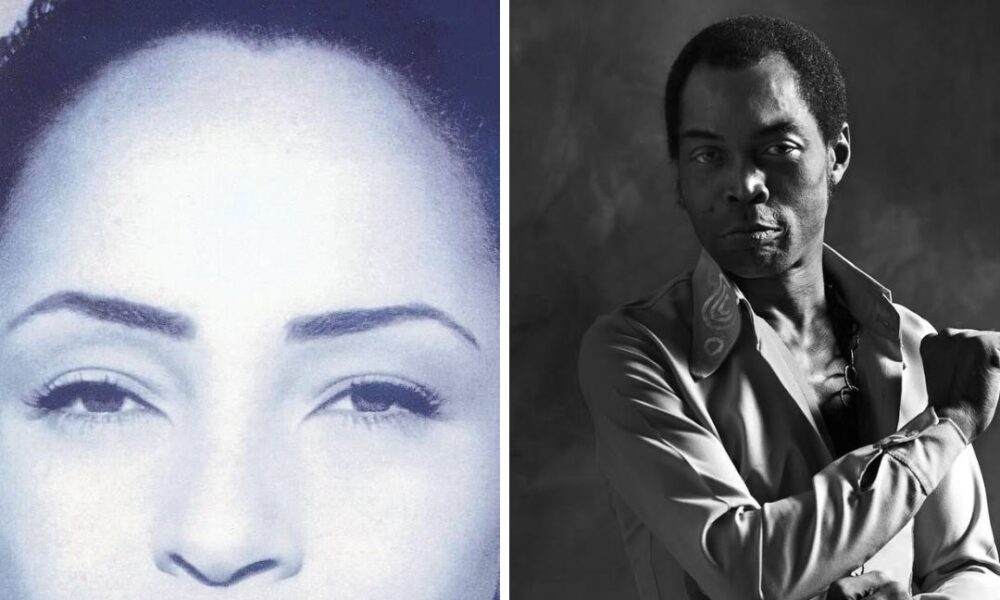
Sade Adu and Fela Kuti are among the latest inductees into the Rock & Roll Hall of Fame Class of 2026, celebrating Niger...
Duran Duran Reunites with Nile Rodgers for Electrifying New Track 'Free to Love'

Duran Duran is set to release a new disco-infused track, "Free to Love," continuing their celebrated collaboration with ...
Liam Gallagher's Triumphant 2026 Rock & Roll Hall of Fame Induction

Liam Gallagher has offered a characteristically humorous response to Oasis's 2026 Rock & Roll Hall of Fame induction, dr...
Rock & Roll Hall of Fame Class of 2026 Unveiled, Featuring Major Inductees Across Genres

The Rock & Roll Hall of Fame has announced its Class of 2026, honoring Ed Sullivan with the Ahmet Ertegun Award and indu...
You may also like...
Danger Zone! Tom Cruise Ready for 'Top Gun 3' as Maverick Sequel Soars Into Production

Tom Cruise and Jerry Bruckheimer are officially returning for "Top Gun 3," announced by Paramount at CinemaCon. This hig...
The Force Awakens! Star Wars Returns to Big Screen with Epic 'Mandalorian & Grogu' Footage at CinemaCon

The highly anticipated "The Mandalorian and Grogu" movie is set to debut on May 22, 2026, marking a significant return f...
Music Star G. Love Scammed Out of $400K by Malicious App: A Stark Warning for Artists!

Musician G. Love has publicly revealed the devastating loss of his entire Bitcoin retirement savings, amounting to appro...
Rock Hall Drama: John Sykes Unpacks 2026 Inductions, 80s Dominance, and Mariah Carey's Shocking Snub!
The Rock & Roll Hall of Fame celebrates its largest induction class in almost 40 years, with chairman John Sykes outlini...
Ayra Starr's Viral Performance: A Jennifer Hudson Showstopper
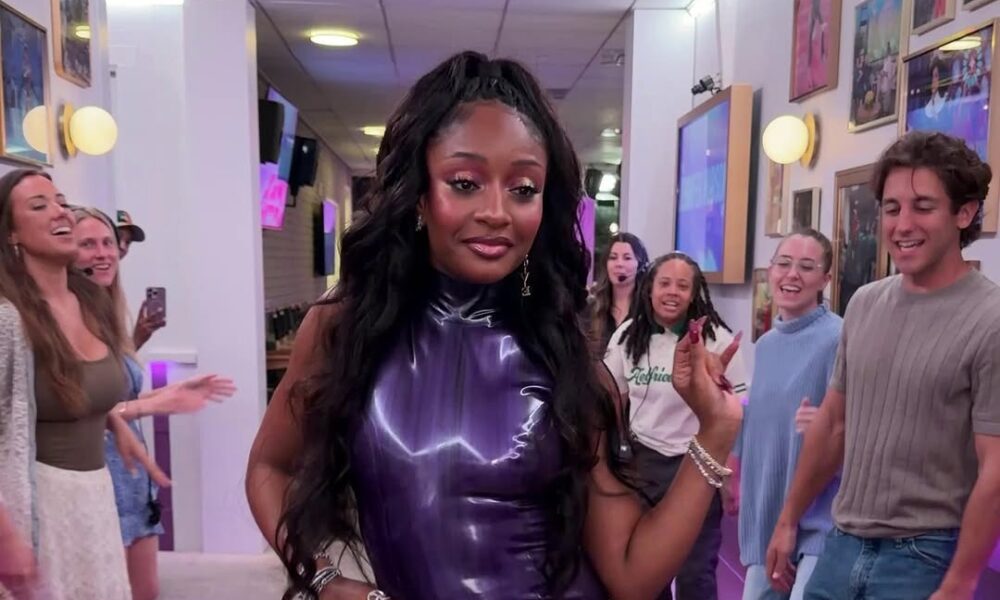
Ayra Starr captivated audiences with her show-stopping entrance on The Jennifer Hudson Show, featuring a confident strut...
Osas Ighodaro Joins Star-Studded Cast in New Global Action-Comedy 'Boyz Trip'
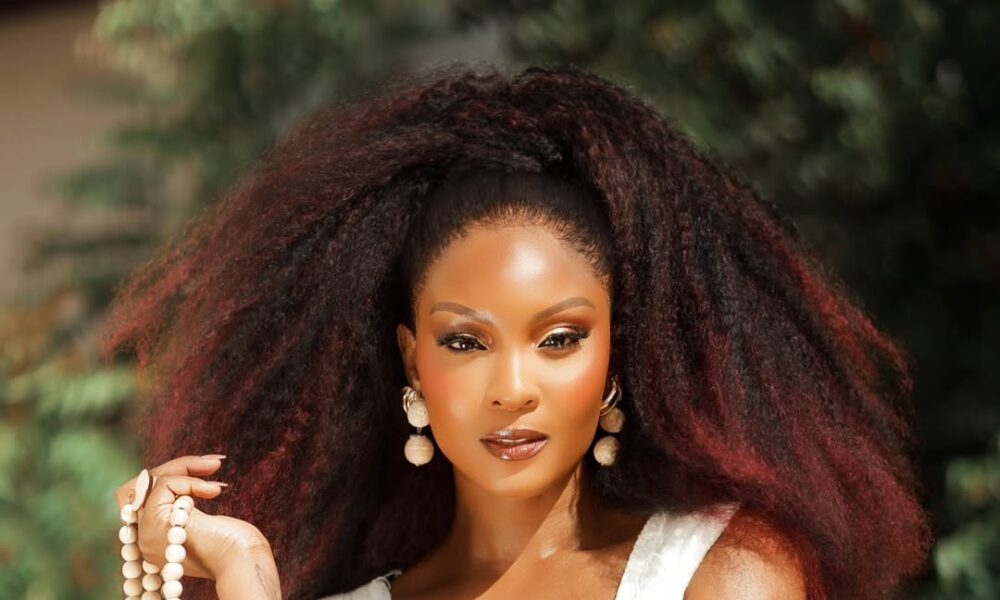
Nigerian powerhouse Osas Ighodaro has joined the cast of "Boyz Trip," a South Africa-set action-comedy currently filming...
MTN Nigeria Halts Key Services Amidst New Digital Lending Clampdown!

MTN Nigeria has temporarily suspended its Xtratime service to comply with the new Digital, Electronic, Online or Non-Tra...
Ayoba Messaging App Explodes: 1 Million Users in Just Four Months!

MTN's instant messaging platform, Ayoba, has rapidly achieved a milestone of 1 million active users within months of its...