Political Firestorm: ADC Accuses INEC of Sabotage Ahead of Crucial 2027 Elections

The African Democratic Congress (ADC) is embroiled in a severe leadership crisis, with Nigeria's Independent National Electoral Commission (INEC) at the center of accusations of deploying "administrative landmines" to hinder the party's participation in the 2027 general elections. This escalating dispute not only threatens the viability of a major opposition party but also raises profound questions about the integrity of democratic processes and the impartiality of electoral institutions in Nigeria.
The roots of the dispute trace back to July 29, 2025, when the erstwhile ADC Chairman, Ralph Okey Nwosu, resigned at a National Executive Committee (NEC) meeting and ratified a new National Working Committee (NWC) led by former Senate President Senator David Mark, with Ogbeni Rauf Aregbesola as National Secretary. This transition, which INEC officials reportedly monitored and subsequently acknowledged by uploading the new leadership's names on September 9, 2025, was swiftly challenged by Nafiu Bala Gombe, the Deputy National Chairman. Gombe claimed he should have succeeded Nwosu and denied resigning from his position on May 17, 2025, a resignation the Nwosu-backed group insisted was duly forwarded to and received by INEC by August 12, 2025. Notably, recent video evidence confirms Bala's attendance at the July 2, 2025, unveiling of the Mark-led leadership, though Bala later stated there was no prior agreement for the appointments and that Nwosu's actions contravened the party's constitution.
On September 2, 2025, Gombe filed a suit at the Federal High Court in Abuja (FHC/ABJ/CS/1819/2025), seeking to restrain the Mark-led leadership and compel INEC to recognize him as acting national chairman. In its response, INEC submitted a sworn affidavit on September 12, 2025, explicitly confirming that the Mark-led NWC was duly recognized and that the leadership transition was a "completed act" falling outside the scope of judicial interference. The Federal High Court, on September 4, did not grant an ex parte application but ordered that parties be put on notice.
Dissatisfied, the Mark-led group appealed the FHC's jurisdiction. On March 12, 2026, the Court of Appeal dismissed Mark's appeal as incompetent but issued a "preservatory order" directing all parties to "maintain the status quo ante bellum" and refrain from actions that could undermine the FHC proceedings. The court awarded N2 million in costs to the first respondent, Gombe. Despite this, the Mark-led group continued preparations for the 2027 elections, including membership registration, high-profile defections into the party (such as Peter Obi and Rabiu Musa Kwankwaso), and planned congresses and convention.
On April 1, 2026, INEC dramatically intervened, announcing it would no longer recognize either the Mark-led or Bala factions. Citing its interpretation of the Court of Appeal's "status quo ante bellum" order, INEC removed Mark's and Aregbesola's names from its portal, declined to receive any correspondence from the ADC, and refused to monitor party activities. This decision effectively put the ADC in administrative limbo, threatening its ability to meet critical Electoral Act deadlines, including the May 10 deadline for document submissions. The Mark-led group swiftly condemned this as an "administrative landmine" designed to prevent the party from fielding candidates.
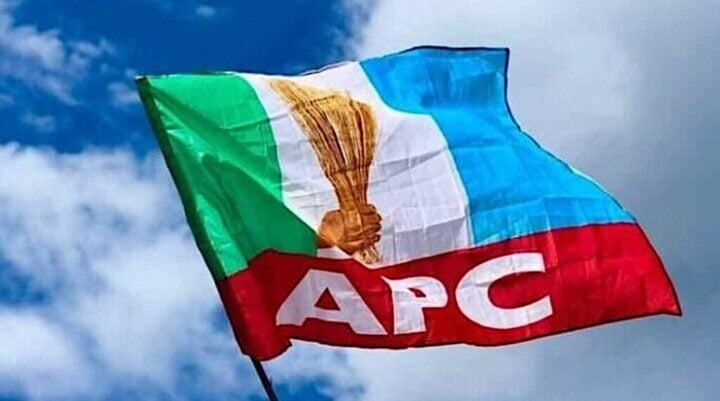
INEC's decision ignited a firestorm of criticism. The Peter Obi Media Office and the Obidient Movement warned of a "sinister scheme" by President Bola Tinubu and the ruling All Progressives Congress (APC) to deny Obi a platform in the 2027 elections. They alleged continuous government infiltration into Obi's former Labour Party and now into the ADC. Dele Momodu, an ADC chieftain, accused the APC of miscalculating by underestimating the potential for opposition unity and of attempting to weaken opposition parties. The ADC National Youth wing, supported by Civil Society Organisations, issued a 72-hour ultimatum to INEC to reverse its position or face nationwide protests, also demanding the resignation of INEC Chairman Professor Joash Amupitan, whom they accused of complicity and institutional sabotage.
Legal experts have also questioned INEC's interpretation. Mr. Oluwole Uzzi, a former INEC Director, stated his "reservations" about the commission's reading of the Appeal Court's ruling, arguing that the court did not instruct INEC to withdraw recognition but merely to preserve the legal process. Legal analyst Onikepo Braithwaite elaborated on the distinct meanings of "status quo ante bellum" (before hostilities) and "status quo ante litem" (before litigation). She noted that while INEC interpreted SQAB to be before the Mark-led group's emergence, which leaves a leadership vacuum as former Chairman Nwosu had also resigned, the Mark-led group argued SQAB should be their recognized leadership. Braithwaite highlighted the inconsistency between INEC's current stance and its earlier sworn affidavit affirming the Mark-led leadership as a "completed act." She stressed that INEC, as a party to the action, is bound by the court's ruling but questioned if leaving the party leaderless genuinely serves the "preservatory" intent, potentially stifling the party's functioning.
The crisis has broader implications, fueling fears that Nigeria is drifting towards a one-party state. Critics allege that the APC is using INEC and other agents to sabotage opposition parties, limiting choices for Nigerians in 2027. This undermines the democratic hallmark of competition and choice. The integrity of internal party processes, often criticized for being "cash and carry Special Purpose Vehicles," is also highlighted as a root cause of such disputes. While some opposition parties, including a PDP faction and the African Action Congress (AAC), have threatened to boycott the 2027 elections, experts warn this could be counterproductive, only easing a path for the ruling party.
The unfolding situation necessitates urgent clarity from the judiciary and a renewed commitment to impartiality from INEC. The ADC has urged the Appeal Court to provide a definitive interpretation of its "status quo ante bellum" order. The longer the uncertainty persists, the greater the risk that ADC's preparations and participation in forthcoming elections will be materially affected, not by a final judicial determination, but by the interim consequences of an unresolved dispute and a contested interpretation of legal directives. Ultimately, rebuilding public confidence and ensuring a level playing field are crucial for the health of Nigeria's democracy.
You may also like...
Heat's Playoff Hopes Dented: Miami Falls to Raptors, Faces Play-In Gauntlet for Fourth Time
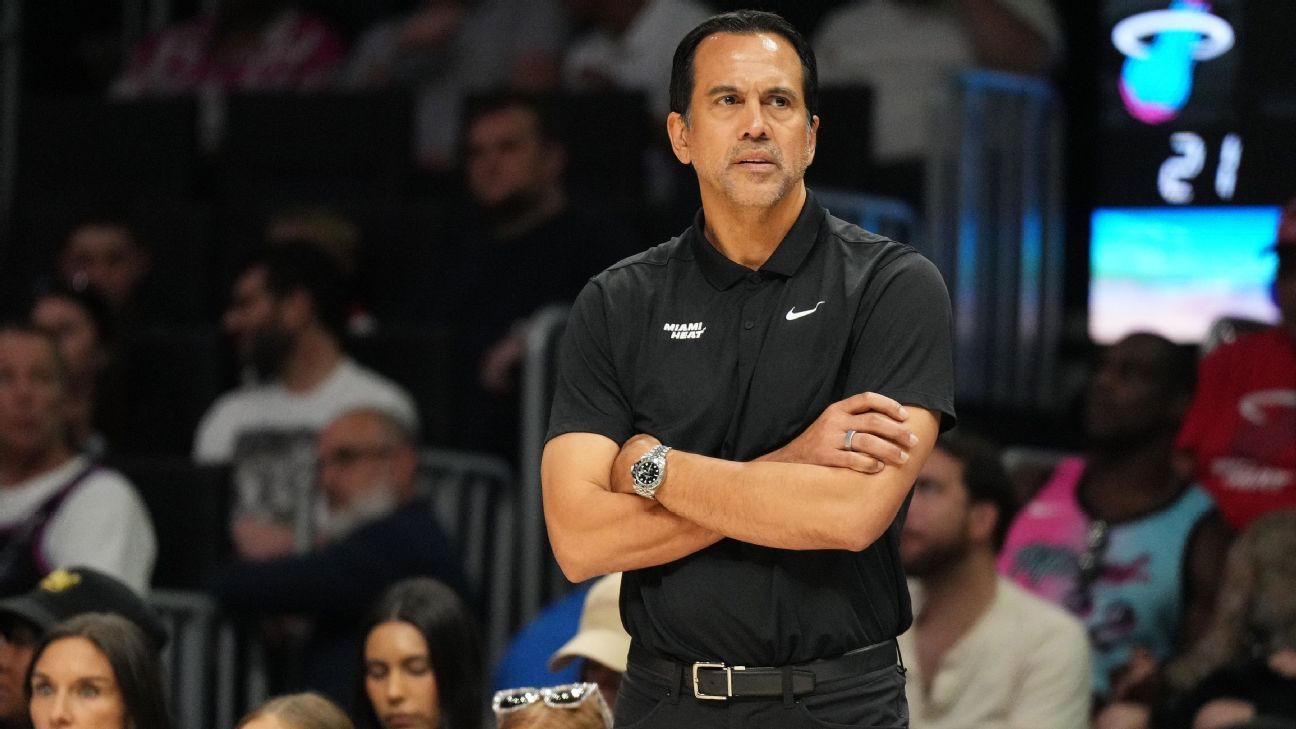
The Miami Heat are heading to the NBA play-in tournament for the fourth consecutive year, despite their expressed desire...
Wemby Scare: Spurs Star Victor Wembanyama Dodges Major Injury, Status Doubtful for Blazers Clash
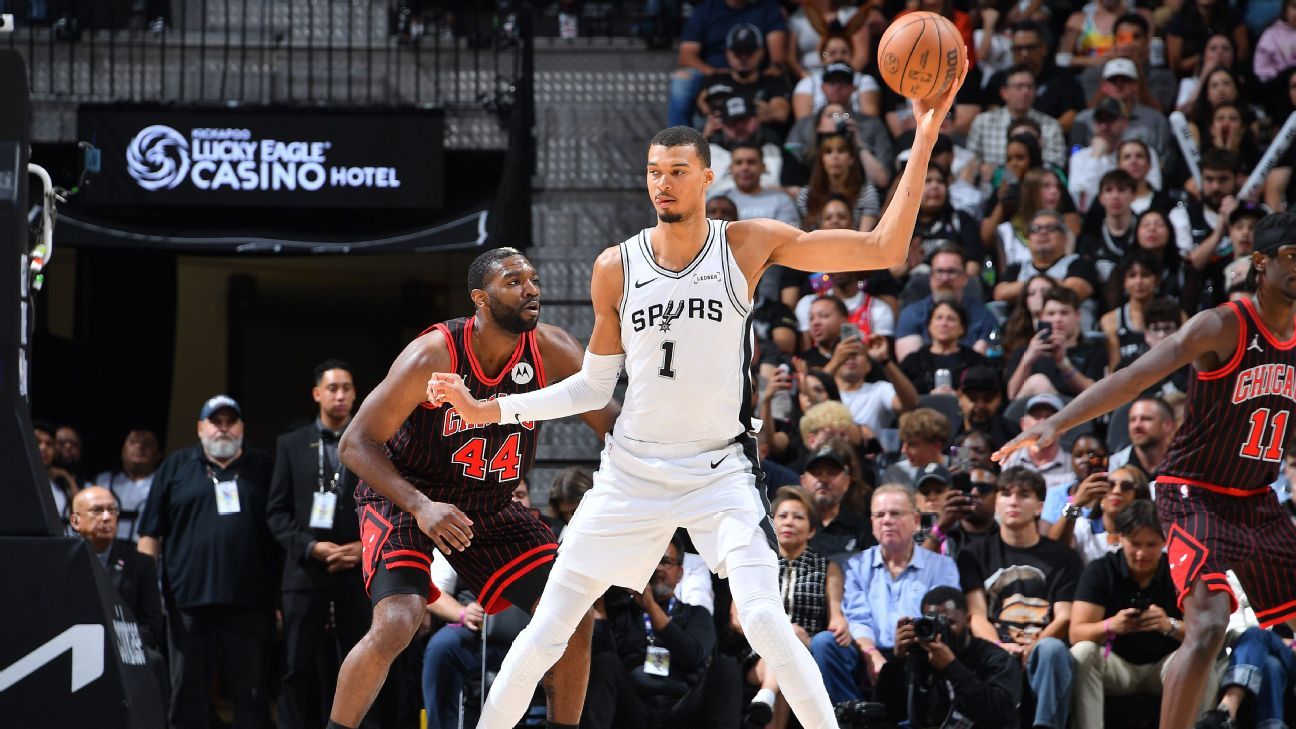
San Antonio Spurs star Victor Wembanyama is doubtful for Wednesday's game due to a rib contusion, but is expected to pla...
Shocking Revelation: 'Euphoria' Creator Sam Levinson Drops Bombshells on Angus Cloud Loss and Season 4's Fate

"Euphoria" Season 3 faced immense challenges, including the deaths of Angus Cloud and Eric Dane's ALS diagnosis, with cr...
Exclusive: Norwegian Horror Sensation ‘You’ve Been Chosen’ Secures Global Distribution Deal at Cannes

Blue Finch Films is set to represent Viljar Bøe's psychological horror film "You've Been Chosen" as its worldwide sales ...
Daredevil Stars Tease [SPOILER]'s Pivotal Impact on Season 3
![Daredevil Stars Tease [SPOILER]'s Pivotal Impact on Season 3](https://static0.colliderimages.com/wordpress/wp-content/uploads/2026/04/daredevil-born-again-season-2-charlie-cox-vincent-d-onofrio-interview.jpg?w=1600&h=900&fit=crop)
The new season of Daredevil: Born Again sees Charlie Cox and Vincent D'Onofrio return as Daredevil and Kingpin, explorin...
Wilson Bethel Unlocks Bullseye's Most Unhinged 'Daredevil' Episode
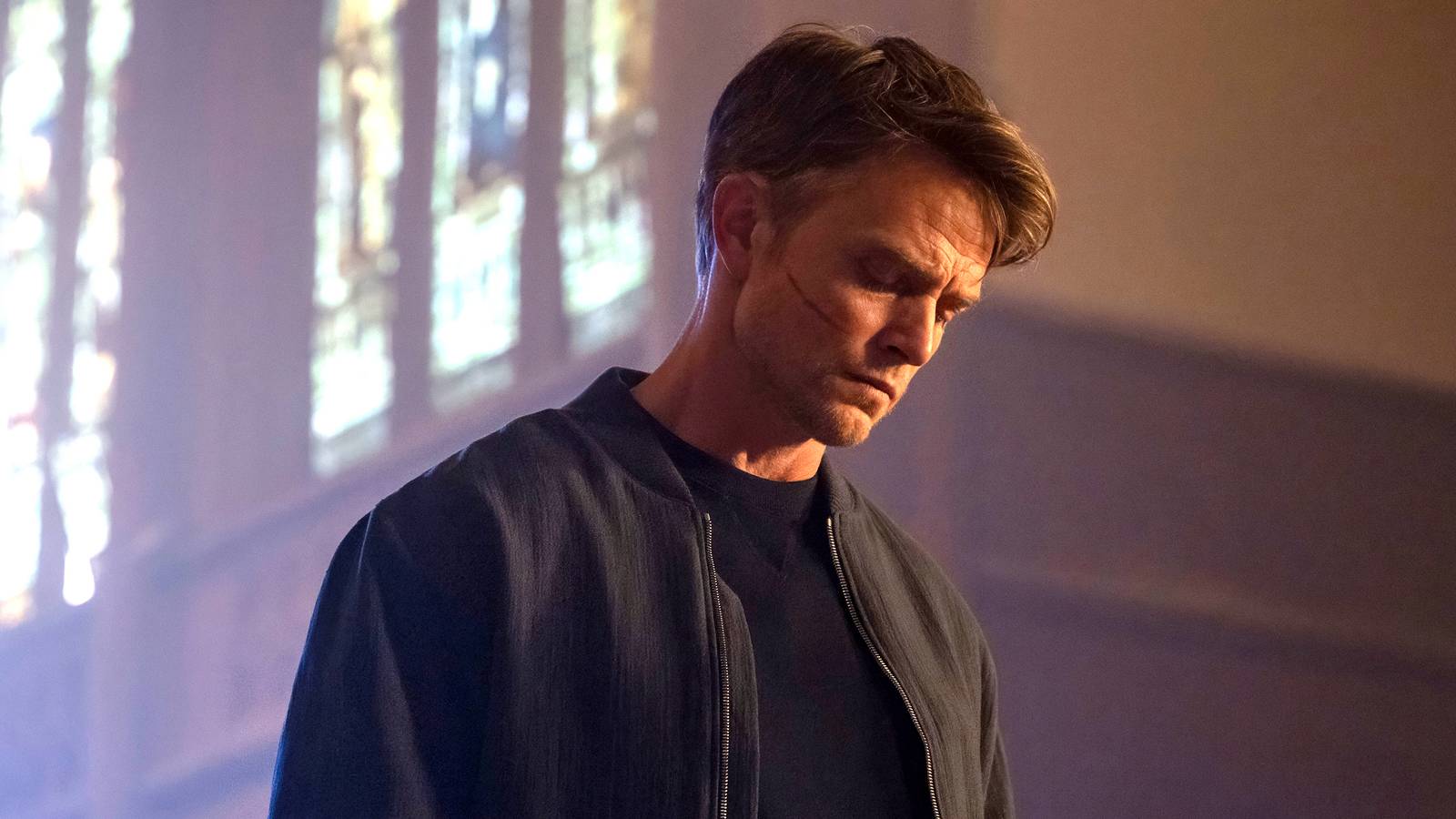
Wilson Bethel delves into the mindset of Bullseye in "Daredevil: Born Again" Season 2, Episode 4, revealing the villain'...
Freed! American Journalist Returns Home After Iraq Abduction, Militants Released in Swap

American freelance journalist Shelly Kittleson has been released in Iraq a week after her abduction by the Iran-backed K...
World Holds Breath: Trump Declares Two-Week Ceasefire, Strait of Hormuz Reopens Amid Iran War Tensions

President Donald Trump announced a two-week ceasefire with Iran, averting a threatened devastating attack just hours bef...