ADC Chieftain Backs Atiku’s Plan to Reopen Nigeria’s Land Borders
An ADC chieftain, Barrister Kenneth Imansuaghon, has backed Atiku Abubakar's proposal to reopen Nigeria's land borders, arguing it would boost trade and ease economic pressures. He also criticized the Tinubu administration's economic reforms, citing increased living costs and business struggles. Imansuaghon emphasized that border reopening would restore commerce, reduce prices, and create jobs.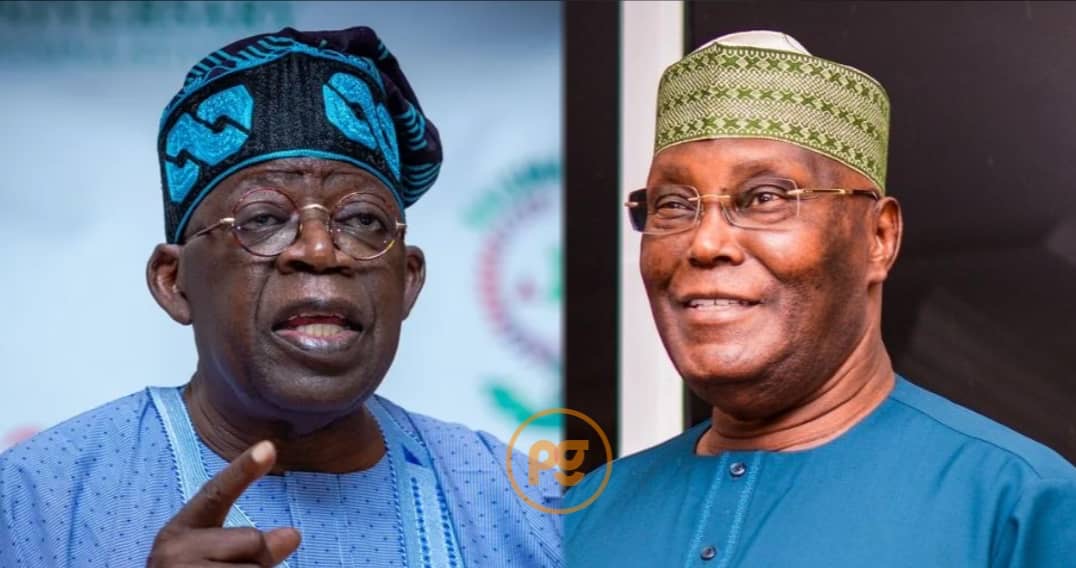
Barrister Kenneth Imansuaghon, an African Democratic Congress (ADC) chieftain and former Edo State governorship aspirant, has backed former Vice President Atiku Abubakar’s proposal to reopen Nigeria’s land borders with neighbouring countries.
Imansuaghon said reopening the borders with Benin Republic, Niger, Chad and Cameroon would restore legitimate cross-border trade, improve the movement of goods and create new economic opportunities for Nigerians.
He argued that stronger regional commerce could also help ease pressure on food prices and strengthen supply chains affected by insecurity and disruptions to domestic agricultural production.
Imansuaghon also criticised President Bola Ahmed Tinubu’s economic reforms, claiming they have increased the cost of living, placed pressure on businesses and contributed to job losses. He argued that several businesses have either reduced their operations or shut down entirely, while rising prices have made basic necessities increasingly difficult for households to afford.
According to him, reopening the borders would encourage investment, stimulate local businesses and allow greater competition in the supply of food and other essential commodities.
Imansuaghon pointed to challenges facing businesses, including Uber’s decision to exit Nigeria, as evidence of what he described as an increasingly difficult operating environment. His comments follow Atiku’s pledge to reopen Nigeria’s land borders if elected president in 2027 on the ADC platform, arguing that prolonged restrictions have disrupted legitimate businesses and weakened regional trade.
Atiku has said his proposed policy would facilitate the movement and importation of goods, while Imansuaghon maintained that an alternative economic approach is needed to address poverty, unemployment and the rising cost of living.