Pedro Pascal's Risky Reboot: Still Too Big for TV After 15 Years?
The 2011 NBC Wonder Woman pilot, starring Adrianne Palicki and Pedro Pascal, was an ambitious yet ultimately unaired project that envisioned a modern Diana Prince balancing superheroics, corporate leadership, and a secret identity. Despite its innovative take by creator David E. Kelley, critical reactions, a controversial costume, and unsuitable timing led to its cancellation, leaving behind a curious piece of superhero television history.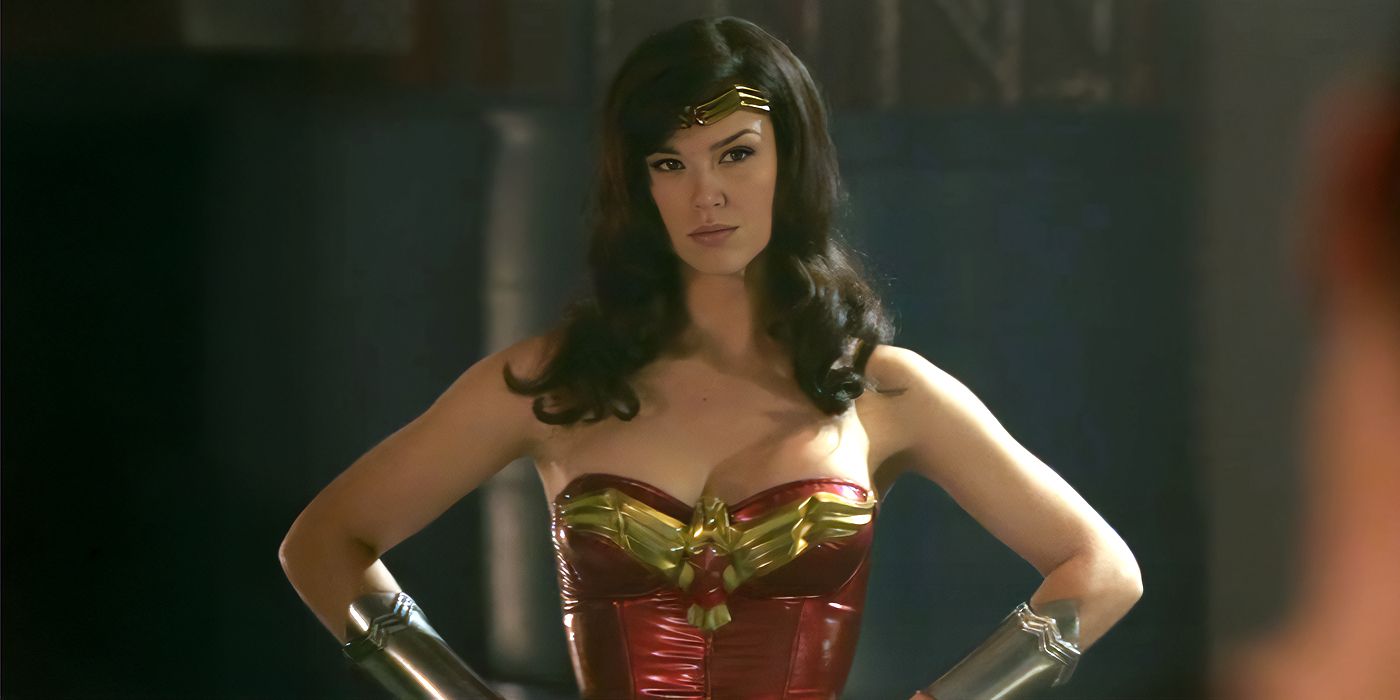
This has been 15 years, since NBC aired a pilot episode of Wonder Woman, but it's hard to believe that it actually existed, buried in an internet archive and spread around like a secret you thought was all in your head.
It wasn't a failure, and it wasn't even canceled; it just belongs in the realm of oddities.
In 2011, NBC wanted to make an episodic series based on Wonder Woman and commissioned a pilot.
Adrianne Palicki was cast as Wonder Woman/Diana Prince, while David E. Kelley created the show to make an entirely new original story from the ground up.
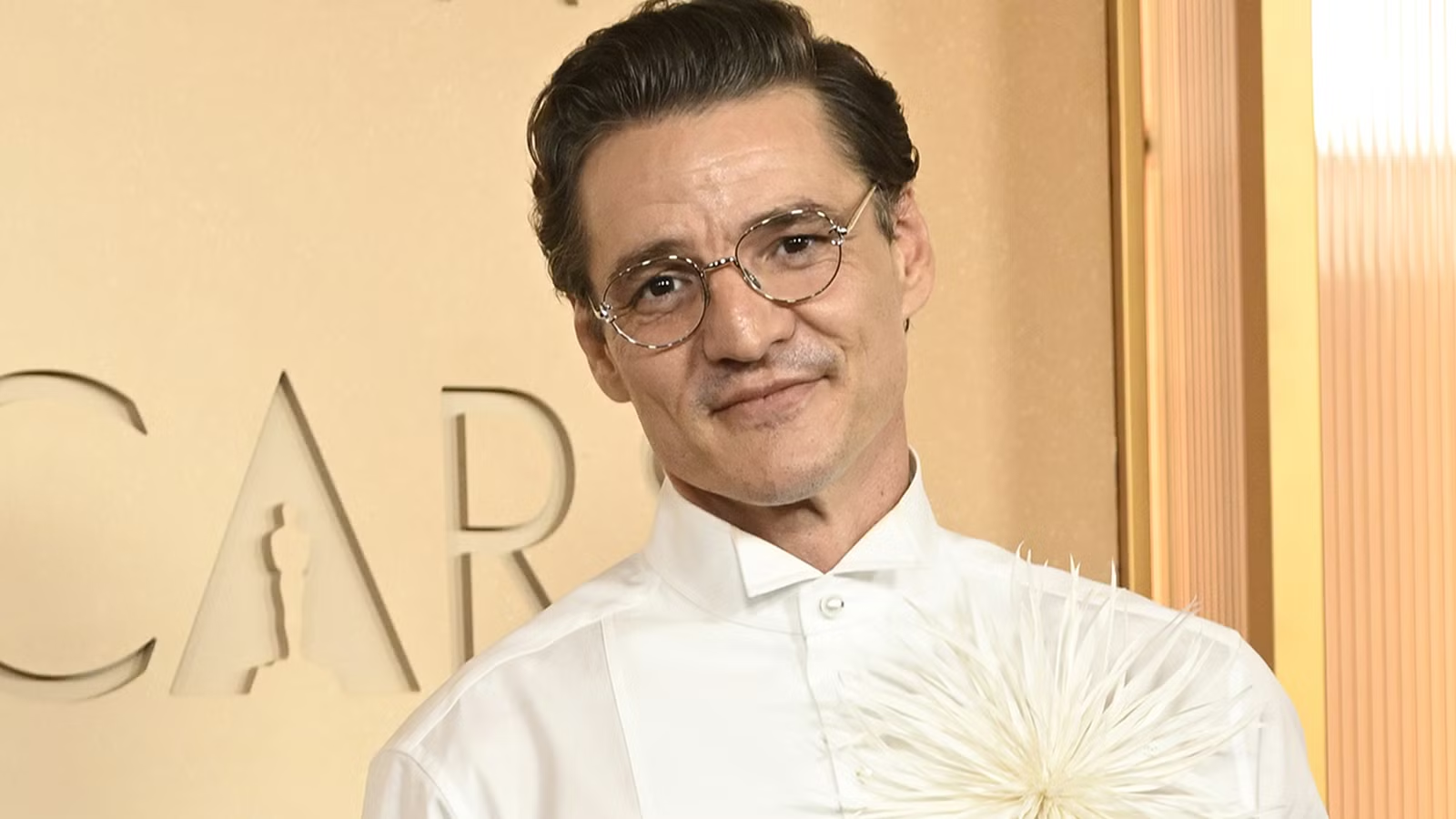
This complete story had great scope, contained ambition, and starred Pedro Pascal, yet it still didn’t make it past the gate.
There’s a version of this pitch that sounds like a guaranteed hit, as a modern Wonder Woman operating out of Los Angeles, juggling crime-fighting with corporate leadership, all while trying to maintain some shred of a personal life.
Diana is a superhero, but she’s also the CEO of Themyscira Industries, a multinational company that actively commodifies the Wonder Woman image.
Branding, merchandising, public image control are all baked into the premise, and then, layered on top of that, she creates a third identity, Diana Prince, so she can sit at home, watch movies, and pretend she’s not a global symbol.
The show leans into moral gray areas, too. This isn’t a clean-cut hero story as Diana bends the rules, uses intimidation, and occasionally crosses lines that feel more like vigilante justice than traditional superhero ethics.
Kelley’s fingerprints are all over it, legal drama energy bleeding into capes and lasso territory. It sounds like something you’d expect to see on streaming now; back then, it might’ve just felt like too much at once.
NBC rejected the pilot in May 2011. There was no single reason, but early reactions weren’t great because critics said the tone felt uneven, sometimes too serious, sometimes too exaggerated.
Even writer David E. Kelley later admitted it had problems, though he believed it could have worked with some changes.
The new suit worn by Adrianne Palicki also got a lot of backlash, and some fans didn’t like the redesign, and others felt it didn’t match the original character.
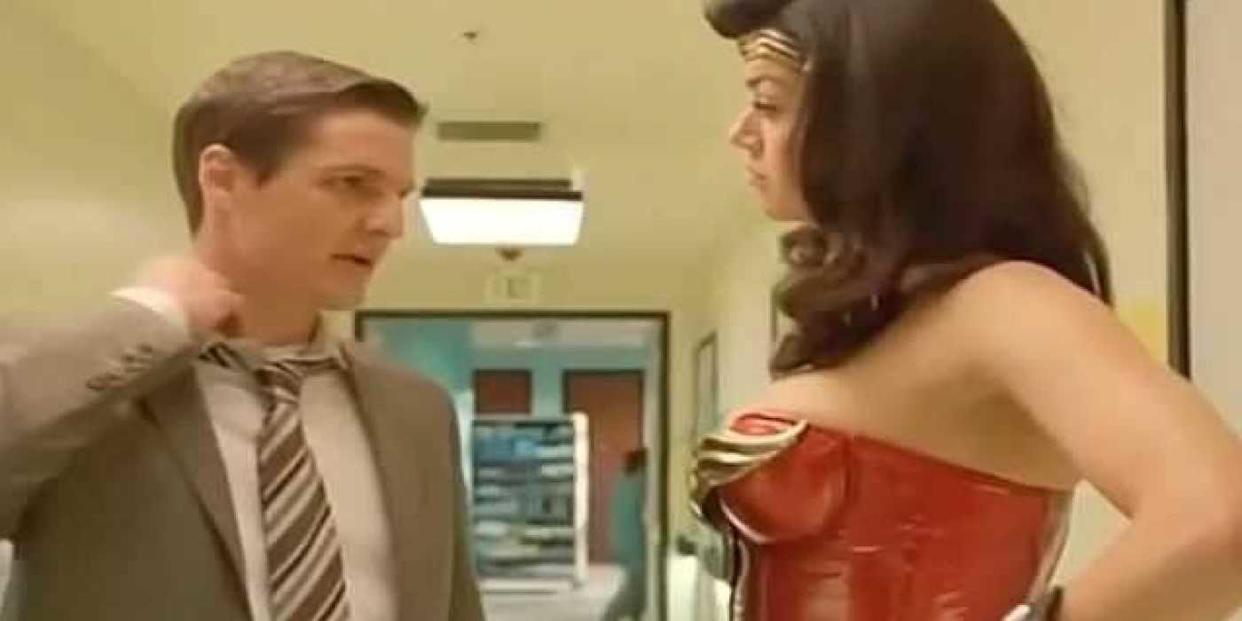
Warner Bros. even changed the costume during filming, which suggested things weren’t going smoothly.
The timing also hurt the show, and in 2011, superhero TV wasn’t very popular yet, and streaming hadn’t changed the industry.
The mix of superhero action, drama, and satire felt too risky for NBC, but later, Palicki said it might have worked if it had been released a year or two later.
Pedro Pascal later said the 2011 Wonder Woman pilot was a “risky and interesting” project, and he was sad it didn’t get picked up.
The show didn’t try to copy the old 1975 Wonder Woman or follow the later big movie style. Instead, it tried something different and bold, which made it unique but also may have caused it to fail.
Looking back, people now see it as an interesting “what if.” If it had worked, it could have changed how DC made its TV shows.

Instead, it was never released as a full series and is now mostly remembered by fans online.