Palm Royale Showrunner Dishes on 'Much Darker' Season 2 Death
"Palm Royale" Season 2, Episode 6, introduces a shocking twin twist, with Kristen Wiig playing both Maxine and her long-lost sister, Mirabelle. This discovery quickly turns tragic with Mirabelle's murder, propelling the series into a darker, psychological thriller inspired by '60s hag movies. Showrunner Abe Sylvia explains how this dramatically raises the emotional stakes, forcing Maxine into a profound identity crisis and grief.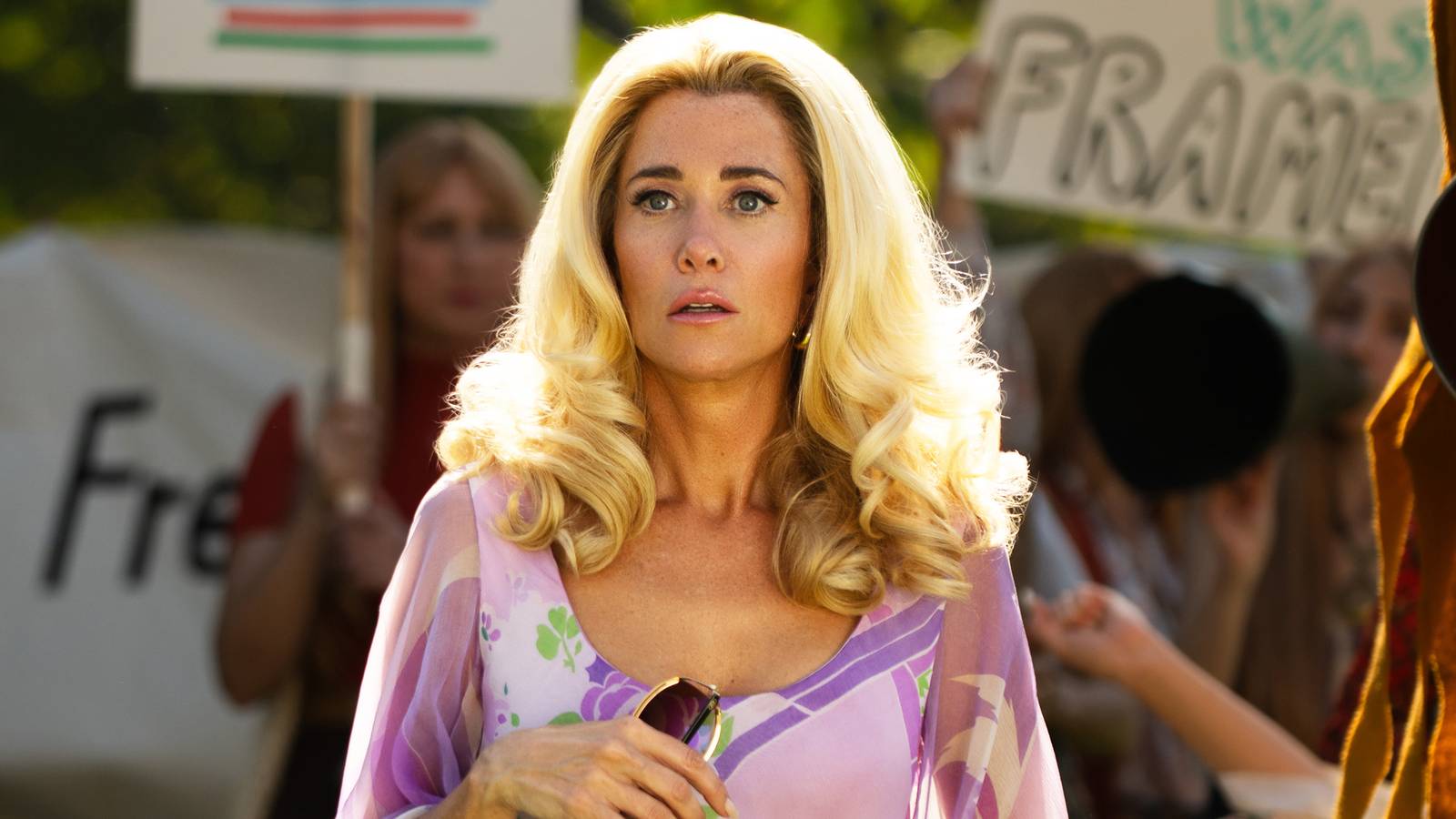
Palm Royale Season 2, particularly its sixth episode titled “Maxine Finds Herself,” has dramatically reshaped the narrative direction of the acclaimed soap opera comedy. Showrunner Abe Sylvia, in an exclusive interview with Collider, elaborated on the pivotal twin twist that sees Kristen Wiig’s Maxine Delacourte confront her long-lost sister, Mirabelle, also portrayed by Wiig. This shocking revelation reframes Maxine’s past and challenges her very identity, especially given that Mirabelle was raised by the parents who had abandoned Maxine.
The genesis of this significant plot development, according to Sylvia, stemmed from a brainstorming session in the writers’ room focused on exploring what Kristen Wiig and her character, Maxine, would do in such a unique predicament. The central question was: "If our show is about identity and how women define themselves, and we have this character, Maxine, who’s never known her family, so she has to invent this idea of herself to survive, what if Maxine actually did find some family? And who are those people? And would she even want to be them?" This internal struggle forms the emotional core of the episode, pushing Maxine to confront a version of herself she might not want to be.
However, the emotional stakes are profoundly elevated by a swift and brutal turn of events. Just as Maxine begins to grapple with the newfound sibling relationship, Mirabelle is tragically murdered while dressed as Maxine, her body discovered floating in the Delacourte pool. This mistaken identity is more than just a plot device; it signifies a deliberate and necessary tonal shift for the series, transitioning into darker, more psychological territory. Sylvia explained that Mirabelle's "tragic end" was inspired by his affection for ’60s "hag movies," a genre of dark, glamorous thrillers like "Whatever Happened to Baby Jane?" and "Hush… Hush, Sweet Charlotte," which expertly blend camp with menace.
The decision to have Wiig play opposite her own "mirror reflection" and then orchestrate Mirabelle's murder serves to dramatically raise the emotional stakes for Maxine. It forces her into a profound period of grief and an intense reckoning with her own identity, fulfilling Sylvia's vision that "All of our characters are going to end up in a place that they never imagined for themselves emotionally." This cruel twist, as Sylvia describes it, not only aligns with the ’60s thriller genres the show is exploring but also deepens Maxine's character arc, pushing her into uncharted emotional territory.
Beyond the dramatic twists, Sylvia also touched upon the show's broader thematic balance. He highlighted a poignant line from Maxine in Episode 4: "If a woman falls and no one catches her, does no one hear her cry?" Sylvia views this as the show's thesis, embodying its sharp feminist social commentary. He emphasized the ongoing challenge of balancing such biting commentary with the series' signature absurdity, visual extravagance, and wild genre shifts, ensuring the show remains "fun to watch" while delivering meaningful reflection. He credits the exceptional talent of actors like Wiig and Carol Burnett, who are masters of genre blending—from noir to musical comedy—for enabling "Palm Royale" to explore all these facets simultaneously.