Owning December: How Smart Brands Turn Festive Vibes Into Profit
December isn’t just festive, it’s profitable. Learn how brands turn Christmas emotions, promos and bonuses into unforgettable visibility and record-breaking sales.

By the time November yawns and stretches into its last week, every brand in the world starts acting a little bit like Santa.
Suddenly, colours turn red and green, timelines fill with jingle-filled ads, and even the most serious bank starts posting “festive” reels. It’s not just vibes. December is a strategic playground where smart companies squeeze out extra visibility, sales, and loyalty before the year ends.
Let’s step inside that world for a moment.
Imagine a Nigerian brand like Gino. For most of the year, it’s just part of the regular shopping list: stew on Sunday, jollof on public holidays, quick weekday dinners. But in December, everything shifts. Supermarket aisles suddenly carry “Christmas Combo Packs” with Gino tomato mix, seasoning, and oil in festive packaging. Suddenly, Gino is not just an ingredient. It’s a December tradition.
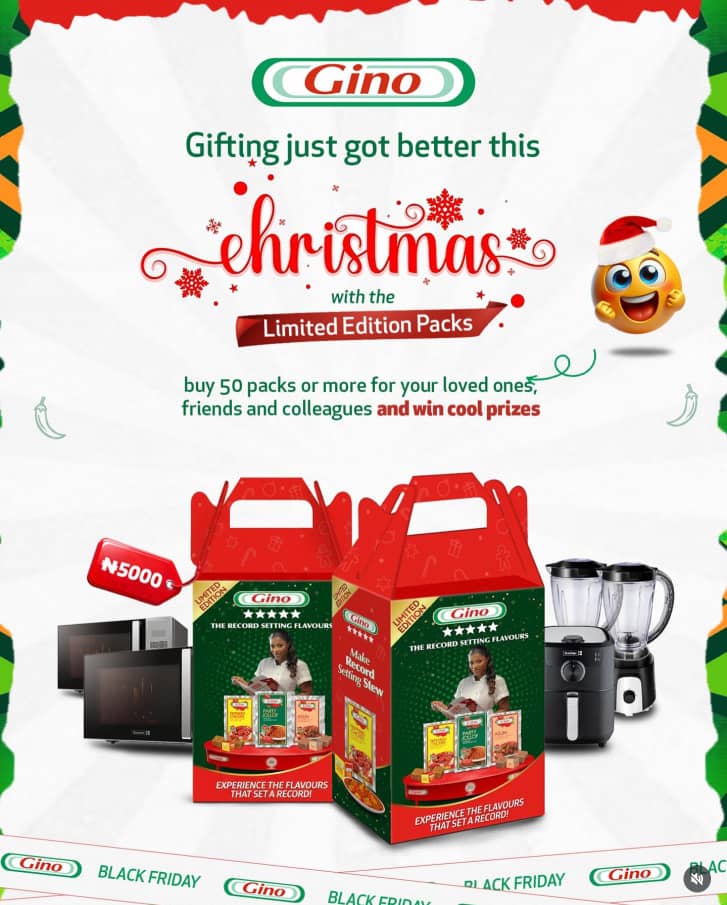
That is exactly what big and small companies are trying to do: turn one normal month into a stage where their brand doesn’t just sit on the shelf, but becomes an unforgettable part of how people celebrate.
December: When Attention Is Already Switched On
Imagine a street in early December. Lights everywhere. Stores stay open a little later. People are scrolling more, shopping more, planning more. The truth is, customers come into December already in “yes mode.” They are expecting to spend: on gifts, trips, food, outfits, gadgets, subscriptions.
Smart companies don’t create the energy of December; they ride it.
They launch themed campaigns: “12 Days of Deals,” “Holiday Countdown,” “Year-End Clearance.” They repaint their usual message with a seasonal twist. A normal discount becomes a “Christmas Special.” A basic email reminder turns into a “holiday greeting from our family to yours.” The message is the same, but the mood is different, and mood sells.
Across digital channels, this shows up in very intentional ways. Social media feeds turn into mini-festivals of giveaways, behind-the-scenes videos, and “Christmas wish” posts.
Even boring transactional emails like receipts get tiny touches of personality: “Thanks for shopping with us this holiday season.” Brands know that every interaction is a chance to reinforce, “We’re part of your December story.”
Offline, malls and stores become content sets. Branded photo booths, decorated pop-up stands, in-store games, and Christmas soundtracks all push one idea: stay longer, feel good, and while you’re here… buy something. When attention is already switched on, every extra second you hold it can turn into revenue.
SUGGESTED READ | IJGB SEASON: DECEMBER IN AFRICA AND THE REUNION OF THE CONTINENT.
The Psychology Behind December Sales
December taps into powerful emotions: nostalgia, generosity, and the desire to “end the year well.” Brands know that when people feel emotional, they are more likely to act, share, and talk.
So companies lean into that.
They tell stories instead of just pushing products. A phone is no longer a phone; it is “how you’ll stay close to family this Christmas.” A meal isn’t just food; it’s “the memory everyone will talk about next year.” By connecting products to moments, brands make their offers feel personal, not just transactional.
There is also social pressure at play. People don’t want to show up at a family gathering empty-handed. They don’t want to be the one friend who “forgot” to get something. Brands quietly step into that anxiety and present themselves as the solution: simple gift guides, “for him / for her” suggestions, ready-made hampers, gift cards. They are not just selling items; they are selling relief from decision stress.

And because everyone is in a hurry, limited-time offers become even more effective. “Ends December 24” suddenly feels urgent. People think, “If I don’t get it now, I’ll miss it for the whole year.” That mix of emotion and urgency is December’s secret sauce.
There is also the “gift to self” phenomenon. After a long year, many people feel they deserve something nice. That is why brands run “treat yourself” campaigns right beside family-focused ones. The same person who buys gifts for others is also a potential buyer for something that celebrates their own hustle and survival through the year.
Brand Visibility: Owning a Moment in Time
December is also one of the best months for brand visibility. People are online more, at home more, and sharing more. Brands invest heavily in:
Holiday-themed content that is funny, emotional, or both.
Collaborations with creators who show how they use the product during the holidays.
Community activities like charity drives, food donations, or gift projects.
Every one of these moves is about being seen in the middle of the noise. When users post “My Christmas haul” or “What I got this holiday,” companies want their logo to appear in that picture, that story, that TikTok.
User-generated content becomes gold. When a customer unboxes a gift on camera or shows their decorated living room featuring a certain brand’s product, that’s free advertising with emotional weight. Marketers often design campaigns that encourage this naturally: branded hashtags, “share your tree and tag us,” or “show us how you celebrate with our product.” The more people share, the more the brand dominates the December conversation.
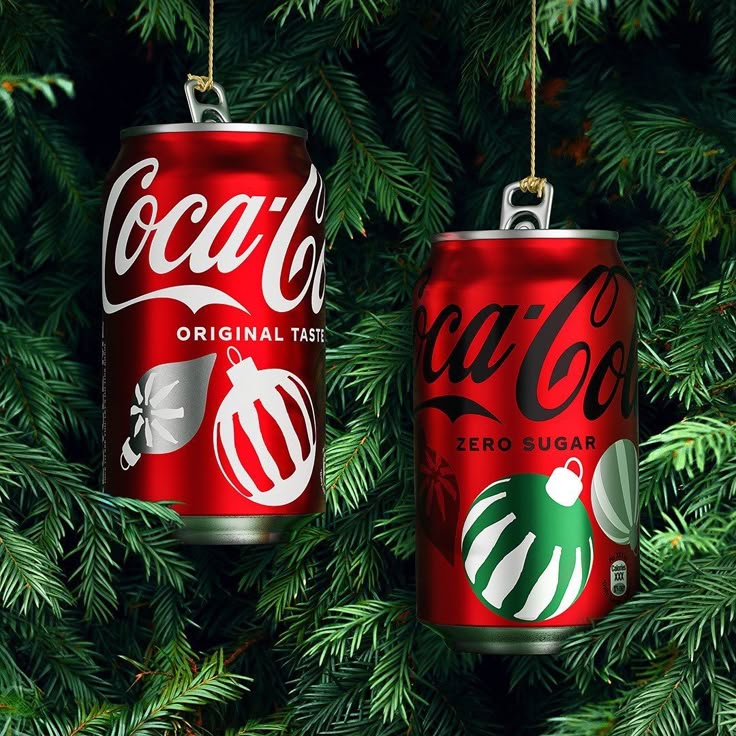
Even if someone doesn’t buy this year, they might remember the brand next year. December is not only about short-term sales; it’s also a big stage for long-term brand memory. That is why many companies also release heartfelt holiday videos that aren’t aggressively selling anything. They just want to be remembered as warm, caring, and human.
Why So Many Brands Give a Christmas Bonus
Now let’s switch scenes: from customers to employees.
Picture the same company on December 20. The office is decorated. There’s probably a small party. And then HR announces the Christmas bonus.
On the surface, it seems like a simple “thank you” for the year’s work. But it is also a powerful business strategy.
A bonus boosts motivation. December is a natural moment to look back. If the year was tough, that extra pay feels like recognition. If the year was good, it feels like shared victory. Employees think, “This company sees me.” That emotional connection can reduce staff turnover and make people more willing to give their best again next year.
It also acts as an internal marketing campaign. When employees feel valued, they become brand ambassadors without even trying. They speak better about the company, defend it during criticism, and treat customers with more patience and care. In service-based industries, that attitude difference is huge.
A Christmas bonus can even influence performance in the new year. People start January less stressed about debts from festive spending. With that mental space, they can focus better at work. A well-timed bonus is not only about generosity; it’s also about protecting the company’s future productivity.
It helps the brand’s reputation too. People talk. They tell friends, tweet, post on LinkedIn or WhatsApp: “We got our Christmas bonus today!” That quietly shapes the company’s image as a caring place to work. A strong employer brand attracts better talent, which leads to better work, which leads to better products and happier customers. It’s a chain reaction.
There is also a flip side. When a company that used to give bonuses suddenly cancels them without explanation, the emotional damage can be serious. Staff may not complain loudly, but trust drops.
That is why wise brands treat the Christmas bonus as part of their identity, not just a random gift. If they need to adjust it, they communicate clearly, respectfully, and early.
The timing of the bonus is strategic as well. Paying it before the holidays keeps energy high at the end of the year. Some businesses tie it to performance, using it as a way to say, “Your effort directly impacted our results.” Others prefer a flat bonus to avoid unhealthy competition. Whatever the structure, the message is the same: “We win together.”
It aligns with the December narrative of generosity. When a company gives bonuses while also asking customers to buy more, the message is consistent: “We are celebrating success together.” That balance matters. If a brand only takes, it feels greedy. If it gives as well, it feels human.
So yes, Christmas bonuses are kind, but they are also strategic. They build loyalty inside the company, which reflects outside the company.
The Year-End Sales Rush
December is also the final lap of the financial year for many businesses. There are targets to hit, inventory to clear, and numbers to polish before the annual report is printed.
That’s why you see:
Massive clearance sales to move old stock and make space for next year’s releases.
Bundle deals where companies package multiple items together at a “festive” price.
Special financing or payment plans to help customers say yes more easily.
Every campaign is designed to do two things at once: hit sales goals and grow brand love. If December is handled well, the company can start January with stronger numbers, cleaner warehouses, and a bigger customer base.

For e-commerce brands, this period is like a marathon sprint. They handle spikes in web traffic, last-minute orders, and customers who suddenly remember they need “just one more gift.” Logistics teams become heroes in the background, racing to deliver packages before Christmas or the New Year. When they succeed, customer trust skyrockets. When they fail, complaints echo loudly across social media.
Even after Christmas Day, the rush does not completely die. There are Boxing Day and year-end sales, people spending gift money, people returning items and exchanging them for something else. Smart companies plan for this entire wave, not just the first big hit.
December as a Story, Not Just a Month
The smartest brands don’t treat December like a discount festival. They treat it like a story arc.
The build-up starts with soft, emotional content at the end of November. Then excitement grows with early-bird offers, pre-orders, or teasers. Mid-December is the peak: heavy ads, strong promos, intense visibility. After Christmas, the tone shifts: “Thank you for an amazing year,” followed by last-minute year-end deals for people using holiday money or gift cards.
In that story, the customer is the main character. The brand is the guide, the sidekick, the helper that makes their festive plans smoother, happier, more special.
That’s the real skill: knowing how to place your brand in someone else’s December story without being annoying or fake.
Good storytellers in marketing think about characters, conflict, and resolution. The character is the customer. The conflict might be last-minute shopping stress, tight budgets, or distance from loved ones. The resolution is where the brand steps in: fast delivery, fair pricing, digital services, or products that bring people together. The more clearly a company can script this journey, the more naturally customers move from seeing an ad to making a purchase.
How Smaller Brands Can Play the December Game
All of this might sound like it belongs to giant corporations with huge budgets, but smaller brands can leverage December in powerful ways too.
A local fashion brand can host a “holiday try-on live stream” on social media, answering questions in real time. A tech startup can send heartfelt thank-you messages to users, sharing milestones they reached together during the year. A small restaurant can introduce a limited holiday menu and encourage people to share their favourite dishes online.
The key is not to copy big companies but to understand the same principles: attention is high, emotions are strong, and people want meaningful experiences. With creativity and consistency, even a tiny brand can become a December favourite in its niche or community.
The Magic Formula
So when you look at December as a business month, it’s not just twinkling lights and catchy jingles. It is a calculated mix of:
Heightened attention and spending.
Emotion-driven storytelling.
Aggressive but creative promotions.
Internal loyalty moves like the Christmas bonus.
A clear narrative that ties the whole month together.
Companies that win in December are the ones that blend heart and strategy. They understand that behind every sale is a human being trying to make the end of their year feel a little more special.
They study what worked the previous year, what content got shared the most, what offer converted best, and what feedback customers gave after the rush. They refine, test, and improve. In other words, the magic of December is not accidental. It is designed.
And if they can make that happen – for customers and employees – they don’t just win December. They set themselves up for a stronger, louder, and more memorable new year.