Okonkwo Fuels Subsidy Debate: Tinubu Misrepresented Atiku's Petrol Plan
Former Vice-President Atiku Abubakar's 2027 presidential campaign faces scrutiny over his petrol subsidy proposal, with spokesperson Kenneth Okonkwo clarifying the plan. Okonkwo refuted President Bola Tinubu's criticism, explaining Atiku's 'Fuel Affordability Plan' (AFAP) aims to ensure affordable petrol through local refineries, contrasting it with past corrupt subsidy regimes. The debate highlights differing views on economic policy and fuel pricing in Nigeria.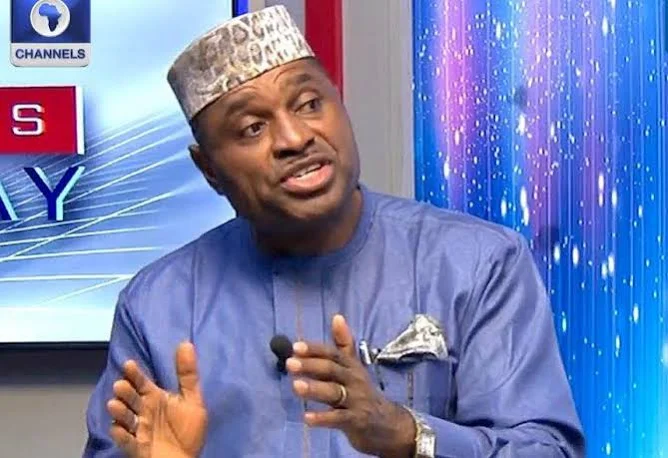
Kenneth Okonkwo, spokesperson for former Vice-President Atiku Abubakar's 2027 presidential campaign, has clarified Atiku's recently proposed petrol subsidy policy, asserting that President Bola Tinubu had misconstrued its intent. Okonkwo, an actor-turned-politician, dismissed suggestions that Atiku aimed to reintroduce Nigeria's past 'corruption-ridden' subsidy regime, emphasizing that Atiku's plan is a meticulously considered strategy to ensure affordable petrol for Nigerians.
The controversy began when Atiku, speaking in Hausa to an African Democratic Congress (ADC) media group, announced his intention to restore petrol subsidy if elected president in 2027. He also accused the Tinubu administration of failing to account for funds saved following the removal of the petrol subsidy. This statement ignited significant public reaction, with critics pointing out an apparent contradiction with Atiku's 2023 election manifesto, which reportedly advocated for subsidy removal.
President Tinubu responded to Atiku's proposal by stating it demonstrated 'serious ignorance of governance and economy,' noting the financial struggles states faced before his administration, particularly concerning salary and pension payments. However, Okonkwo strongly condemned Tinubu's remarks, describing them as ignorant. He cited the controversy surrounding the alleged fake Presidential Foreign Intervention Promotion Council (PFIPC) under the current administration as evidence of what he called the President's lack of awareness regarding his own agencies.
Okonkwo articulated that the original need for petrol subsidy would have been averted if previous governments had ensured consistent fuel supply and dismantled monopolies within the sector. He then delved into 'Atiku's Fuel Affordability Plan' (AFAP), explaining its distinction from the former subsidy system. The old regime, he highlighted, was characterized by 100% reliance on fuel imports, inflated figures (e.g., claiming 60 million litres imported when only 40 million were), and corrupt practices that made subsidy synonymous with corruption. Atiku, he assured, has no intention of reverting to such a system.
Instead, Atiku's plan, according to Okonkwo, leverages the resurgence of local refineries. It focuses on ensuring these facilities receive crude oil at a fair price, enabling them to produce and supply fuel to Nigerians at a reduced and affordable rate. Okonkwo criticized the Tinubu administration, alleging its failure to provide adequate crude oil to local refineries, including the Dangote Refinery. He argued that this failure contributes significantly to high production costs, leading to 'cost-of-production-induced inflation,' where even with zero demand, prices remain elevated because facilities like Dangote are forced to import crude oil for their operations.