Nigeria’s Renewable Energy Sector Records Major Investment Momentum in 2025
Nigeria’s renewable energy industry saw strong investment activity in 2025, with new solar projects, mini‑grid financing, and manufacturing commitments shaping a sustainable power future.
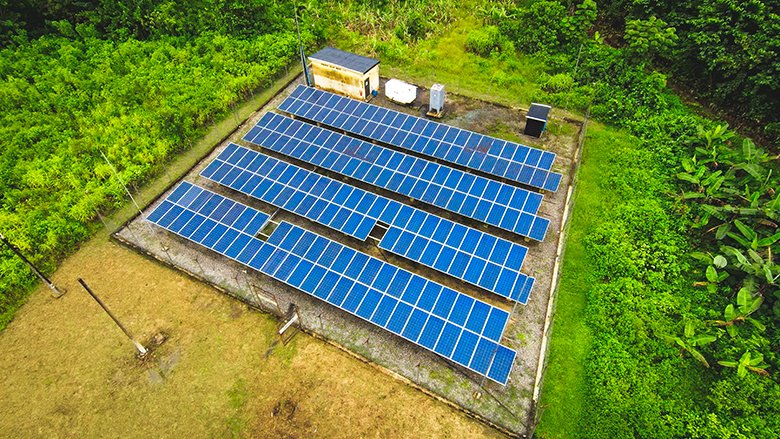
Nigeria’s renewable energy sector made meaningful strides in 2025, drawing attention from investors, local policymakers, and international partners alike. While there isn’t one single verified number like “$1 billion in investments,” the year saw multiple major funding commitments, partnerships, and project deals that point to growing confidence in clean energy solutions, especially solar power, mini‑grids, and local renewable manufacturing.
Major Investments and Partnerships Transforming the Sector
One of the most eye‑catching developments was the launch of theUS$500 million DRE Nigeria Fund, a country‑focused distributed renewable energy fund backed by the Nigeria Sovereign Investment Authority (NSIA), Sustainable Energy for All (SEforALL), Africa50, and the International Solar Alliance (ISA). This Fund is designed to unlock financing for mini‑grids, solar home systems, commercial power solutions, and energy storage technologies, all with the aim of expanding reliable, affordable electricity access across Nigeria.
In the same vein, Nigeria’s Rural Electrification Agency (REA) continued to be a central driver of investment and deployment. Through its flagship Solar Power Naija programme, the government aims to install 5 million solar‑based connections in underserved rural and peri‑urban communities, support local content in the solar value chain, and help create hundreds of thousands of jobs in the energy sector.
2025 also saw the REA take significant steps to electrify homes and businesses through renewable mini‑grids and solar home systems. In April, the Agency signed grants and agreements with several renewable energy companies under the Distributed Access through Renewable Energy Scale‑Up (DARES) project, backed by the World Bank. These deals are targeted at delivering renewable power to millions of Nigerians, expanding access in otherwise hard‑to‑reach communities, and building a stronger, more inclusive energy landscape.
One of the standout partnerships within these initiatives was Nigeria’s$200 million agreement with WeLight, a pan‑African distributed renewable energy company. The deal is set to deploy hundreds of renewable mini‑grids to power rural and peri‑urban areas, potentially bringing electricity to as many as 1.5 to 2 million people, and reflects the growing role of private‑sector investment in national energy goals.
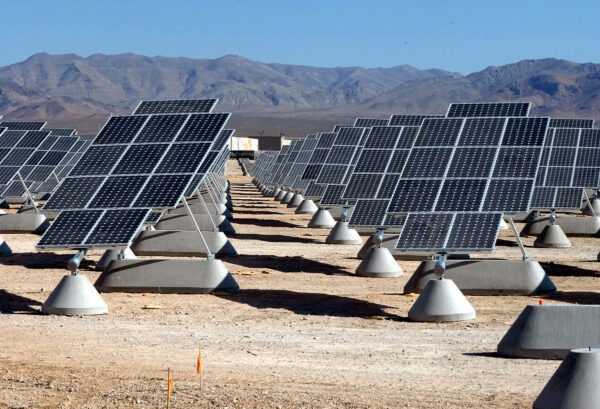
Even state governments are stepping up. In October, theOgun State Government teamed up with renewable energy firms to establish solar panel production plants with a planned combined capacity of 1,100 MW. This kind of move not only improves local energy supply but also encourages industrial diversification, bringing manufacturing jobs and new skills to the region.
Policy, Impact, and the Future of Clean Energy
Across the country, mini‑grids and solar systems, from government programmes to private initiatives, are gradually reshaping the electricity landscape. For decades, Nigeria’s reliance on diesel generators and an unstable national grid has made reliable power a daily struggle for many households and businesses.
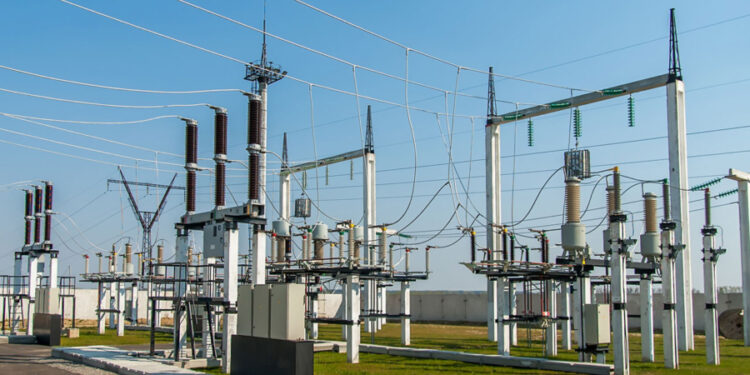
With these investments in decentralized, renewable systems, families can look forward to cleaner and more consistent electricity, while local businesses can operate with fewer interruptions, a welcome change that boosts productivity and improves quality of life.
These systems are bringing consistent, clean electricity to communities that previously had little or no access to the grid, helping households, schools, and small businesses operate more reliably. Although challenges remain, expanded solar access through mini‑grids and home systems is already helping reduce dependence on costly generators and improving energy reliability for people in underserved regions
Latest Tech News
Decode Africa's Digital Transformation
From Startups to Fintech Hubs - We Cover It All.
There’s also a rising trend among international financiers and development institutions participating in Nigeria’s clean energy ecosystem. Agreements involving development finance partners and private renewable energy companies help not only to fund projects but also to lower risk and attract further private capital into the sector, a critical ingredient for sustained growth.
Of course, Nigeria’s renewable transition is not without its challenges. Access inequality remains real: many rural areas still struggle with limited internet, financing, and infrastructure, while the cost of solar installation can be high for households that lack access to affordable credit. Despite these obstacles, many Nigerians have embraced solar solutions personally, choosing home systems and hybrid setups to reduce dependence on expensive and polluting generators.
On the policy front, supportive frameworks are helping to reduce costs and stimulate investment. Measures like duty waivers on renewable technology imports, tax incentives, and long‑term financing frameworks are meant to ease entry for investors and developers while fostering an environment where renewable energy can flourish alongside traditional power sources.
The story for Nigeria’s renewable energy sector is not just about numbers, it’s about impact. It’s about rural families seeing lights on for the first time, schools using reliable power for learning tools, businesses running more efficiently, and local economies growing stronger. It’s about job creation, skill development, and the emergence of a homegrown renewable manufacturing ecosystem.
While 2025 may not have delivered a single headline figure of $1 billion exactly, the year undoubtedly showcased meaningful investment momentum, expansive partnerships, and real steps toward a cleaner, more reliable energy future. The groundwork laid now helps ensure that renewable energy becomes an enduring pillar of Nigeria’s economic and social development, not just a hopeful promise, but a practical reality.
