Nigeria's Economy Is Growing, But Not for the People Who Live in It
Nigeria's economy grew 3.87% in 2025, its fastest pace in three years. Yet 141 million Nigerians could be living in poverty by 2026. The gap between Nigeria's economic numbers and the reality of its people is not just wide, it's not felt at all.
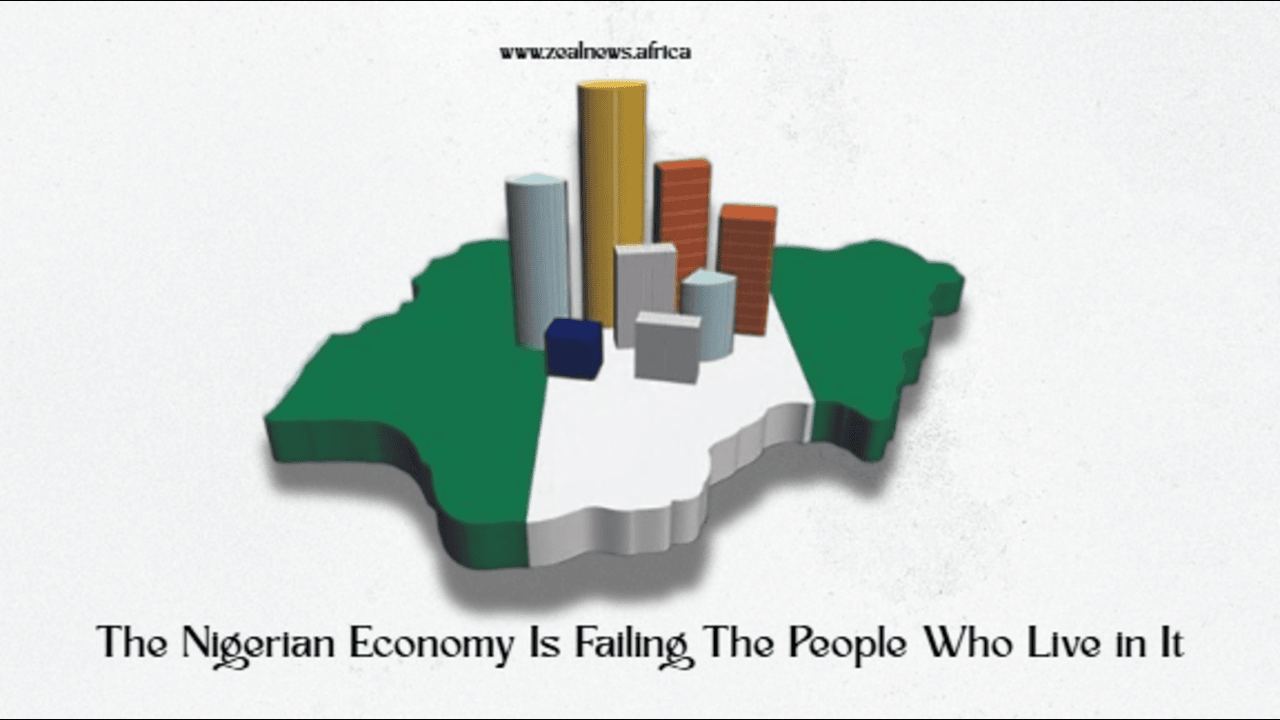
There is a particular cruelty that is felt in an economy that improves while the people it is supposed to serve deteriorate in real life.
Nigeria is currently living that contradiction at full volume. The macroeconomic dashboard is flashing green. The lived experience of the average Nigerian is anything but that.
According to reports, Nigeria's economy grew by 3.87 percent in 2025, with fourth-quarter output rising by 4.07 percent year-on-year, the strongest yearly performance since 2022.
The country's external reserves rose to roughly $50 billion, the highest level in approximately 13 years and the naira has strengthened modestly.
Inflation, though still elevated, has begun to trend downward. By every conventional economic metric, Nigeria is recovering and the reports on paper are worth applauding.
And yet not felt by the average Nigerian, a recent PwC report projects that the number of Nigerians living below the poverty line will rise from 139 million to 141 million in 2026, approximately 62 percent of the population.
If that projection holds, it will represent the highest poverty level ever recorded in Nigeria's history.
Not its lowest or a slight increase but its highest. In the same year that its economy is growing at its fastest pace in three years.
That is not a contradiction the government can talk its way out of. It is a structural indictment.
The GDP That Nobody Can Eat
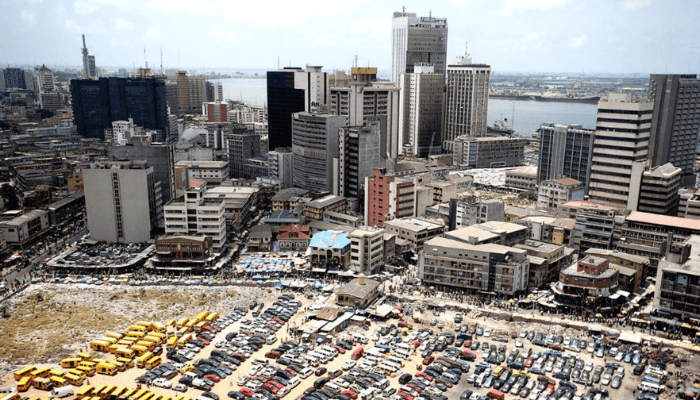
The reforms introduced by President Tinubu in 2023 were economically defensible and applaudable in an economist view.
The removal of fuel subsidies, the unification of the exchange rate, the decision to allow the naira to float, these were long-recommended corrections to deep structural distortions that had calcified over decades.
International financial institutions endorsed them and different economists had called for them for years.
What nobody adequately prepared for was the cost those corrections would extract from people who had no cushion to absorb them. Inflation over the past two years has destroyed purchasing power at every income level.
Basic necessities, food, energy, transportation, have become structurally unaffordable for millions of households that once considered themselves stable.
The Nigerian middle class, already compressed, has been further squeezed toward poverty and the poor have simply become poorer.
The manufacturing sector tells the story with particular clarity. According to Vanguard News, the Manufacturers Association of Nigeria, the sector accounts for roughly 80 percent of employment opportunities across the value chain.
Yet in the fourth quarter of 2025, manufacturing contributed only 1.13 percent of GDP in real terms, down from 1.25 percent the preceding quarter.
Foreign investment in manufacturing plunged by more than 54 percent during the first nine months of 2025, even as overall capital importation into the country rose sharply.
Read that again, investment is coming into Nigeria. It is simply not going to the sector that creates jobs.

It is going to finance, telecoms, and extractive industries sectors that generate revenue and grow the headline GDP number without proportionally expanding the labour market or raising household incomes.
When manufacturing slows, job creation suffers. When job creation suffers, poverty expands.
When poverty expands, growth becomes a statistic that belongs to investors and spreadsheets rather than to the people whose labour and consumption nominally underpin it.
Growth Without People Is Just Arithmetic
The World Bank's framework on inclusive growth is instructive here. It identifies that for growth to reduce poverty meaningfully, it must be accompanied by job creation, rising wages, and reduced inequality.
Nigeria is currently achieving growth without any of those three conditions in sufficient measure. Different reports suggest that Nigeria needs to sustain GDP growth of between 8 and 10 percent annually, consistently, over multiple years, to make a meaningful dent in its poverty levels.
At 3.87 percent, the economy is not even close to the threshold required to absorb its growing population into productive employment.
The path forward is not complicated to describe, even if it is politically difficult to execute. Reviving manufacturing requires reliable electricity, affordable credit for producers, and stable trade policies, none of which currently exist at the scale needed.
Agriculture requires urgent modernisation, as food insecurity remains the single biggest driver of both inflation and poverty.
And economic reform that imposes short-term pain without social protection mechanisms simply transfers the cost of restructuring onto the people least equipped to bear it.
Nigeria's economy is growing. That is true and it matters. But growth that exists only in statistics is not prosperity. It is a number.
And a number, no matter how impressive, cannot feed a family, pay school fees, or restore the hope of a generation that has watched the economy recover without them.