Nigeria's Diphtheria Crisis: Unvaccinated Drive Outbreak as States Mobilize Response
Nigeria is grappling with a severe diphtheria outbreak, reporting over 10,000 confirmed cases and hundreds of deaths, primarily among unvaccinated individuals. States are implementing diverse strategies, from strengthening immunisation to intensified surveillance, while health authorities stress the crucial role of vaccination and early medical intervention to halt the disease's spread.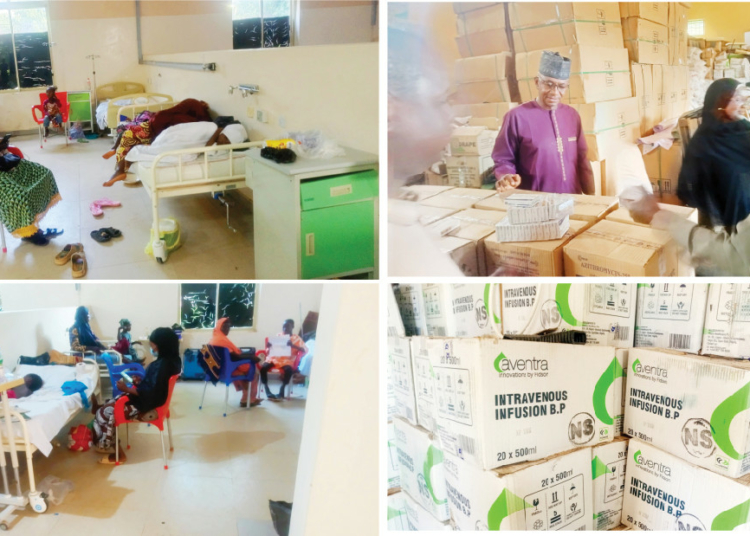
A diphtheria outbreak is currently ravaging parts of Nigeria, leading several states to roll out urgent measures to contain its spread. According to the Nigeria Centre for Disease Control and Prevention (NCDC) Weekly Epidemiological Report for Epidemiological Week 32 (August 3-9, 2026), the country has recorded a staggering 12,977 suspected diphtheria cases, with 10,476 confirmed cases and 406 fatalities. This grim situation has prompted heightened vigilance and response efforts nationwide.
Diphtheria is a serious and highly contagious bacterial infection caused by toxin-producing strains of Corynebacterium diphtheriae. This bacterium primarily targets the nose and throat but can also affect the skin. The World Health Organisation (WHO) explains that the released toxin damages body tissues and can spread through the bloodstream, potentially harming vital organs such as the heart, nerves, and kidneys. Historically, diphtheria caused major outbreaks globally before the advent of widespread vaccination in the 1930s. Though largely preventable today through routine immunisation, outbreaks persist in areas with low vaccination coverage.
The disease spreads easily from person to person through respiratory droplets from coughing or sneezing, direct contact with infected skin sores, or touching contaminated objects like towels or clothing used by an infected individual. It's crucial to note that some infected persons may be asymptomatic yet still transmit the bacteria. Crowded environments, poor hygiene, and insufficient immunisation rates significantly amplify the risk of transmission. Symptoms typically manifest two to five days post-exposure and include a sore throat, fever, swollen glands in the neck, and weakness. A hallmark sign, developing within two to three days, is a thick grey or white membrane forming at the back of the throat or on the tonsils, which can dangerously obstruct the airway. Untreated cases can lead to severe complications like heart inflammation (myocarditis), nerve damage, breathing difficulties, and kidney problems, with the WHO estimating a fatality rate of about 30 percent, particularly affecting children under five.
Medical experts strongly advise anyone suspecting diphtheria to seek urgent medical attention immediately, rather than resorting to self-medication, as early treatment drastically reduces risks of complications and death. Treatment involves immediate patient isolation, administration of diphtheria antitoxin (DAT) to neutralize toxins, and antibiotics to eliminate the bacteria. Health officials also recommend preventive antibiotics and vaccination status review for close contacts of infected individuals, with unvaccinated contacts urged to receive the diphtheria vaccine.
Vaccination remains the most effective defense against diphtheria. The WHO recommends three primary doses of a diphtheria-containing vaccine during infancy, followed by three booster doses throughout childhood and adolescence for sustained immunity. In Nigeria, the diphtheria vaccine is commonly administered as part of the pentavalent vaccine, which also offers protection against tetanus, pertussis, hepatitis B, Haemophilus influenzae type b, and polio. Other preventive measures include completing routine immunisation schedules for children, practicing good hand hygiene, covering the mouth and nose when coughing or sneezing, avoiding close contact with infected individuals, and promptly reporting suspected cases to health facilities.
Nigeria remains particularly vulnerable due to declining immunisation coverage, with the NCDC reporting that 68 percent of confirmed diphtheria cases involved unvaccinated individuals, and 28 percent had an unknown vaccination status. Alarmingly, most recorded deaths occurred among unvaccinated persons. Michael Okali, Principal Health Communication Officer at the NCDC, emphasized that everyone is at risk, especially those inadequately vaccinated, and urged parents and caregivers to ensure eligible children receive recommended free vaccinations at primary healthcare centers. He advocated for full infant vaccination (at six, 10, and 14 weeks) and booster shots (Td or Tdap) for those unsure of their immunity. Okali further revealed that eight states—Kano, Kaduna, Katsina, Borno, Bauchi, Plateau, Sokoto, and Zamfara—account for 98 percent of all confirmed diphtheria cases in Nigeria. Between August 24 and August 30, 2026, the country recorded 69 suspected cases, 48 confirmed cases, and four deaths.
States across Nigeria are implementing diverse strategies to combat the outbreak:
- Kwara State: Strengthening routine immunisation services, with a focus on underserved communities and children who missed doses, through targeted outreach sessions.
- Niger State: Recorded 17 diphtheria-related deaths and 124 cases in Bida, Suleja, and Shiroro LGAs over seven months. Commissioner Dr. Mohammed Bagana Murtala attributed this to vaccine hesitancy and incomplete vaccination, leading to an emergency mop-up vaccination and a warning of potential arrests for parents refusing child vaccination.
- Federal Capital Territory (FCT): Intensified surveillance and response after confirming five cases and two deaths. Cases were sporadic, without established secondary transmission. The FCT is conducting active case searches, engaging residents, tracing contacts, and collaborating with the University of Abuja Teaching Hospital for improved referral and case management.
- Kaduna State: Intensified surveillance in health facilities and communities for early detection, notification, and investigation. The government supports timely investigations, specimen collection, laboratory testing, appropriate management, timely referral, and monitoring of close contacts.
- Anambra State: Commissioner for Information, Dr. Law Mefor, stated that no specific measures have been introduced to address a possible diphtheria outbreak.
- Osun State: Maintaining preventive measures, with spokesperson Mallam Olawale Rasheed confirming the availability of preventive vaccines at government health facilities.
- Plateau State: Dr. Andrew Shainaan, NMA Chairman, identified poor and inadequate vaccination coverage as a major contributing factor, underscoring the importance of immunisation.
- Kano State: The Kano State Centre for Disease Control (KNCDC) intensified community mobilisation, vaccination, and early detection efforts. Traditional rulers are engaged to support public sensitisation and encourage vaccine uptake. DG Prof Muhammad Adamu-Abbas linked cases to poor routine immunisation, delays in seeking medical care, and initial visits to chemists or traditional healers. He urged an urgent supply of nine million vaccine doses and advised residents to seek immediate medical attention, warning practitioners against treating suspected cases.
- Katsina State: Closely monitoring the situation but faces potential setbacks due to a planned health workers' strike.
- Ondo State: Intensified prevention measures with health workers deployed across all 18 local government areas and 203 wards. Commissioner Idowu Ajanaku reported no recorded diphtheria cases yet.
The collective efforts across states, coupled with national guidance from the NCDC and WHO, underscore the critical need for robust immunisation programs, comprehensive disease surveillance, and rapid closure of immunity gaps to prevent future outbreaks and protect vulnerable populations from this deadly, yet preventable, disease.