Nigeria’s ₦185 Billion Gas-Debt Payment: Will It Finally Bring Stable Power?
Nigeria has approved a ₦185 billion payment to clear long-standing gas-supply debts, a move the government says will ease power shortages. This Piece examines what the payment covers, why it matters, and whether it can realistically improve electricity supply for homes and businesses.
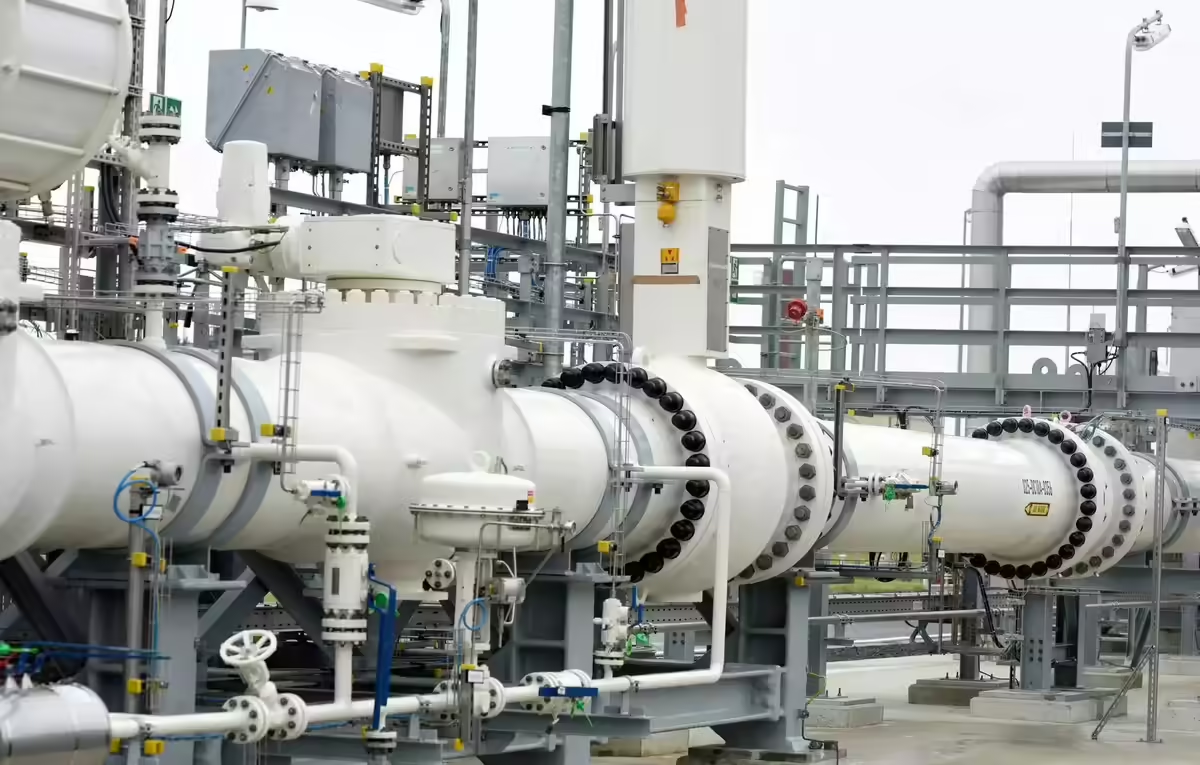
Nigeria’s recent decision to approve a ₦185 billion payment to gas producers marks one of the government’s most ambitious attempts in years to stabilize the country’s struggling electricity sector.The payment, equivalent to about $128 million, is aimed at clearing outstanding debts owed to gas suppliers who provide fuel to power-generation companies
The government believes that settling these debts is a necessary first step to restoring confidence among gas suppliers and reducing frequent disruptions in power generation.
For years, gas producers have repeatedly complained that power-generation companies, and in some cases government agencies, owe them vast unpaid balances for gas delivered. This lack of payment has made producers reluctant to increase supply, which in turn has left power plants under-utilized. The new debt-payment plan is meant to break that cycle.
Nigeria’s electricity system relies heavily on natural gas. More than 70% of the country’s grid-connected power comes from gas-fired plants, located mostly in the South-South and South-West regions. When gas supply is interrupted or insufficient, electricity output drops sharply.
This makes the gas-to-power chain the single most important link in Nigeria’s entire energy architecture, and any disruption immediately affects millions of households and businesses.
Experts say that resolving gas-sector debt is not just an accounting exercise. It is a strategic move that could determine whether the power sector experiences any meaningful improvement in the coming months. With the payment now approved, expectations are high—but so are the doubts.
Is an Improvement in Electricity Supply Realistic?
The Nigerian government has openly stated that the debt clearance should lead to improved power supply across the country. The logic is simple: if gas supply becomes stable, power plants will generate more electricity, and the national grid will distribute more power.
However, while increased gas supply is a critical part of the solution, it does not automatically guarantee stable electricity for all Nigerians.
Multiple issues undermine power generation, including:
Aging and poorly maintained transmission lines
Frequent grid collapses
Distribution companies struggling with revenue collection
Technical losses from outdated infrastructure
Vandalism of pipelines and power equipment
This means that even if gas flows improve, other weak links in the chain may prevent Nigerians from immediately feeling the impact.
A Wider Plan: Nigeria’s 2030 Gas-Supply Ambition
The debt payment is one element of a broader national target. Nigeria aims to increase gas output to12 billion cubic feet per day by 2030. This long-term goal reflects the country’s shift toward positioning gas as a transition fuel for economic growth, industrialization, and energy security.
The 2030 target signals that Nigeria sees gas not merely as a short-term fix but as a cornerstone of its development strategy.
If that production target is achieved, Nigeria could potentially supply gas more reliably to both local industries and export markets. But the current challenge lies in ensuring that the domestic power sector gets enough gas consistently, since export contracts often earn more foreign exchange.
Can Debt Clearance End the Frequent Blackouts?
Many Nigerians have heard similar promises before, and some remain skeptical. Even with previous interventions, power output often dipped again shortly after temporary gains.
The real question is whether this payment represents a structural shift or another short-lived bandage on a long-standing wound.
Energy analysts note that improving the power sector requires solving a chain of interrelated problems, not just one. Gas supply is essential, but unless the transmission network is upgraded and distribution companies improve their financial practices, the benefits of paying off gas debts may not translate into stable power nationwide.

How Businesses Stand to Gain
If gas supply increases and power-generation plants operate more consistently, Nigerian businesses, especially small and medium enterprises could experience significant relief. Many SMEs spend a substantial part of their income on fuel for generators.
Reduced dependence on generators would lower business costs, stabilise production cycles, and improve competitiveness, especially for manufacturers and service providers.
Moreover, better power supply can boost job creation, attract investors, and reduce operational risks across multiple sectors, including ICT, logistics, healthcare, hospitality, and retail.
The Public’s Overdue Question: Where Does the Money Go?
A recurring concern among citizens is accountability. Nigerians want to know whether the funds released will actually reach the right gas producers, and whether the payment will be managed transparently.
Without strong oversight, the cycle of debt and supply disruption could easily return, leaving the country exactly where it started.
The government has promised tighter monitoring of payments and gas-supply agreements, but Nigerians have seen grand promises fall apart before, and citizens will be looking for real evidence of follow-through.
What Nigerians Should Expect in the Coming Weeks
Gas producers are expected to begin increasing supply almost immediately. Power plants may experience improved fuel availability, and the national grid could see a gradual increase in output.
However, improvement is likely to be uneven, and Nigerians should expect gradual gains rather than immediate nationwide stability.
Urban centers with stronger distribution infrastructure may notice benefits sooner, while rural and peri-urban areas may see only modest changes at first.
Nigeria’s electricity crisis did not begin overnight, and it will not end overnight. The ₦185 billion gas-debt payment is meaningful, strategic, and necessary but it is not enough on its own.
The country will need sustained investment, strong regulation, and transparent management to finally achieve the stable electricity supply its people have long demanded.
For now, Nigerians can cautiously hope that this payment marks the beginning of a more reliable power era, one in which promises on paper translate into actual light in homes and workplaces.