New Star Trek Series Takes Bold Inspiration From Sci-Fi's Greatest Masterpieces
Noga Landau, co-showrunner of "Star Trek: Starfleet Academy," discusses the new Paramount+ series, revealing insights into its creation, cast, and unique blend of classic and serialized storytelling. She highlights the impact of stars like Holly Hunter and Paul Giamatti, the show's massive set, and teases eagerly awaited moments for fans in upcoming episodes and Season 2.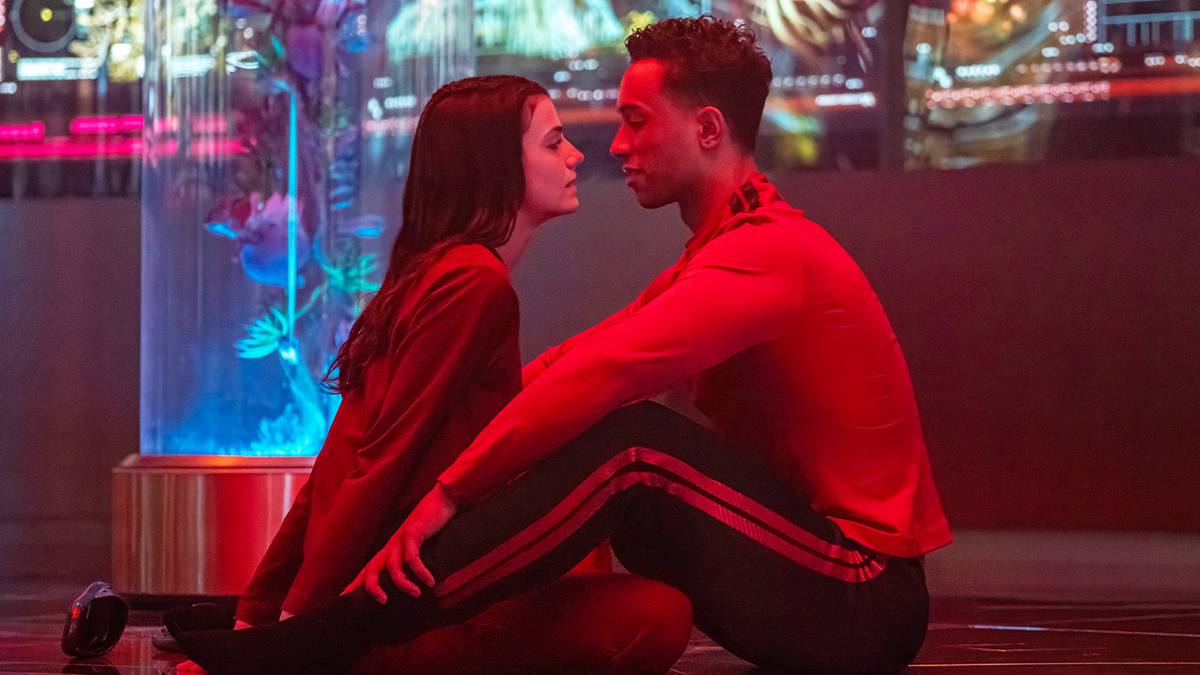
Collider's Steve Weintraub recently had an exclusive Q&A with Noga Landau, co-showrunner of Paramount+'s latest series, "Star Trek: Starfleet Academy," following an advanced screening of its first episode, "Kids These Days." Landau, a self-proclaimed lifelong "Star Trek girl," discussed her profound connection to the franchise, the show's intricate development, and what fans can anticipate from the new voyage into the final frontier.
Landau's journey into the Star Trek universe began at a young age, with earliest memories of watching "Next Generation" with her father and being enamored with Worf. Despite jokingly attributing her father (not Martin Landau, as she clarifies, but a "Cousin Martin" joke) with steering her away from "The Original Series" in favor of Captain Picard, she later developed a deep appreciation for the entire franchise. When asked to rank her favorite Star Trek shows, Landau placed "Voyager" first, citing Captain Janeway as a pivotal figure in her life, followed by "Next Generation," "Deep Space Nine," and "The Original Series."
The opportunity to co-showrun "Starfleet Academy" alongside Alex Kurtzman and Aaron Baiers came as a surprise. Having spent years in writers' rooms discussing Star Trek and applying its storytelling lessons, Landau initially hesitated, describing it as a "lifelong dream" that made her "freak out." However, an instant connection with Kurtzman and Baiers solidified her decision to join the project.
"Star Trek: Starfleet Academy" is set in the post-Burn 32nd century, following the first group of young cadets to enter the academy in over 120 years. The core group of students includes Genesis Lythe (Bella Shepard), SAM (Kerrice Brooks), Darem Reymi (George Hawkins), Jay-Den Kraag (Karim Diane), and Tarima Sadal (Zoë Steiner). Guiding them is Captain Nahla Ake, portrayed by Academy Award winner Holly Hunter, whom Landau praises as a "genius" for her creativity, specificity, and bold decisions, such as her distinctive way of sitting in the captain's chair. The series also features Academy Award-nominated Paul Giamatti as the eccentric villain Nus Braka, whose character evolved significantly after Giamatti expressed a desire to play a Klingon and be a recurring bad guy.
The casting of Hunter and Giamatti profoundly impacted the show's trajectory. Giamatti, a lifelong Star Trek fan, embraced the role of Nus Braka with enthusiasm, even requesting extensive prosthetics. His "piratey, crass, and vulgar" interpretation, combined with an unexpected "wild chemistry" with Holly Hunter, introduced unique romantic and emotional dynamics into the series. Landau explains that Giamatti's commitment allowed them to expand Nus Braka from a potential one-off character into a central figure for a "pretty crazy story" unfolding later in Season 1.
The series aims to blend classic episodic Star Trek with serialized storytelling, drawing inspiration from "Deep Space Nine." While the premiere episode is described as an "action movie," subsequent episodes delve deeply into individual characters, exploring "classic Trek dilemmas, moral questions, crises... and character moments." Landau also highlighted the strategic use of "bottle shows" – budget-saving episodes that focus on internal character stories and ship-bound events, a practice long-employed in Star Trek to manage resources while delivering compelling narratives.
A significant highlight of the production is the enormous Starfleet Academy set, described as the largest Star Trek set ever built. Located on the largest stage in North America in Toronto, the multi-story atrium set, designed by Matthew Davies, is visually stunning and requires complex camera movements to showcase its scale. Landau noted that despite the impressive visuals, the show's budget often requires clever solutions, reflecting the historical ingenuity of Star Trek productions.
Looking ahead, Landau teased a highly anticipated moment in Episode 105 of Season 1, promising something fans have been "waiting literally decades for," which will "really mean something for this fandom." The Season 1 finale is designed to be "beautiful and cathartic," leaving viewers eager for Season 2. Fortunately, Season 2 was greenlit early in production, ensuring a quicker turnaround between seasons. Landau hopes for an ideal release schedule of every 12 to 15 months.
Season 2 is expected to delve even deeper into the characters' journeys, building on the foundation of Season 1. The show will continue to introduce new students and cadets while maintaining connections to "legacy shows and legacy characters." Landau mentioned the use of 32nd-century remote Holodeck capabilities, hinting at further creative storytelling opportunities. The production also features notable guest voices like Stephen Colbert as the digital dean of students and Brit Marling as the ship's computer, with Jonathan Frakes directing an episode that Landau humorously described as involving glitter.
Despite the challenges of TV production, particularly the demanding schedules often involving late-night shoots, Landau emphasized the "magic" that the dedicated crew, many of whom have worked on Star Trek for a decade, brings to the set. This energy, combined with the commitment to both new and existing fans, is what Landau believes makes "Star Trek: Starfleet Academy" a special addition to the franchise.