NBA 2026 Free Agency: Explosive Summer Spending Powers Unveiled
The NBA offseason is heating up as teams navigate complex salary cap rules, free agency, and trade opportunities after the draft. This detailed analysis categorizes all 30 franchises into seven tiers, highlighting their financial flexibility, critical decisions, and roster needs as they build for the upcoming season.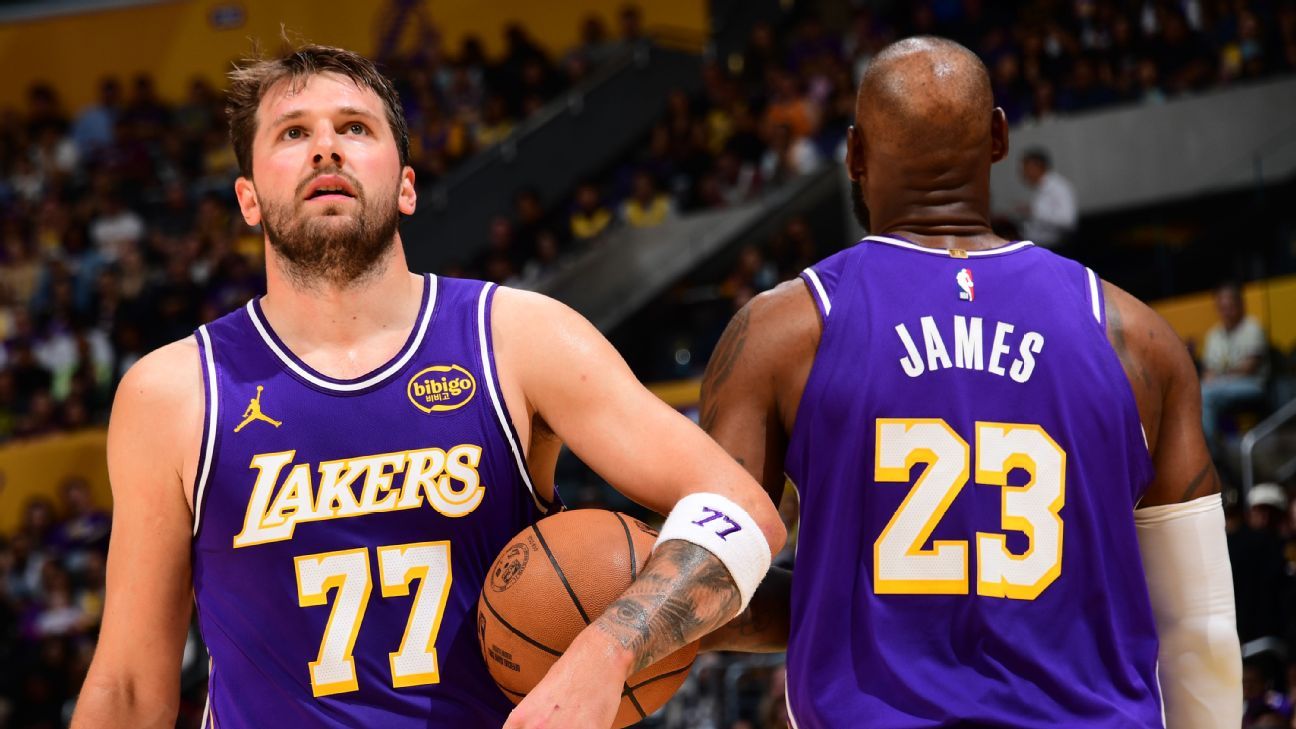
Following the conclusion of the NBA draft, teams across the league are now strategically shifting their focus towards free agency and the trade landscape. Navigating the intricate rules of the collective bargaining agreement, franchises are evaluating their salary cap space, exploring maneuvers to create additional room, and contending with the harsh roster-building restrictions imposed by the first and second aprons. This comprehensive breakdown categorizes all 30 teams into seven distinct tiers, illustrating their financial positions from those with significant cap space to those fighting to avoid the stringent penalties of the second apron.
Tier 1: Cap Space Kings
Currently, only two franchises project to generate more than $30 million in cap space this offseason: the Brooklyn Nets and the Chicago Bulls. The Brooklyn Nets, despite the trade to acquire Julius Randle, are still projected to have significant cap space, potentially up to $37 million before the Randle trade is finalized on July 6. This allows them to sign players or trade for them with cap space first, then acquire Randle using the expanded traded player exception from Nic Claxton. Last offseason, Brooklyn utilized cap room to acquire impactful players like Michael Porter Jr., Terance Mann, and Haywood Highsmith, with Porter Jr.'s trade also yielding an unprotected 2032 first-round pick. Their team needs include development, consistency, and establishing winning habits, especially after finishing 27th in defense. Key free agents for the Nets include Day'Ron Sharpe (Team option).
The Chicago Bulls, having addressed their starting center void by trading for Nic Claxton, project to have $31 million in cap space, assuming they renounce all free agents on their roster. Chicago needs to spend at least $16.5 million in free agency or trades to meet the minimum salary requirement by the first day of the regular season, a threshold they haven't had available cap space for since the 2019 offseason. Their primary team needs are shooting and frontcourt depth. Key free agents for the Bulls include Anfernee Simons and Collin Sexton.
Tier 2: Cap Space, but at a Cost
Several teams possess the potential to create substantial cap space, but such a move would necessitate significant sacrifices. The Atlanta Hawks are in a strong financial position, with flexibility tied to Jonathan Kuminga's $24.3 million team option (due June 29) and Buddy Hield's partially guaranteed contract (guaranteed June 25). If Kuminga's option is not exercised, Atlanta could use the $15 million non-tax midlevel exception, though the Aaron Wiggins trade will hard-cap them at the first apron. Their needs include frontcourt size and a primary ball handler after the Trae Young trade. Jonathan Kuminga is a key free agent (Team option).
The Detroit Pistons, with $136 million in salary, will likely stay over the cap due to Jalen Duren's $19.5 million free agent hold. They could create up to $21 million in room by renouncing all other free agents, waiving Duncan Robinson, and trading Caris LeVert. Detroit holds an $8.7 million trade exception expiring July 6 and will have the $15 million non-tax midlevel exception if they remain over the cap. They are likely to use the Isaiah Stewart $15 million trade exception to acquire Isaiah Joe. The Pistons need a secondary scorer, shooting, and a stretch-4. Jalen Duren (Restricted) and Tobias Harris are key free agents.
The LA Clippers could transform into a cap space team by renouncing Bogdan Bogdanovic, Brook Lopez, Nicolas Batum, and Bennedict Mathurin's free agent hold, potentially generating up to $30 million in space. If their roster remains intact, they will be $30 million below the luxury tax, offering flexibility to re-sign Mathurin and utilize the $15 million non-tax midlevel exception. The Clippers need frontcourt help and a playmaker to back up Darius Garland. Key free agents include Bennedict Mathurin (Restricted), John Collins, and Brook Lopez (Team option).
The Los Angeles Lakers face a delicate balancing act to create cap space while retaining key free agents, notably LeBron James. If James signs for approximately $25 million, the Lakers could have up to $25 million in room to sign or trade for a player, then exceed the cap to sign Reaves to his agreed $184 million contract. They would also have the $9.4 million room midlevel exception. Maximum room of $47 million is possible, but at the expense of James, Rui Hachimura, and Luke Kennard. Alternatively, they could bypass cap space to retain free agents, providing better roster optionality in trades and retaining their $15 million non-tax midlevel exception. Their needs are a two-way starting center, wing, shooting, and bench depth. LeBron James, Rui Hachimura, and Luke Kennard are key free agents.
The Memphis Grizzlies, with $147 million in guaranteed contracts, are likely to operate as an over-the-cap team. They have a $28.9 million trade exception from the Jaren Jackson Jr. trade with Utah, which counts against the cap unless renounced. With five players on team options or partially guaranteed contracts and two first-round picks potentially adding $13 million in salary, Memphis is managing its roster carefully. Due to Zach Edey's health issues, the Grizzlies need a reserve big man who can rebound and protect the rim, along with improved shooting from Jaylen Wells and Cedric Coward. GG Jackson (Team option) is a key free agent.
Tier 3: The $15 Million Non-Tax Midlevel Exception Club
This largest tier of teams can access the full $15 million non-tax midlevel exception and the $5.5 million biannual exception. However, using more than $6.1 million of either exception hard-caps a team at the first apron. The Charlotte Hornets, after trading LaMelo Ball and re-signing Coby White, have access to the $15 million non-tax midlevel and a historic $40.7 million trade exception. They need backcourt depth. The Dallas Mavericks, no longer projected as an apron team in 2026-27, can use their non-tax and biannual exceptions and have a $20.8 million trade exception; they need a stretch big. The Milwaukee Bucks are well below the luxury tax and first apron, with 17 players under contract and a $25.5 million trade exception from the Giannis Antetokounmpo trade, but need to balance their roster. The Portland Trail Blazers, with $171 million in salary after extensions, can bring back Robert Williams III and Matisse Thybulle or use their non-tax midlevel, addressing their need for shooting. The San Antonio Spurs, far below the luxury tax and aprons, can sign Julian Champagnie and access both exceptions, with needs for shooting development, a reserve stretch-4, and backcourt depth. The Utah Jazz, now likely over the cap after acquiring Jaren Jackson Jr., need a reserve big and perimeter bench scoring. The Washington Wizards, despite trading for Trae Young and Anthony Davis, are well below the luxury tax with multiple trade exceptions and need to build winning habits with their young roster.
Tier 4: Watching Their Own Free Agents
These teams' salary cap flexibility is primarily dictated by the decisions of their own free agents and player options. The Boston Celtics face financial decisions, starting with Neemias Queta's $2.7 million team option, which impacts their ability to extend him and stay below the luxury tax and first apron. Queta's strong performance makes this a crucial choice. Their needs include frontcourt and playmaking depth, and shooting development. Key free agents are Nikola Vucevic and Neemias Queta (Team option).
The Cleveland Cavaliers' offseason direction heavily depends on James Harden's player option ($42.3 million). If Harden opts for a new, possibly lower, contract, Cleveland could avoid becoming a second-apron team. If he opts in, his salary becomes guaranteed on July 11. The Cavaliers need lineup consistency and depth due to past injuries and roster turnover. James Harden (Player option) and Dean Wade are key free agents.
The Golden State Warriors are projected to be under the luxury tax for the first time since the 2019-20 season. Including player options for Draymond Green, Al Horford, and De'Anthony Melton, and their 2026 first-round pick, they are still managing around the first apron hard cap. They will likely be unable to use the $15 million non-tax midlevel exception and remain under the apron. Their needs include youth, athleticism, a reserve point guard, frontcourt help, and a 3-and-D wing. Key free agents are Draymond Green (Player option), Kristaps Porzingis, and De'Anthony Melton (Player option).
The Houston Rockets will likely exceed the luxury tax and get close to the first apron once restricted free agent Tari Eason signs a new contract, as they will tender him an $8 million qualifying offer. Houston needs a healthy Fred VanVleet, shooting development from their young core, a 3-and-D wing, and a reserve point guard, with five open roster spots. Tari Eason (Restricted) is a key free agent.
The Philadelphia 76ers, with Tyrese Maxey and VJ Edgecombe in the backcourt, have significant roster decisions concerning key free agents Kelly Oubre Jr., Quentin Grimes, and Andre Drummond. Their ability to sign two of the three will determine if they exceed the first apron. They can only access the $15 million non-tax midlevel exception if none of their key free agents are signed. Needs include perimeter shooting, a 3-and-D wing, and frontcourt depth. Quentin Grimes and Kelly Oubre Jr. are key free agents.
The Toronto Raptors are impacted by $6.5 million in unlikely bonuses counting against the apron, which could affect their ability to retain reserve Sandro Mamukelashvili if he declines his $2.8 million player option. If he declines and they use more than $6 million of their $15 million non-tax midlevel exception, they will hard-cap at the first apron. Mamukelashvili had a career-best season. The Raptors desperately need shooting, as they ranked 21st in 3-point percentage. Sandro Mamukelashvili is a key free agent.
Tier 5: Stuck in the Middle
These teams are neither over the luxury tax nor hard-capped at either apron, but signing a free agent for more than $6.1 million would push them over the luxury tax and hard-cap them at the first apron. The Indiana Pacers, after trading for Ivica Zubac, are financially limited and right at the luxury tax threshold, having not paid a penalty since 2004-05. Their starting lineup is set, but the bench needs a combo guard and consistent perimeter scoring.
The New Orleans Pelicans continue to be impacted by nearly $7 million in unlikely bonuses that count toward the apron. They are $4.7 million below the luxury tax and $5.7 million under the first apron. Declining Kevon Looney's $8 million team option could create financial flexibility, allowing them to use part of their $15 million non-tax midlevel exception while staying under the luxury tax. Rebounding remains a critical issue for the Pelicans, as they consistently ranked among the worst in defensive rebound percentage and second-chance points allowed. They have no key free agents.
Tier 6: The First-Apron Teams
Teams in this tier have a salary that exceeds the first apron ($209 million) post-transaction, incurring significant restrictions. These include limitations on using trade exceptions, the non-tax midlevel exception (cannot use more than $6.1 million), and acquiring players via sign-and-trade. The Miami Heat, hard-capped at the first apron after the Giannis Antetokounmpo trade (due to using more than 100% of a traded player exception), are projected $18 million below the apron with up to five roster spots to fill. Andrew Wiggins could decline his $30.2 million player option to sign a new, smaller deal to create flexibility. Miami needs a playmaker, perimeter shooting, and a 3-and-D wing. Norman Powell and Andrew Wiggins (Player option) are key free agents.
The Minnesota Timberwolves upgraded their backcourt by adding LaMelo Ball and re-signing Ayo Dosunmu, but at the cost of frontcourt depth after trading Julius Randle and Naz Reid. With only Rudy Gobert and Joan Beringer as bigs, Minnesota must explore trades and fill roster spots with veteran minimum free agents. Their needs are frontcourt depth and perimeter shooting. They have no key free agents.
The New York Knicks are currently the sole team in the first-apron tier. Owner James Dolan has stated that avoiding the second apron is a priority, which will influence decisions regarding free agents Landry Shamet and Mitchell Robinson. If these players are not re-signed, the Knicks would be left with only the $2.5 million veteran minimum exception. The Knicks need a reserve combo big, an interior rim protector, and bench shooting. Mitchell Robinson and Landry Shamet are key free agents.
The Orlando Magic boosted their financial flexibility by waiving Jonathan Isaac, incurring an $8 million cap hit (which can be stretched over seven years). Orlando is $2.8 million below the first apron and $18.1 million under the second apron, allowing them to use the $6.1 million tax midlevel exception. They need shooting off the bench, an athletic rebounder big, and a reserve playmaking guard. Moritz Wagner is a key free agent.
The Phoenix Suns, despite having 12 of 15 players with salaries between $2.3 million and $20 million, enter the offseason with $190 million in salary. Due to the Bradley Beal buyout and recent agreements with Collin Gillespie, Jordan Goodwin, and Mark Williams ($28 million combined), Phoenix is over the luxury tax and first apron. Their primary team need is development from Rasheer Fleming. They have no key free agents.
The Sacramento Kings are in an unenviable position, over the luxury tax and both aprons. They could get under both by waiving DeMar DeRozan, whose $25.7 million salary is $10 million guaranteed. If waived and stretched, Sacramento would be $12.5 million below the luxury tax. The Kings need a starting point guard and a stronger defensive identity, having finished at the bottom in most defensive categories. They have no key free agents.
Tier 7: The Second-Apron Teams
The most restrictive tier includes teams whose salaries exceed the $222 million second apron, facing severe limitations on roster construction beyond re-signing their own free agents, using the veteran minimum exception, and signing draft picks. These teams cannot use the $6.1 million tax midlevel exception, more than 100% of a traded player exception, engage in sign-and-trades if it pushes them over the apron, aggregate contracts, use a pre-existing trade exception, or send cash in a trade. Additionally, a second-apron team will have its 2034 first-round pick frozen if they finish the regular season above this threshold. Unlikely bonuses, even if not reached, count toward the apron.
The Denver Nuggets are currently around the second apron. While Nikola Jokic, Jamal Murray, and the rest of the starting five are under contract, Denver faces significant financial pressure to retain key free agents Peyton Watson, Tim Hardaway Jr., and Bruce Brown. Ownership must decide if they are willing to pay a substantial tax penalty and become a second-apron team for the first time under the current CBA. The partially guaranteed contract of Jonas Valanciunas offers some flexibility. The Nuggets need depth to replace potential departures, a reserve point guard, a rim-protecting reserve big, and continued development from former draft picks. Key free agents include Peyton Watson (Restricted), Tim Hardaway Jr., and Spencer Jones (Restricted).
The Oklahoma City Thunder's payroll is set to reach unprecedented levels, as they are projected to be a second-apron team and likely face a luxury tax payment exceeding $100 million. This is largely due to the rookie maximum extensions for Jalen Williams and Chet Holmgren. Despite the financial burden, the roster is largely intact with 14 players under contract, and they recently drafted Aday Mara and Bennett Stirtz. They have already shaved nearly $200 million in tax penalties through the Aaron Wiggins and Isaiah Joe trades. The Thunder's needs focus on the offseason development of former first-round picks Nikola Topic and Thomas Sorber, both of whom missed significant time due to injuries and health issues. Lu Dort (Team option) is a key free agent.