A Glimpse at the Animal Often Called the World's "Cleanest"
It rolls in mud, roots through the ground and still keeps its sleeping space surprisingly separate from its waste. There’s more to this animal’s habits than its messy image suggests.
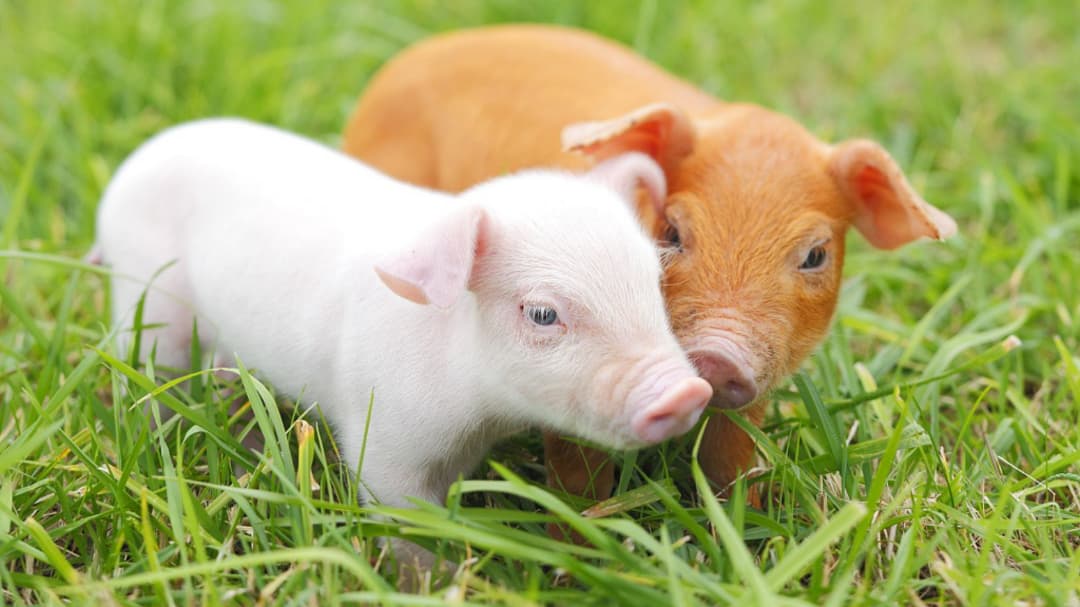
Think of a pig and you will probably picture mud.
Pigs have long been associated with dirt because they root through the ground, forage for food and spend time rolling in muddy areas. But the mud is not a sign that they simply do not care about staying clean.
Mud Helps Pigs Cool Down
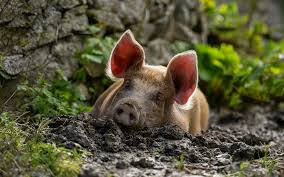
Wallowing helps pigs deal with heat becausethey cannot cool themselves by sweating as effectively as humans do. Mud can also helpprotect their skin from the sun and insects.
Pigs spend much of their time rooting, foraging and exploring. Given enough space, they do not simply use the same area for everything.
They tend to keep their sleeping and feeding areas apart from where they eliminate waste.
Piglets Separate Sleeping and Toilet Areas
This behaviour appears surprisingly early.
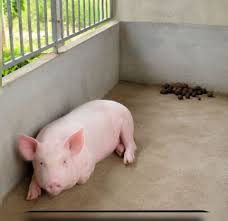
Piglets can beginseparating their sleeping area from their elimination area just days after birth. That suggests the behaviour is not simply something they learn through training.
Adult pigs also tend to avoid urinating and defecating where they rest when they have enough space. Farmers can work with this tendency byproviding separate areas for elimination.
Space, however, can change the picture.
Small Pens Can Change the Pattern
In a small or poorly designed pen, pigs may have little choice about where they sleep, eat or relieve themselves. Hot weather can also change how they use the available space as they look for cooler areas.
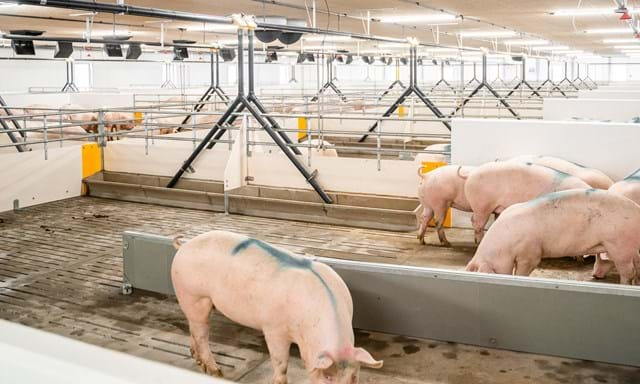
That helps explain why pigs kept in some enclosures may appear much less particular about cleanliness than they would in a more suitable environment.
The "cleanest animal" label is not a scientific title, and pigs are certainly not spotless animals.

What makes them interesting is something more specific: they naturally show a strong preference for separating where they rest from where they eliminate waste.
That preference can appear within days of birth, long before a pig has much opportunity to learn it from its surroundings.
So the next time you think of a pig covered in mud, you might also remember that it probably would not want to use its sleeping area as a toilet.