China is setting up more factories in Africa. Why now and what comes next?
Chinese manufacturers are putting down roots in Africa, bringing factories, jobs and new industries. But how much of the production chain will actually stay on the continent?
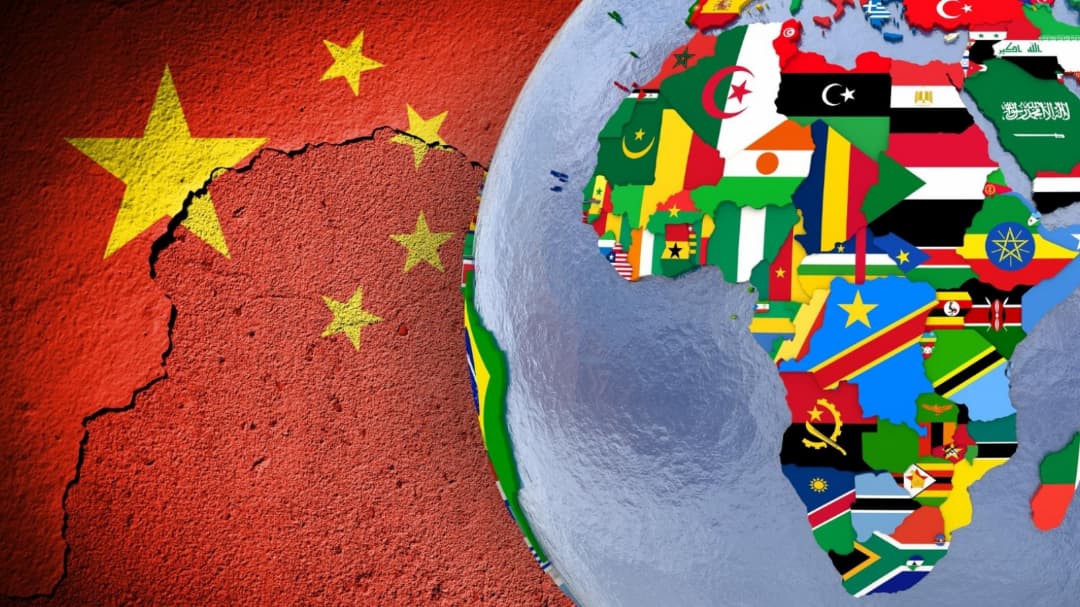
When Chinese automaker Chery acquired Nissan's former factory near Pretoria in July, the attention naturally went to electric vehicles.
Chery plans to produce plug-in hybrids, battery-electric vehicles and Jetour models at the Rosslyn plant, with production expected to begin in 2027.
But Chinese companies are also setting up textile, garment and synthetic-fibre plants in Egypt, whereOPPO has already opened a smartphone and electronics factory there. In Morocco, they are investing in batteries and automotive components, including Gotion High-Tech's planned battery gigafactory.
Chinese companies are moving beyond cars

Look at what has been happening in Egypt. In 2025, Chinese companies signed several manufacturing agreements in the Suez Canal Economic Zone.
EVERFAR agreed to invest $130 million in a textile and garment plant expected to employ more than 3,200 people. Changzhou RAMADA signed a $22.6 million agreement for another textile factory, with 1,500 jobs planned.
Xin Feng Ming Holding is preparing an $800 million polyester-fibre and polymer complex, with construction of the first phase scheduled for 2026.
Together, the projects cover different parts of manufacturing, from finished clothing to the synthetic materials used in other products.
There is a reason companies are looking beyond China.
The country has a huge manufacturing base and extensive supplier networks, but competition at home is strong in industries such as cars, electronics and solar equipment. Chinese exports are also facing higher trade barriers in some Western markets.
Tombo Banda, managing director of renewable-energy consultancy CrossBoundary Group, said Chinese factories are producing more vehicles than the domestic market can absorb while exports face mounting barriers.
Producing closer to overseas customers gives manufacturers another way to reach the markets they want to serve without relying entirely on shipments from China.
African governments want that investment too. South Africa offers incentives including customs-duty rebates and production-linked support for investment in electric and hydrogen-powered vehicle manufacturing.
Factories bring jobs and can create work for local suppliers.
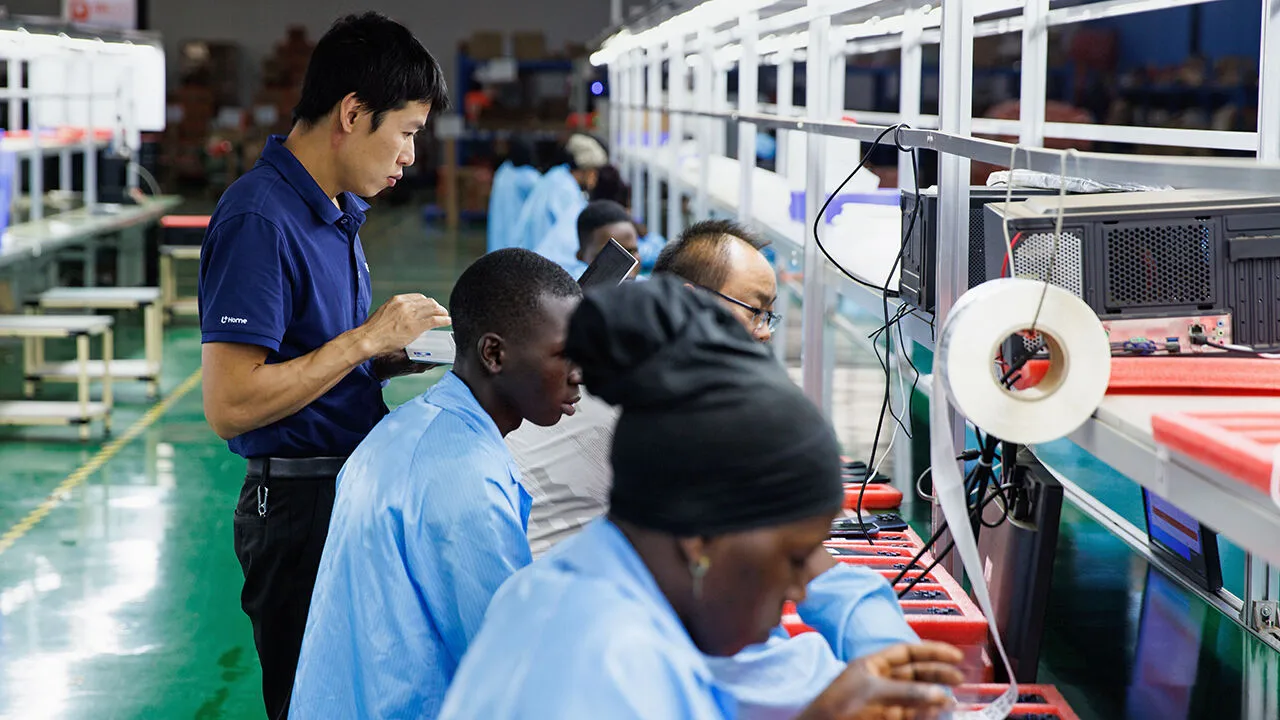
Hiten Parmar, executive director of South African sustainable-mobility nonprofit The Electric Mission, described the change as Asian brands moving from simply importing vehicles towards assembling and manufacturing them in African markets.
Getting a factory into a country does not mean everything around it falls into place. Chinese-owned clothing factories in Newcastle, in South Africa's KwaZulu-Natal province, have run into a different problem.
Thousands of migrant workers left the area following anti-immigrant protests, leaving factories short of workers. Factory owners said they were struggling to replace skilled employees, while labour representatives pointed to low wages and poor working conditions.
The factories provide jobs, but the disagreement raises questions about what kind of jobs are being created and how much workers and nearby communities gain from them.
Local assembly still depends on Chinese parts

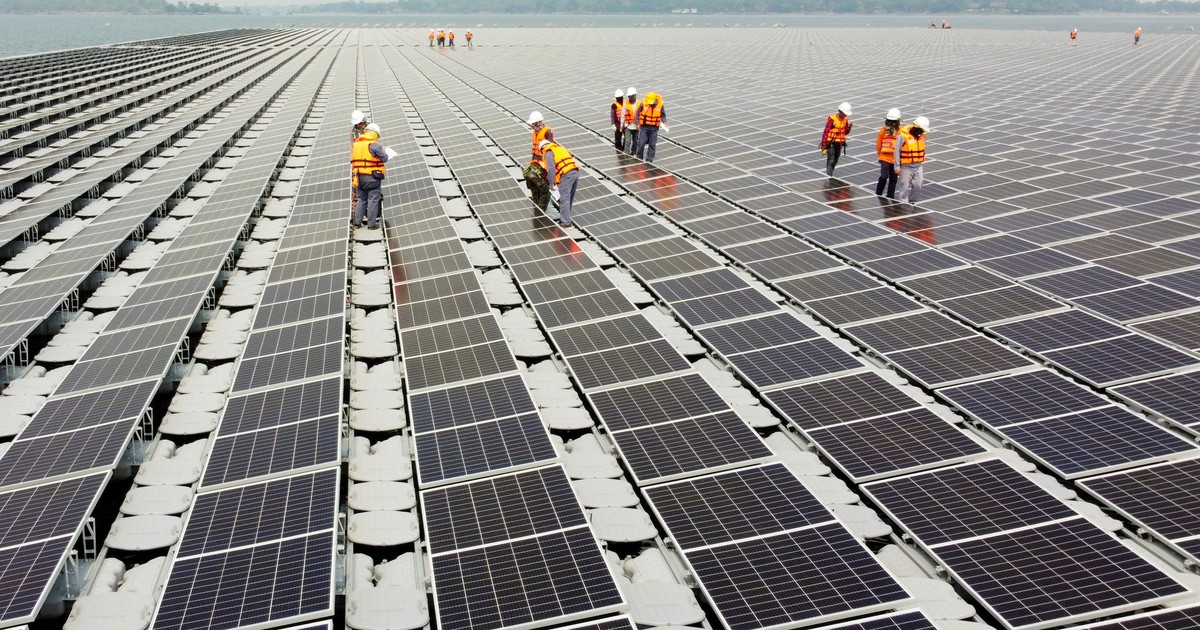
Solar panels show how limited local production can be. African countries are trying to assemble more panels locally, while much of the supply chain remains elsewhere. China dominates the production of polysilicon, wafers, cells and modules.
A panel may therefore be assembled in Africa using materials and components produced abroad. Vehicle, electronics and textile factories can operate in much the same way, employing local workers while importing machinery, raw materials and specialised parts from China.
African companies will need to supply the right products at the required price and quality if they want a larger part of that work.
Workers will also need training for the more specialised jobs these industries require.
What is changing is the range of industries attracting this investment and the scale of some of the projects.
Chery's South African factory now sits alongside Egypt's textile and electronics projects, Morocco's battery investments and efforts to expand solar assembly across the continent.
The factories are arriving. How much they change African manufacturing will depend on what eventually gets produced around them, and how much of that work African workers and businesses are equipped to handle.