Wildfires Burn 16.3% of Namibia’s Etosha National Park
Namibia's Etosha National Park experienced significant wildfires between September and October 2026, affecting over 16% of its area. While major blazes are now suppressed, the situation highlights the critical need for travel professionals to stay informed and advise clients regarding potential operational changes and the fires' impact on wildlife viewing. The park remains open, with ongoing monitoring in place.
Wildfires have affected 3,746.18 square kilometres of Namibia’s Etosha National Park, burning 16.3% of the wildlife reserve during September and October 2026.
Namibia’s Ministry of Environment, Forestry and Tourism confirmed the updated figure on October 25, following weeks of firefighting efforts across the park. Authorities said all threatening fires had been suppressed by 19:00 on October 24, although teams remain on standby in case of further flare-ups.
According to The Namibian, aerial observations on October 25 found no active fires at Oberland and Gemsbokvlakte. Fires in the Olifantsbad, Harib and Aus blocks were also contained and no longer posed an immediate threat.
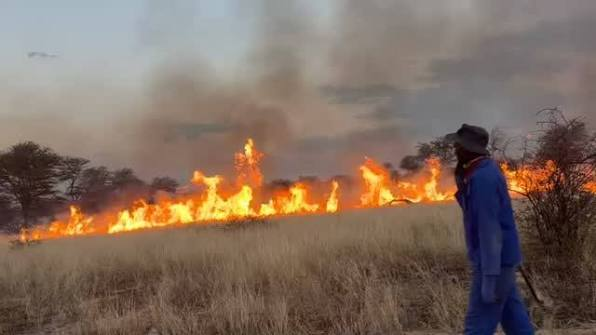
Strong winds fuelled the spread
The fires were first reported in September around the Halali, Kamaseb and Tsam areas. Although several blazes were initially extinguished or brought under control, strong winds caused fires to flare up again and spread towards the park’s southeastern boundary.
By September 17, preliminary assessments had recorded 2,587 square kilometres of burned land. The affected area increased further in October, reaching 3,513 square kilometres by October 24 before updated mapping raised the total to 3,746.18 square kilometres.
The final assessment covers a substantial portion of Etosha, one of southern Africa’s best-known wildlife destinations.
Wildlife impact remains unclear
The full consequences for wildlife and habitats have yet to be established. Although fire is a natural feature of savanna ecosystems, the extent and timing of a particular fire season can influence vegetation, grazing conditions and animal movements.
A 2026 study published in the South African Journal of Botany examined fire patterns in Etosha and surrounding areas, finding that exceptionally large fires have occurred in some years. The latest fires add to the challenges of managing fire risk across the reserve.
Authorities have warned that hot and windy weather could trigger renewed activity, making continued monitoring important even after the major threats have been suppressed.
What visitors need to know
The latest reports do not announce a general closure of Etosha National Park. However, visitors and tour operators should confirm access arrangements with park authorities or accommodation providers before travelling, as conditions in individual areas may change.
Travellers are also advised to follow park staff instructions and exercise caution. With the full ecological impact still being assessed, the coming weeks will be important for monitoring affected areas and determining how the fires have altered wildlife habitats and game-viewing conditions.