N1 Trillion Debt Bombshell: PDP Accuses Kaduna State of Massive Financial Burden Ahead of 2027 Polls
Kaduna State governorship candidate, Shehu Bawa of the PDP, has raised alarms over the state's alleged N1 trillion debt burden, linking it to widespread poverty and inadequate essential services. Bawa critically compared debt accumulation under previous PDP and current APC administrations while outlining his proposed governance pillars to address the state's multifaceted challenges. His claims regarding the state's debt profile remain unverified.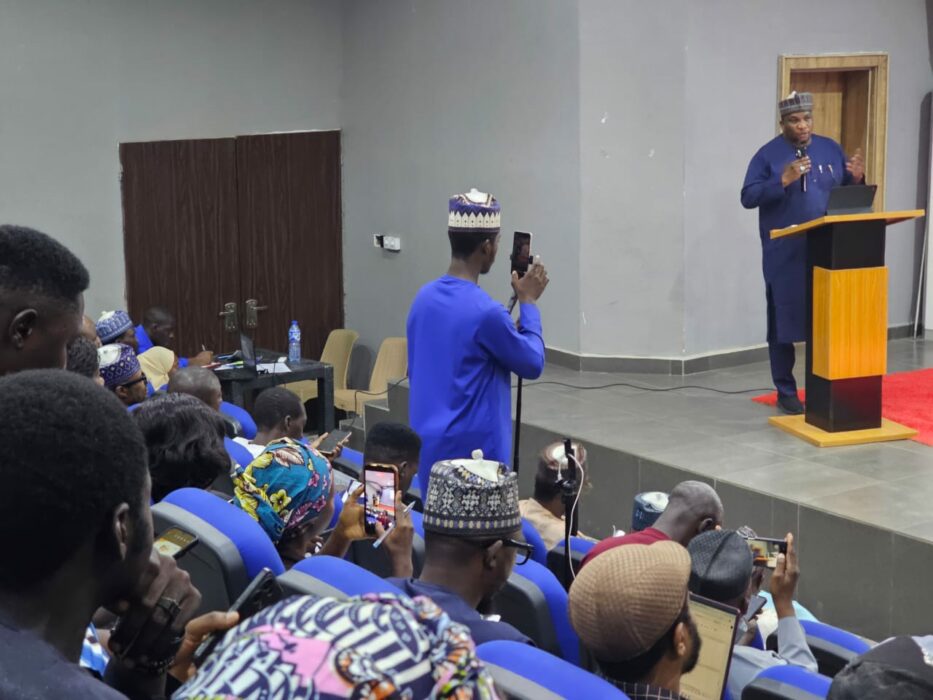
Shehu Bawa, popularly known as Shehu ABG, the Peoples Democratic Party (PDP) governorship candidate in Kaduna State, has vocally raised concerns over the state’s escalating debt burden. Speaking at a one-on-one policy dialogue organized by The Agenda for Political and Electoral Electoral Participation (also identified as the Partnership for Issues-Based Campaigns in Nigeria or PICaN) in Kaduna, Bawa alleged that the state's total liabilities have climbed to approximately N1 trillion. He warned that this significant debt poses a major threat to sustainable development and the government's ability to provide essential services, while millions of residents continue to grapple with widespread poverty and poor access to basic amenities.
Bawa, a former member of the House of Representatives for Kaduna North Federal Constituency (2011-2015), directly accused successive administrations of accumulating substantial debts without adequately addressing the socioeconomic challenges confronting the people. He presented a comparative analysis of debt records under PDP (1999-2015) and All Progressives Congress (APC) (2015 onwards) administrations. According to his claims, Kaduna's external debt rose from $226.37 million during the PDP era to $684.29 million under the APC. Similarly, domestic debt increased from N49.85 billion during the PDP period to N84.64 billion under the APC. He further highlighted that the state's external debt-to-revenue ratio had surged to 312.66 percent, significantly exceeding a referenced 150 percent limit, raising serious questions about the state’s borrowing practices and the tangible benefits accruing to residents.
Linking the debt burden to broader development challenges, Bawa cited a multidimensional poverty figure of 8.04 million people and an alarming poverty rate of 74.7 percent in his presentation. He also underscored persistent issues such as poor learning outcomes and high out-of-pocket healthcare expenses as indicative of the need for a new approach to governance. Bawa justified his comparison by stating his candidacy is guided by the PDP manifesto, emphasizing the need for continuity in governance, irrespective of changes in administration.
Outlining the core tenets of his proposed administration, Bawa identified security, education, healthcare, shared prosperity, infrastructure, agriculture, and good governance as key pillars. He pledged to prioritize the protection of lives and property, ensure universal access to education, and equip health facilities while supporting medical personnel and improving existing services. Drawing on his entrepreneurial background, including experience with a solar assembly plant outside Nigeria, he promised to foster innovation and economic opportunities within Kaduna. His agricultural plans include establishing cooperatives and bringing experts from Brazil, India, and China to train young people in modern farming methods. On infrastructure, he committed to prioritizing road maintenance and street lighting, all under a framework of transparency, accountability, and people-centered governance.
Born in 1973 and a Geography graduate of Ahmadu Bello University, Zaria, Shehu Bawa made these submissions at the dialogue, which was part of the PICaN platform's initiative to shift election campaigns towards practical solutions for citizens' problems ahead of the 2027 general elections. It is important to note, however, that the N1 trillion debt claim has not been independently verified as of the time of filing this report.