Mystery Solved: Former Nigerian Stars Vanish From Limelight
Many Nigerian entertainers have chosen to step away from the limelight to pursue diverse careers, focus on family, or explore new interests. This article highlights the unique paths of figures like Regina Askia-Williams, Maureen Solomon-Okereke, and Ego Boyo, demonstrating how they've evolved professionally, sometimes returning to the industry or finding fulfillment in other endeavors.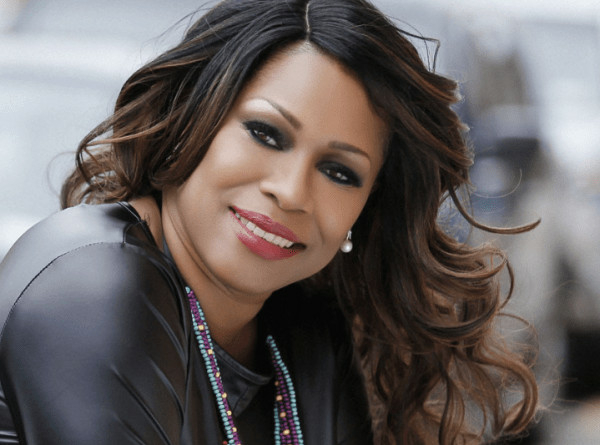
For many Nigerian entertainers, the journey to fame often brings with it recognition, lucrative opportunities, and a dedicated fan base. However, a notable number have chosen to step away from the glare of the spotlight to pursue diverse career paths, dedicate time to family, or explore other personal interests. While some have maintained a hiatus from acting for extended periods, others have successfully reinvented themselves behind the scenes or eventually made a triumphant return to the screen. This article delves into the unique career journeys of several prominent Nigerian entertainers who consciously chose a path away from constant public attention.
Regina Askia-Williams, a celebrated figure in Nollywood during the 1990s, rose to prominence through her role as Tokunbo Johnson in the television series Fortunes. Following her initial success, she relocated to the United States, where she transitioned into a career in healthcare, becoming a family nurse practitioner. Despite her departure from regular Nollywood acting, Askia-Williams has maintained a connection to Nigeria and its entertainment industry, with reports suggesting a return to acting in 2026, demonstrating a flexible approach to her career.
Maureen Solomon-Okereke, a familiar face in Nollywood in the early 2000s, known for films such as Not Without My Daughter and Women Affair, chose to step away at the height of her career. Her decision was driven by a desire to focus on raising her children. She later explained that balancing the demands of film locations with motherhood became increasingly challenging after the birth of her second child, a choice she made without regret. After several years away from the screen, Solomon-Okereke has since made a return to Nollywood.
Ego Boyo gained household recognition for her portrayal of Anne Haastrup in the popular television series Checkmate in the early 1990s, and also starred in the film Violated. However, Boyo eventually shifted her professional focus from acting to film production. She revealed in an interview that she discovered a greater enjoyment in producing than in acting, effectively dismissing rumors that her husband had influenced her decision to discontinue her screen career. Through her company, Temple Productions, she has produced notable projects including Keeping Faith, A Hotel Called Memory, and The Ghost and the House of Truth, illustrating how an entertainer can evolve within the industry without remaining in front of the camera.
Shaffy Bello first captured public attention through her appearance in Seyi Sodimu’s 1997 hit song “Love Me, Jeje.” She subsequently moved to the United States before returning to Nigeria to establish a successful acting career, with roles in productions like Tinsel, Gbomo Gbomo Express, and Chief Daddy. Her journey exemplifies how an extended absence from the Nigerian entertainment scene can precede a successful and impactful return.
Other notable figures include Pat Attah and Sandra Achums. Pat Attah was a popular male actor during Nollywood’s early home-video era, recognized for his roles in romantic dramas. He later relocated to Germany, opting for a life away from the constant attention of Nigerian acting. Similarly, Sandra Achums, a recognizable Nollywood face from the 1990s and early 2000s, also moved to Germany, thereby stepping away from the regular demands of the Nigerian movie industry and reducing her screen presence. While their current professional activities warrant verification, their stories are part of the broader narrative of Nollywood stars seeking different priorities abroad.
Bukky Wright built a successful acting career across both English- and Yoruba-language Nollywood productions. She later spent time in the United States, where she reportedly explored opportunities beyond acting, including ventures in technology. Her career reflects a growing trend among established entertainers to seek new professional avenues beyond the screen, though a permanent retirement from acting should not be stated without confirmation of her current engagements.
Charles Okafor established himself as both an actor and filmmaker during Nollywood’s formative years. He later transitioned into Christian ministry, embarking on a different form of public service while consciously maintaining a lower profile within mainstream entertainment. His path illustrates how some actors choose to integrate religious commitments alongside, or in place of, the work that initially brought them public recognition.
The diverse journeys of these Nigerian entertainers collectively demonstrate that stepping away from the limelight does not necessarily equate to permanently abandoning a career. Many have successfully pursued new passions in healthcare, dedicated themselves to family life, embraced film production, ventured into technology, or committed to religious ministry. Moreover, some have eventually returned to acting after years away. Their experiences also challenge the conventional assumption that fame must remain an entertainer’s lifelong primary objective, showing that for some, true fulfillment is found beyond the cameras, allowing them the autonomy to choose when, how, and if they will return to the public eye.