Cybersecurity Nightmare: Massive Data Breach Exposes Thousands of DHS Employees!
A hacktivist group has published a searchable database exposing the identities and contact information of over 41,000 Department of Homeland Security employees and contractors. The unprecedented leak, stemming from a breach of DHS's single sign-on service, aims to increase transparency and oversight of the agency amid its role in mass-deportation policies. DHS has acknowledged the breach, which raises significant security concerns for personnel and potentially endangers criminal investigations.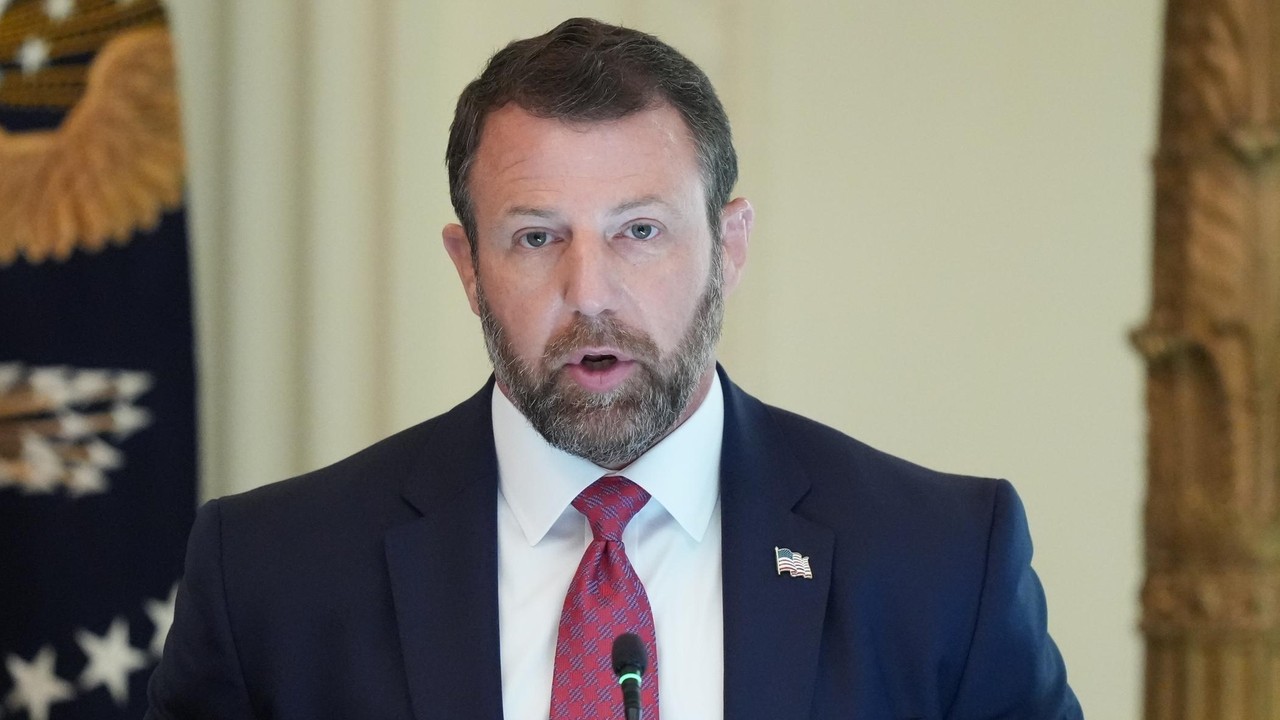
A hacktivist group calling itself the Department of Peace recently published a searchable database containing sensitive information on over 41,000 Department of Homeland Security (DHS) employees and contractors. This unprecedented data exposure includes the identities, contact information, and assignments of immigration officers, border agents, and undercover investigators, according to documents posted online and verified by The Washington Post with current and former DHS officials.
The group claims to have gained access to secure DHS databases through the agency's single sign-on service, which employees use for internal system access. The compromised records were shared with the nonprofit organization Distributed Denial of Secrets and a Swiss hacker known as maia arson crimew. This collaboration led to the creation of the searchable online database, which the nonprofit confirmed includes employee names, offices, contact details, and assignments.
In response to the incident, DHS released a statement acknowledging awareness of a “potential breach” and affirmed its commitment to “address the situation swiftly and effectively.” The agency emphasized that it takes “all security threats against our employees and officers seriously” and vowed to ensure their proper protection, promising updates as more information becomes available.
The hacktivist group, in its online materials, stated that its primary objective is to increase oversight and transparency of DHS. The group highlighted the agency's role as a focal point in President Donald Trump’s mass-deportation agenda over the past 21 months, citing incidents of enforcement operations that have included detaining individuals near homes and workplaces, some resulting in shootings and fatalities, and drawing large protests. Agents and officers have faced criticism for wearing masks and plainclothes during these operations, a practice DHS officials have defended by citing assaults, stalking, and death threats against personnel and their families.
The hacker group’s statement, referencing Homeland Security Secretary Markwayne Mullin and his remarks about “turning up the heat,” directly linked the leak to increased pressure on Immigration and Customs Enforcement (ICE). Current and former DHS officials have described the exposure as unprecedented in the agency’s history. John Sandweg, a former acting ICE director, characterized the leak as a “nightmare scenario,” expressing deep concern for the agents and their families due to the significant jeopardy and array of threats they now face, which could also compromise criminal investigations into gangs and drug cartels.
An internal bulletin was reportedly issued by ICE’s Homeland Security Investigations intelligence unit to alert agents about the hack. However, multiple ICE officers and Customs and Border Protection agents contacted by The Post using the leaked data’s information indicated they had not yet been informed of the incident. This breach follows closely on the heels of another reported hack where a different group claimed to have stolen FBI employee records, underscoring escalating concerns over the exposure of law enforcement personnel to potential threats from foreign intelligence services and criminal organizations.
While ICE and other agencies have historically withheld employee names for national security reasons, advocacy groups and hackers argue that this secrecy shields officers with troubled backgrounds and prevents public accountability for alleged misconduct. The groups behind the DHS database, dubbed “Icepick,” asserted that it offers an unprecedented look into DHS’s organizational structure. Emma Best, co-founder of Distributed Denial of Secrets, stated that “Icepick” specifically identifies “architects and drivers of DHS policy and operations,” including officials overseeing covert operations, the hunt for leakers, the failed BlueLeaks investigation, and key personnel in rendition and deportation programs.
The database, while not a full list of all DHS employees and potentially containing inaccuracies, includes personnel from Immigration and Customs Enforcement, U.S. Citizenship and Immigration Services, and Customs and Border Protection. Its creators intend for it to enable the public to research the backgrounds of individual agents and officers, fostering greater transparency and accountability within the agency.