Middle East Boil-Over: Iran Defies Calls, Keeps Strait of Hormuz Locked Amidst US Tensions!

Iran has officially rejected proposals to reopen the strategically vital Strait of Hormuz in exchange for a temporary ceasefire, adopting a hardline stance amidst rapidly escalating regional tensions. A senior Iranian official conveyed Tehran's belief that Washington is not genuinely prepared for a permanent ceasefire, thereby reinforcing its decision to keep the crucial shipping route closed. The situation remains highly volatile, with developments unfolding continuously, and without a significant breakthrough, the conflict risks escalating into its most intense phase since it began five weeks ago.
Meanwhile, a senior UAE official, Anwar Gargash, underscored that the security of the Strait of Hormuz, which is one of the world's most critical oil transit routes, must be considered a global economic priority rather than a mere regional bargaining tool. He firmly stated that uninterrupted navigation through this essential channel must be a fundamental component of any future settlement. Gargash highlighted that while the UAE supports an end to the ongoing conflict, it is wary of a ceasefire that fails to address deeper, underlying issues.
Gargash specifically warned that neglecting Iran's nuclear ambitions, along with its missile and drone capabilities, could inevitably lead to a more dangerous and unstable Middle East. He also confirmed the UAE's readiness to support international efforts, particularly those spearheaded by the United States, to secure shipping routes within the Strait if such measures become necessary. The waterway is responsible for approximately one-fifth of the world's daily oil and liquefied natural gas shipments, making its disruption a significant global concern.
Recent hostilities have already caused disruptions to maritime traffic, contributing to rising global energy concerns. The conflict originally ignited after the United States and Israel initiated strikes on Iran following a breakdown in nuclear negotiations. In response, Iran launched missile and drone attacks targeting Israel, U.S. military bases, and critical infrastructure across the Gulf region, including key ports and energy facilities. Gargash revealed that among Gulf nations, the UAE has endured some of the heaviest attacks but has demonstrated remarkable resilience under pressure.
Despite the current challenges, Gargash affirmed that the UAE's economy remains fundamentally strong, though a comprehensive recovery from the ongoing crisis will necessitate substantial effort. He further cautioned that Iran's aggressive actions could deepen security collaborations between Gulf states and Washington, potentially strengthening the U.S. military presence in the region and increasing Israel's influence. From a regional perspective, Iran's strategy appears to be aimed at elevating the cost of the conflict for U.S. allies in the Gulf by targeting their energy infrastructure and shipping lanes, thereby attempting to pressure these countries to advocate for an end to military operations.
Despite previous diplomatic endeavors by Gulf nations to maintain a delicate balance and avoid confrontation with Iran, the situation has escalated dramatically. Gargash concluded by noting that while the UAE does not seek hostility, establishing trust with the current Iranian leadership remains exceptionally challenging. He emphasized that the ongoing crisis critically highlights the urgent need for long-term stability measures, warning that unresolved tensions have the potential to further destabilize the entire region and negatively impact global energy security.
You may also like...
10 African Countries With The Highest Minimum Wages

Africa’s highest minimum wages in 2026 look impressive, until you break down what people can actually afford. This list ...
Nigeria's Oil Palm Industry Is Waking Up and the Stakes Could Not Be Higher
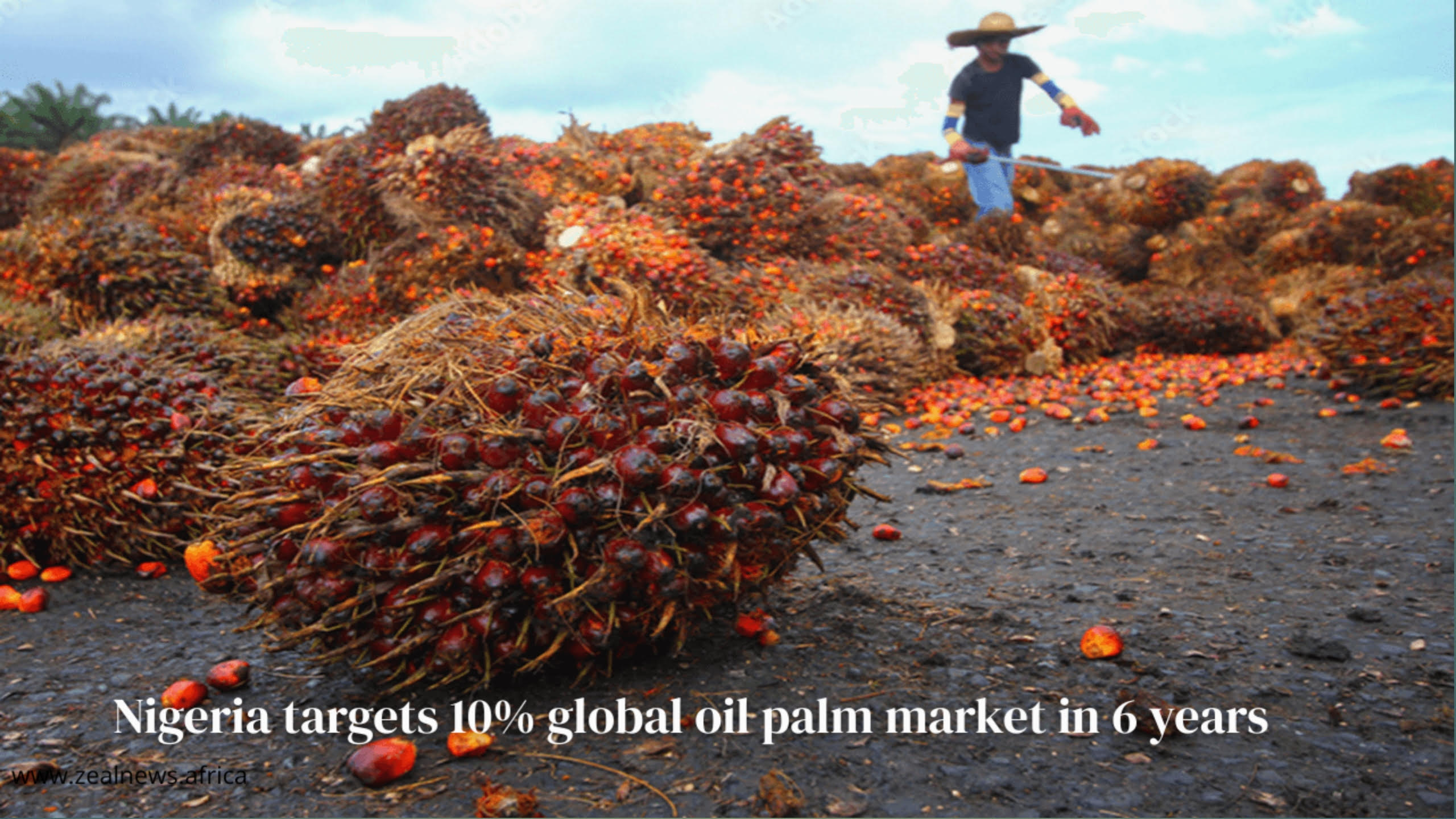
Nigeria has validated a sweeping Oil Palm Development Strategy targeting 9–10 million metric tonnes of production by 205...
Australia Raises Minimum Salary for Nigerians And Other Foreign Workers To ₦72.5m

The minimum salary for Australia's employer-sponsored visas just went up. For mid-level workers it is a tighter squeeze....
NDPC Probes Remita And Sterling Bank Over Alleged Data Breach

The Nigeria Data Protection Commission has launched an investigation into an alleged data breach involving Remita and St...
Balancing Technology and Childhood: How Modern Parents Navigate Screen Time in a Digital Age

Screens are everywhere, and kids are using them more than ever. Learn how parents can balance technology, protect their ...
Balancing Technology and Childhood: How Modern Parents Navigate Screen Time in a Digital Age
Screens are everywhere, and kids are using them more than ever. Learn how parents can balance technology, protect their ...
Free Will Might Be an Illusion, And You're Not as in Control as You Think

Free will may not be as real as we think. From Benjamin Libet to modern neuroscience, research suggests your brain makes...
10 Surprising Things That Pass Through the Strait of Hormuz (That Have Nothing to Do With Oil)
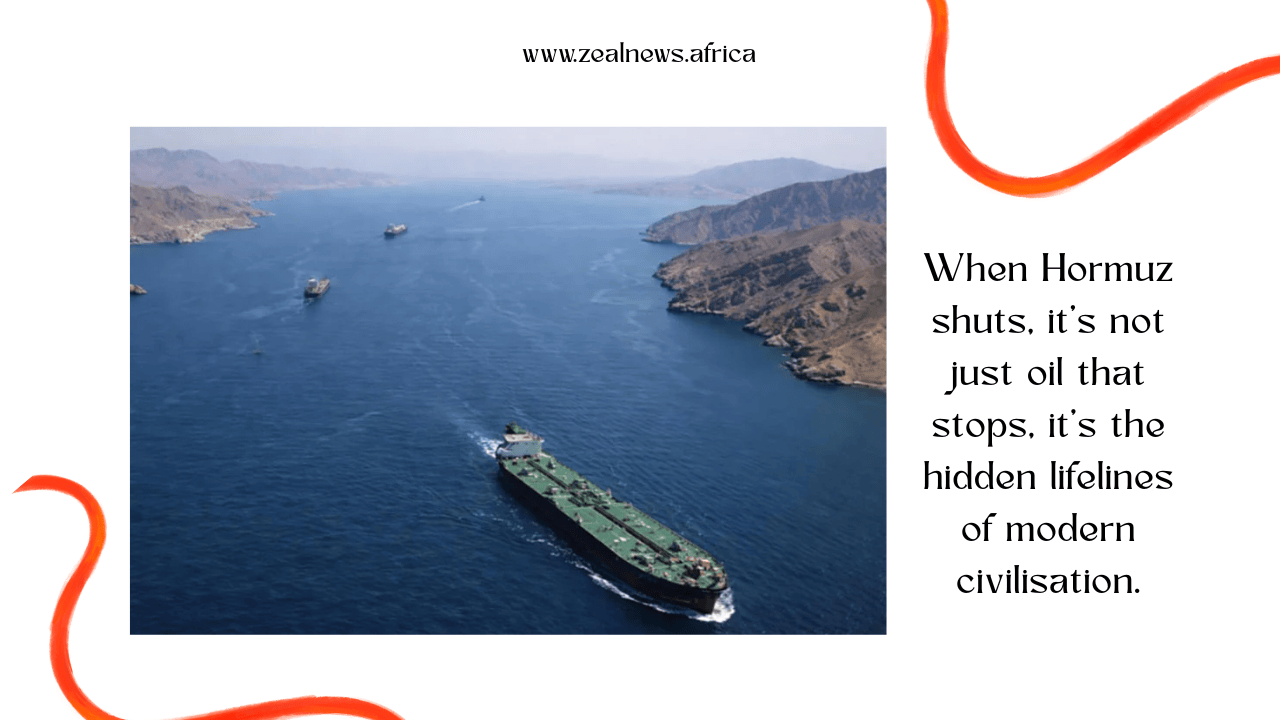
When the Strait of Hormuz is disrupted, it’s not just oil at risk. Here are 10 critical global lifelines that pass throu...