Free Will Might Be an Illusion, And You're Not as in Control as You Think
Free will may not be as real as we think. From Benjamin Libet to modern neuroscience, research suggests your brain makes decisions before you’re aware of them, raising uncomfortable questions about control, choice, and consciousness.
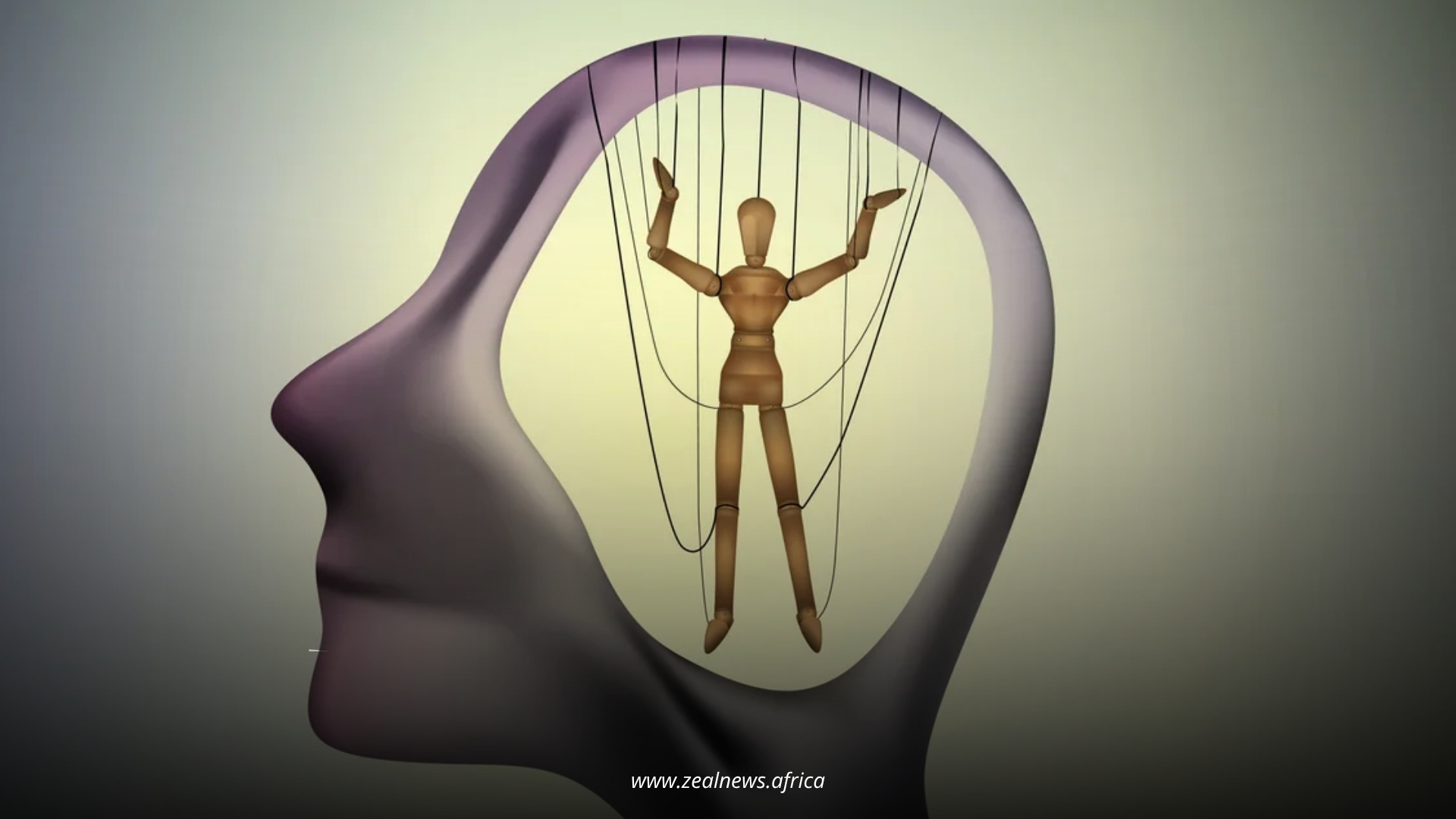
When the topic of freewill comes up in whatever conversation, humans like to believe it is one weapon they wield with almost no interference.
However, decades of research have been quietly dismantling this belief and that is why this question is worth sitting with: the last decision you made, whether big or small, did you actually make it? Or did your brain make it for you, and you just showed up for the announcement?
This is not a philosophical riddle designed to ruin your afternoon scroll. It is, increasingly, a question that neuroscience is forcing us to take seriously. The answers are a lot more uncomfortable than most people are ready for.
The Experiment That Started Everything
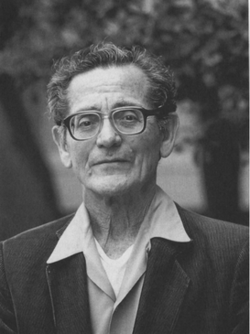
In the 1980s, a neuroscientist named Benjamin Libet ran a deceptively simple experiment. He hooked participants up to an EEG machine, asked them to flex their wrist whenever they felt like it, and told them to note the position of a clock hand the moment they felt the urge to move. What he found was shocking.
The brain began preparing for the movement, generating what researchers call a "readiness potential," a measurable electrical build-up, a full 500 milliseconds before participants consciously felt the urge to act.
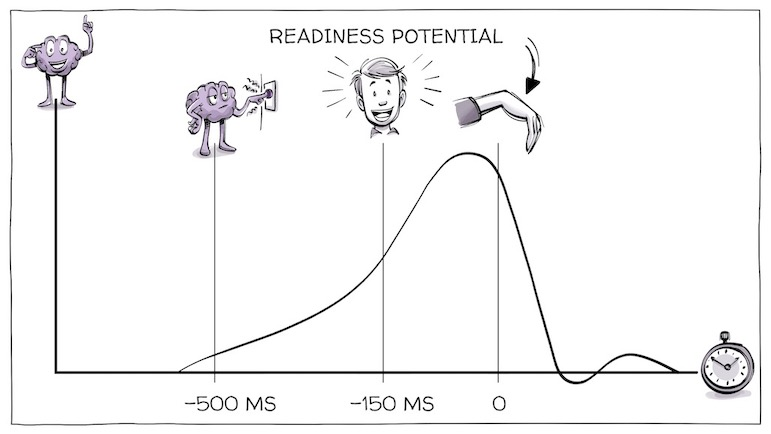
Half a second does not sound like much but in the logic of cause and effect, it is everything. Your brain had already started the process before your conscious mind even knew it was happening.
Simply put, what you experience as a decision may actually be the brain catching up on something it already set in motion.
Consciousness, in this model, is not the driver. It is the passenger getting handed a press release.
Your Brain Is Running Ahead of You
Libet's findings were replicated. A 2008 study using fMRI technology found that the outcome of a decision could be decoded from brain activity up to seven seconds before participants reported being aware of making a choice.
The brain, it turns out, is doing a lot of work in the background before it lets you in on the plan.
Later, neuroscientist Itzhak Fried found that individual neurons were firing more than 700 milliseconds before a reported conscious intention to act, even earlier than Libet's original finding.
Each new study seemed to push the moment of "real" decision further and further back from conscious awareness, like someone rewinding a video to find where the story actually begins.
Are We Just Watching?
This is where it gets more nuanced. Libet himself did not believe his experiments proved free will was dead. What he, however, proposed was something he called "free won't."
He believes that even if the unconscious brain initiates an action, the conscious mind retains the ability to approve it in those final milliseconds before execution. You may not start the train, but you can still pull the emergency brake.
Some researchers have also pushed back on the original framework entirely. Neuroscientist Aaron Schurger proposed that the readiness potential might not represent a deliberate unconscious decision at all, but rather random neural noise that crosses a threshold and tips into action.
Under this model, the brain is not secretly deciding things ahead of you — it is more like a system with natural fluctuations, and a decision crystallises when those fluctuations reach a tipping point. That changes the conversation significantly.
Still, even the critics concede that conscious, deliberate reasoning is doing far less heavy lifting than we assume.
What Is Actually Driving Your Choices

Outside the lab, the picture gets more complicated.
Behavioural psychology has spent decades cataloguing how much of human decision-making is driven by factors we are barely aware of. Factors like cognitive biases, emotional states, environmental cues, prior conditioning and social pressure are all drivers ofdecisions.
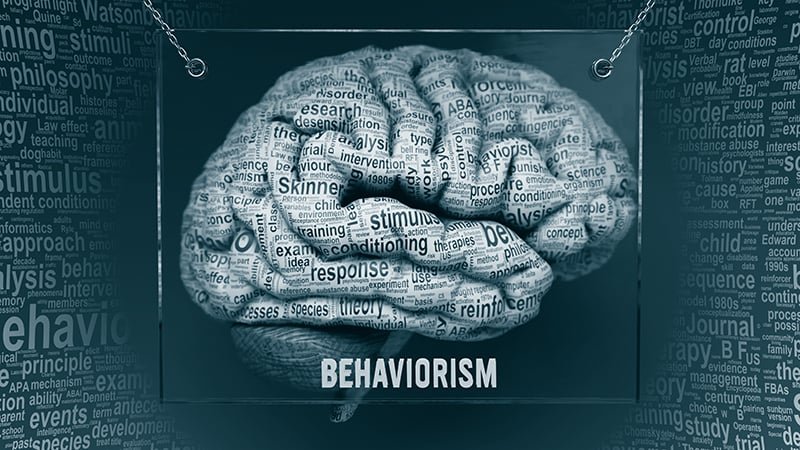
You think you chose that career because of your values. Research suggests you probably chose it because of who raised you, what they said was respectable, and what opportunities your environment made visible to you.
You think you swiped right on that person because of genuine attraction. You were probably, at least partly, responding to the way lighting and framing interacted with evolutionary pattern-matching your brain did without you.
Free will, if it exists, seems to operate in a much narrower corridor than the one we imagine.
Why This Actually Matters
It might feel like this is shocking to read but there is another way to look at it. If the choices you think you are making are shaped by unconscious processes, environment, and conditioning, then changing your environment, your habits, and your inputs genuinely changes your decisions.
You are not helpless. You are just not in control in the way you thought.
The conscious mind may not be the chief executive of your life but it still sits in the room. The question is whether you are going to use the veto or keep rubber-stamping everything the unconscious sends up.
You may not control the first impulse but if you never question it, you might not be in control at all.