Mick Jagger Dares AI Musicians: The Ultimate Challenge for Originality
Mick Jagger, in a recent interview, challenged AI music creators to produce original work with their "own input and thoughts." This statement has sparked debate, highlighting a perceived misunderstanding of AI's creative capabilities and limitations in generating truly original content.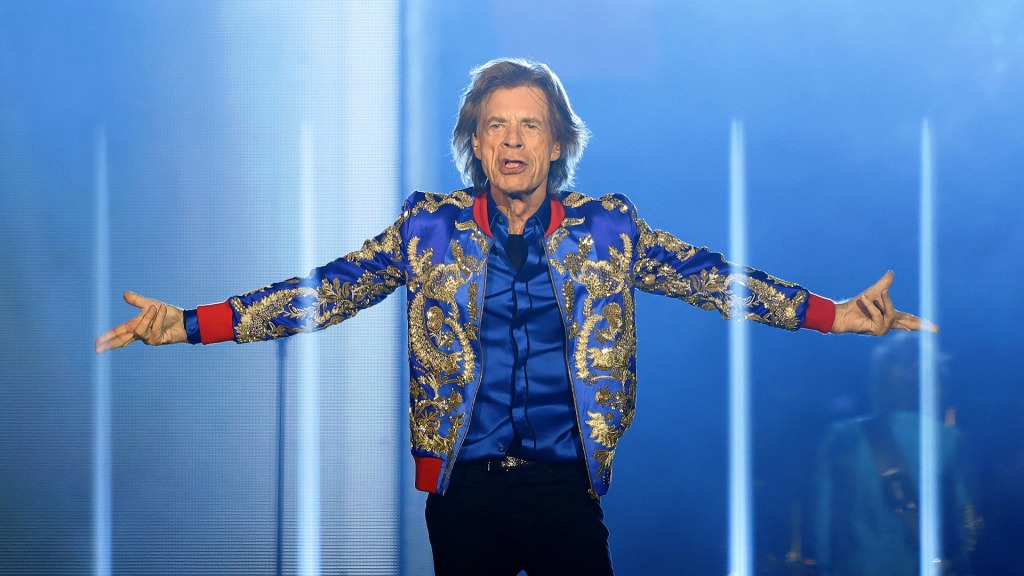
In a recent interview with Billboard, as reported by Rolling Stone (a publication distinct from the iconic band), legendary Rolling Stones frontman Mick Jagger delved into the evolving landscape of artificial intelligence in music creation. Jagger, known for his dynamic stage presence and songwriting prowess, issued a statement that has sparked considerable discussion within the music and AI communities.
Jagger's challenge to those leveraging AI for musical endeavors was strikingly clear, yet, from the perspective of many observers, fundamentally misunderstanding the current nature of AI's creative process. He declared, "If someone wants to make music by AI, go ahead. But it has to be original—you have to have your own input and your own thoughts." This pronouncement highlights a crucial disconnect: while AI can generate novel combinations and patterns based on vast datasets, the concept of "original input" and "own thoughts" in the human sense is not inherent to its operation.
The core of the perceived impossibility lies in the definition of originality and authorship when applied to algorithmic creation. AI models learn from existing music, identifying styles, melodies, and lyrical structures. They then generate new pieces by extrapolating these learned patterns. The "input" is often a prompt or a set of parameters, and the "thoughts" are computational processes, not conscious intention. Therefore, asking an AI to have "its own thoughts" in the human creative sense presents a philosophical and practical dilemma for developers and artists alike.
Jagger's comments underscore the ongoing debate about intellectual property, creativity, and the role of technology in artistic expression. While he seemingly grants permission for AI music, his stringent conditions inadvertently expose the very challenges and ethical quandaries that the music industry is grappling with as AI tools become more sophisticated. The interview illuminates the need for clearer understanding and dialogue between traditional artists and the emerging world of artificial intelligence in creative fields.