Master Filmmakers Face Off: Bong Joon Ho Grills David Fincher on Iconic Thriller
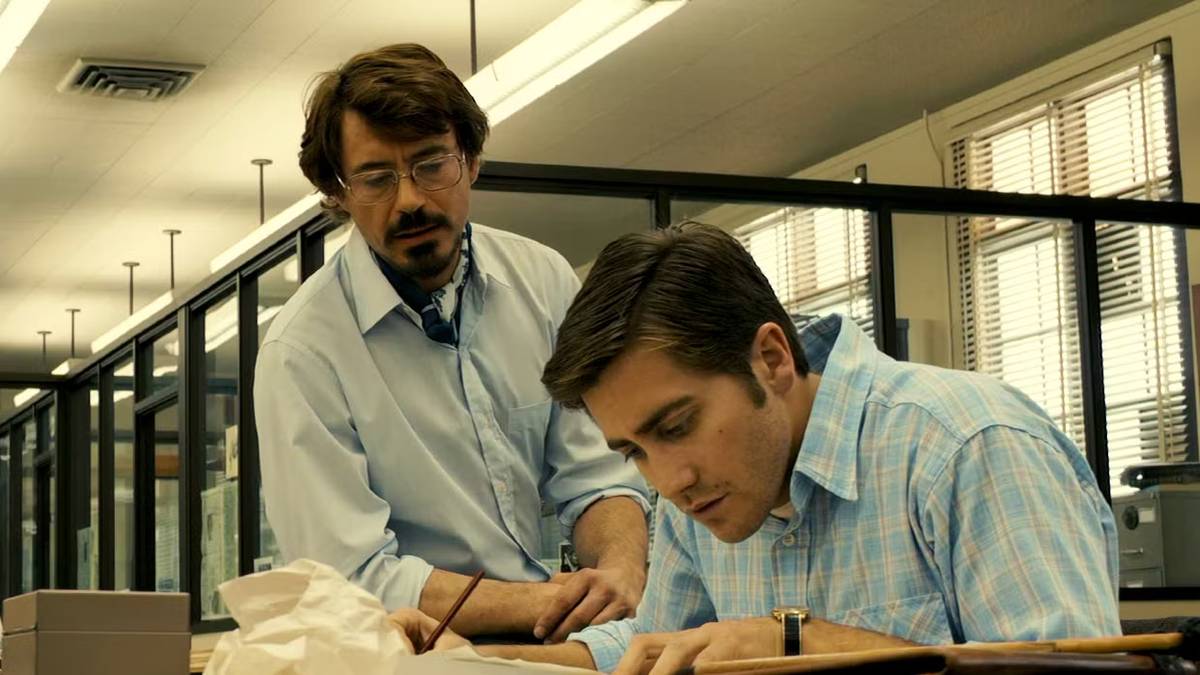
The Academy Museum of Motion Pictures in Los Angeles recently unveiled "Director's Inspiration: Bong Joon Ho," a landmark exhibition showcasing over 100 original objects dedicated to the Oscar-winning filmmaker. To commemorate this special honor and the upcoming addition of new items from his film *Mickey 17*, director Bong Joon Ho hosted a unique 4K screening of David Fincher's 2007 masterpiece, *Zodiac*, featuring a compelling Q&A session with Fincher himself. The conversation, meticulously recorded by Collider's Steve Weintraub, offered profound insights into Fincher's filmmaking philosophy, the intricacies of *Zodiac*, and a glimpse into future projects.
David Fincher began by humorously admitting his aversion to rewatching his own films, comparing it to disliking old high school photos. Bong Joon Ho, recalling an immaculately organized previous encounter in Fincher's office, probed the director about his perceived obsessive nature. Fincher clarified that his meticulousness stems from a desire for absolute clarity in communication, advocating for any effort—be it late nights, extra meetings, or all-caps texts—to achieve that goal.
The discussion delved deep into *Zodiac*'s unique narrative and aesthetic. Bong Joon Ho highlighted the film's razor-sharp editing and its quiet, calm, and silent demeanor, a stark contrast to the action sequences found in Fincher's earlier work, *Se7en*. Fincher explained that this was intentional; *Zodiac* was conceived not as a serial killer movie, but as a film exploring "the effects of a serial killer on the community and on the lives of people," focusing on "the accretion of hopelessness." He drew from his own upbringing with a journalist father, emphasizing the film's commitment to realistically portraying the editorial environment of San Francisco in the late 1960s and early 1970s, moving beyond the city's "Haight-Ashbury reputation." Fincher also shared personal memories of the Zodiac killer being the "boogeyman" of Marin County during his childhood, a sentiment that influenced a scene based on a conversation with his father.
Fincher also addressed his renowned practice of doing numerous takes. He recounted a story involving Mark Ruffalo, who, after over 20 takes, eagerly awaited feedback only for Fincher to quietly adjust a prop. Fincher explained that more than half of directing involves ensuring nothing distracts from the performance, even if it means moving a prop "18 inches." Regarding pre-production, Fincher revealed he used to storyboard extensively for "group think," and even prevised most of *Panic Room* due to complex set requirements. However, he found this approach could stifle actors' creativity. Since then, he has adopted a more flexible "spitball" method for most scenes, reserving previz for safety-critical elements, drawing inspiration from observing other directors on shows like *House of Cards* and *Mindhunter*.
Bong Joon Ho then pointed out *Zodiac*'s subtle color shifts, transitioning from a yellowish tone in the beginning to a bluer palette towards the end, noticeable in sets like the San Francisco Chronicle offices and costumes. Fincher confirmed the intentionality, mentioning a specific scene where primary colors were used to demarcate a time leap to 1976, like the Montreal Olympics. He affirmed his sensitivity to all elements of film, including color temperature. The conversation also paid tribute to the late cinematographer Harris Savides, whom Fincher lauded as a "fucking genius" and one of the most talented people he had worked with. Despite Savides' initial discomfort with digital cameras and tethered recorders, Fincher believes his work on *Zodiac* stands alongside his most amazing achievements like *Birth* and *Elephant*.
The filmmakers also explored the theme of obsession in Fincher's work. Bong Joon Ho questioned if Fincher is drawn to obsessive characters, noting similarities between Robert Graysmith in *Zodiac* and Michael Fassbender's character in *The Killer*. Fincher differentiated, describing Graysmith as an "interested bystander" whose search for what he needed to believe drove his obsession, while *The Killer*'s character is a "high-functioning and probably on the spectrum OCD guy" navigating the gig economy. Fincher clarified that *Zodiac* aimed to portray Graysmith's journey and his struggle to find an ending, rather than present a definitive resolution.
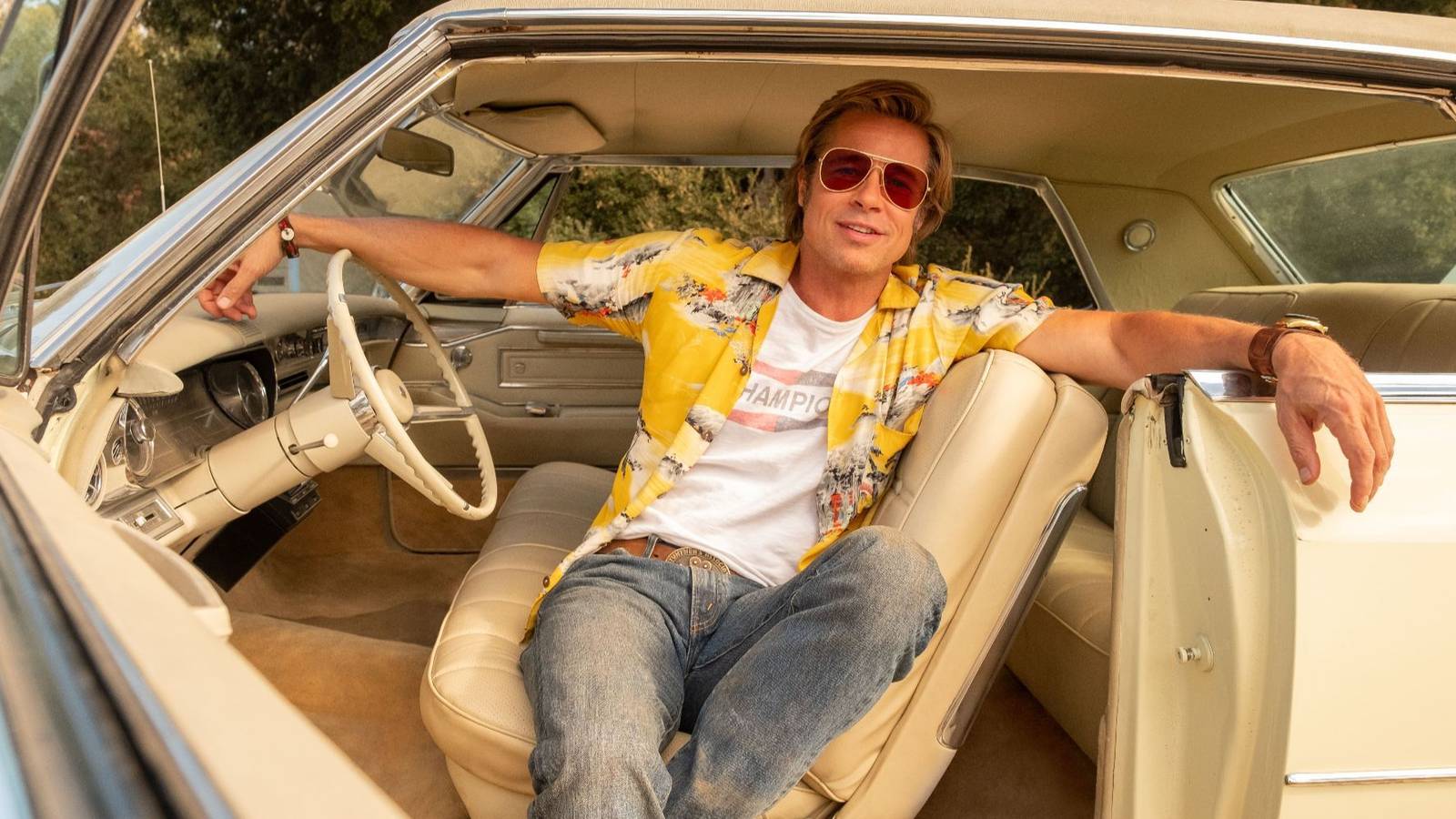
A brief detour led to Fincher teasing his upcoming film, which he confirmed is a sequel to Quentin Tarantino's *Once Upon a Time in Hollywood*. It will focus on Brad Pitt's character, Cliff Booth, six or seven years later, in a new role as an orchestrator. Fincher promised "very big surprises" for this new take on the beloved character.
Reflecting on *Zodiac* 20 years after its production, Fincher candidly admitted, "I would do everything differently." He confessed that true clarity about a film's optimal form often only strikes him on the way to the airport after wrapping. While proud of many aspects, he often wishes he had allowed scenes to "breathe" more or made the film "weirder," always favoring the latter. Despite this, he firmly believes that films are "byproducts of their time" and should maintain the integrity of their original intent, like fashion. He advocates for remastering to address technical issues but against altering artistic decisions, stating, "It's a document of its era, of its time, and then just never revisit it." However, if given the chance to totally remake a film, he would probably make every different decision. Bong Joon Ho concluded by asking Fincher for tips on creating classic films that overcome the test of time, to which Fincher humbly expressed gratitude for *Zodiac*'s inclusion in the Academy Museum's celebration.
You may also like...
Lakers Playoff Mystery: Redick Silent on Doncic's Crucial Update

out indefinitely
Heavyweight King Usyk Predicts Joshua to Conquer Fury in Potential Showdown

Unified heavyweight champion Oleksandr Usyk has confidently predicted Anthony Joshua will defeat Tyson Fury, amidst rene...
Wonder Woman Star Confirmed for James Gunn's Superman Follow-Up!

James Gunn's 'Man of Tomorrow' has reportedly cast Adria Arjona in its final major role, sparking intense speculation th...
Avatar Movie Pulled After Online Leak Scandal Rocks Paramount

The highly anticipated animated film, "The Legend of Aang: The Last Airbender," has suffered a significant leak months b...
Visa Snafu Halts J. Cole's Hoop Dreams in China

J. Cole made his professional basketball debut with the Chinese Basketball Association's Nanjing Monkey Kings, though hi...
ENHYPEN Unleash Massive 'BLOOD SAGA' World Tour Across Continents

ENHYPEN has announced their
Master Filmmakers Face Off: Bong Joon Ho Grills David Fincher on Iconic Thriller
Oscar-winning filmmaker Bong Joon Ho hosted a special Q&A with David Fincher following a 4K screening of *Zodiac* at the...
Africa Unveils Bold New Era: Cape Town Summit Charts Dual Luxury Travel Strategy

Africa's luxury travel sector is undergoing a major transformation, emerging as a leading global destination and a power...