Major Leagues Unite: NFL, NBA, MLB, NHL, MLS Issue Urgent Call Against Betting Threats!
Major American sports leagues and players' unions are urging state gambling regulators to combat escalating harassment from sports bettors. They propose lifetime bans from legal sportsbooks for individuals who threaten athletes and their families, seeking a unified response to protect participants in the evolving sports betting landscape.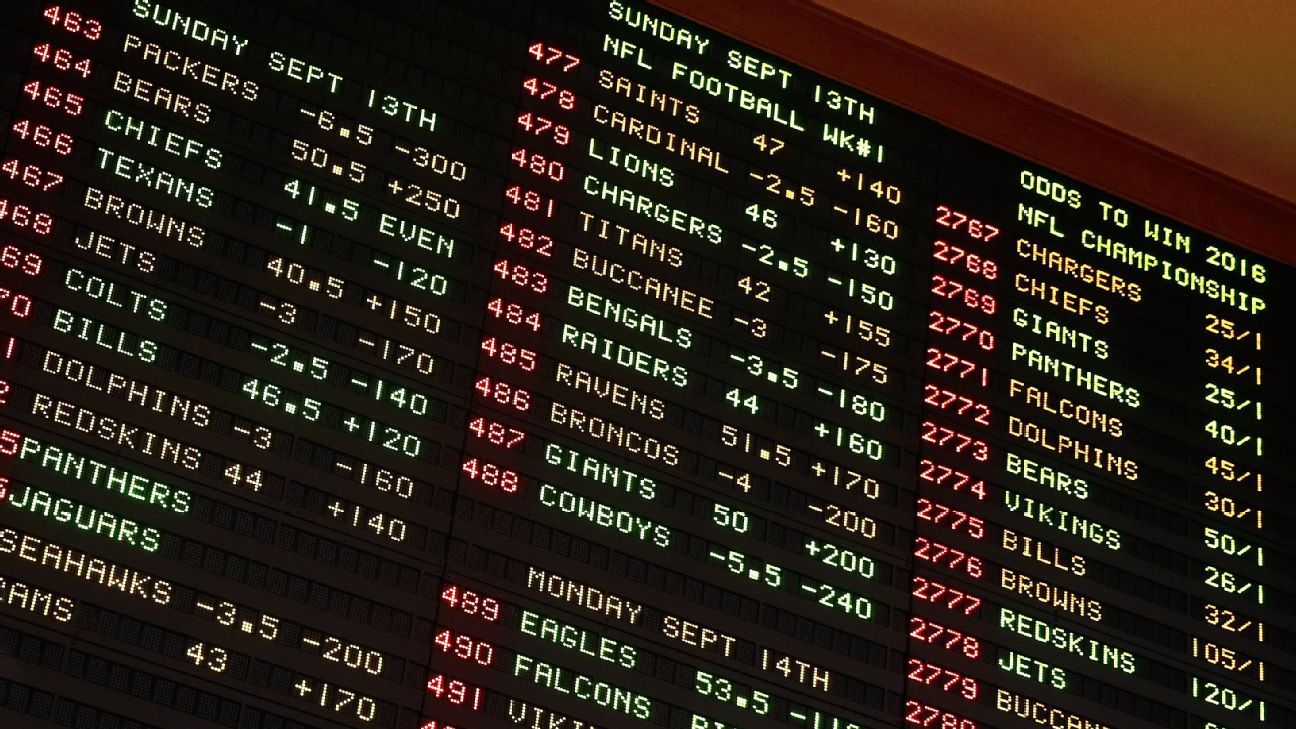
Major American professional sports leagues and their respective players' unions are taking a decisive stance against the growing problem of harassment and violent threats from sports bettors. The NFL, NBA, Major League Baseball, NHL, and Major League Soccer, along with their unions, have jointly urged state gambling regulators to implement stricter measures to protect athletes, coaches, officials, team personnel, and their families.
In a letter sent to gambling regulators in 35 states and the District of Columbia, the leagues and unions proposed a comprehensive strategy: a lifetime ban from legal sportsbooks for any individual found to have harassed or threatened professional or amateur sports participants or their families. They emphasized the critical need for states to establish a streamlined reporting mechanism, allowing direct transmission of evidence of such threats to regulators and law enforcement. Under this proposal, anyone who violates this policy would be placed on a shared sportsbook exclusion list, effectively preventing them from engaging in legal sports betting across participating states.
The letter highlighted the severe nature of the issue, stating, "Too often, individuals who lose sports bets direct threatening and harassing messages toward players, coaches, and their families via social media and in-person interactions." It further asserted that "Threatening the safety of an athlete or their family members over a sports bet crosses a bright ethical and criminal line, and it is entirely unacceptable." This initiative underscores a collective commitment to safeguarding the integrity and safety of sports participants.
This call to action is substantiated by real-world incidents. In May 2025, then-Houston Astros pitcher Lance McCullers publicly revealed receiving social media threats to "find my kids and murder them" following a disappointing performance. A subsequent investigation by Houston police traced these threats to an intoxicated bettor located overseas, illustrating the international scope and serious intent behind such malicious acts.
Some states have already begun to address this problem. Louisiana, Ohio, West Virginia, and Wyoming currently have similar policies in place. Furthermore, several major sportsbooks are actively engaged in combating these threats. DraftKings and Fanatics, for instance, have partnered with Integrity Compliance 360 (IC360) to deploy advanced technology utilizing artificial intelligence and investigative tools. This collaboration aims to detect social media abuse and accurately identify the individuals responsible for it.
Scott Sadin, co-founder and co-CEO of IC360, commented on the escalating nature of the problem, noting that "Threats and harassment in sports continue to escalate, threatening the safety of participants and the integrity of the ecosystem." He stressed the necessity of a unified industry response, stating, "True progress requires a unified response where leagues, operators, regulators and technology partners align around solutions to safeguard stakeholders across every touchpoint." Matt King, CEO of Fanatics Betting and Gaming, expressed the pervasive frustration within the industry, calling it "just an infuriating issue."
Players, too, are grappling with the ramifications of the burgeoning sports betting landscape. Fred VanVleet, Houston Rockets guard and president of the NBPA, articulated the burden on athletes: "We carry all of the burden, all of the risk and danger that comes with the association to gambling." He described the situation as something that was "just kind of thrown upon us, and I think everybody's trying to figure out how to adjust to it," emphasizing the need for robust protections as professional sports navigate this new environment.