Electoral Integrity Row: Atiku, APM Demand Exclusion of Pro-Tinubu Lecturers from Poll Duty
Over 600 Northern lecturers' endorsement of President Bola Tinubu for a second term has sparked a major political controversy. While former VP Atiku Abubakar warned INEC against engaging partisan academics as electoral officers, the APM criticized the move as unbecoming of scholars. Conversely, Kaduna State University's VC, Prof. Musa, defended the endorsement, citing Tinubu's achievements in infrastructure and education based on data.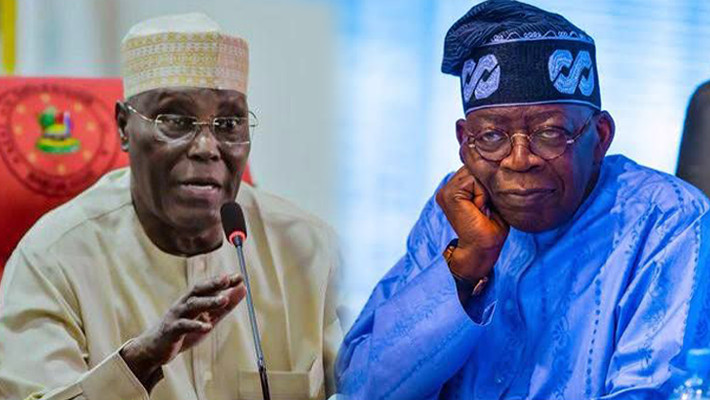
The recent endorsement of President Bola Tinubu for a second term in office by over 600 Northern lecturers has ignited a significant political debate, drawing sharp criticism from former Vice President Atiku Abubakar and the Allied Peoples Movement (APM). This endorsement, which occurred during a closed-door meeting in Kaduna State, saw academics from 19 Northern states and the Federal Capital Territory (FCT) declare their support for the incumbent president ahead of the 2027 general elections.
Atiku Abubakar, through his Senior Special Assistant on Public Communication, Phrank Shaibu, vehemently cautioned the Independent National Electoral Commission (INEC) against recruiting these openly partisan academics for sensitive electoral responsibilities in next year's polls. He emphasized that while these lecturers possess the constitutional right to support and campaign for any candidate, their public declaration of allegiance disqualifies them from roles requiring neutrality, such as Returning Officers, Collation Officers, or officials involved in the collation, declaration, and announcement of election results. Atiku stressed that electoral credibility demands not only actual neutrality but also public confidence in the impartiality of those administering the process.
Further amplifying his concerns, Atiku expressed dismay over the presence of elected governors and a serving Minister of Defence at the endorsement gathering. He described the attendance of senior officials of the ruling party at such an overtly partisan event as "deeply troubling," suggesting it reflects the "desperation" surrounding the Tinubu administration's quest for re-election. Atiku lamented that the government appears intent on stripping scholars of their academic dignity, transforming universities into "recruitment grounds for the political machinery of a desperate ruling party" rather than maintaining them as centers of independent thought and intellectual freedom. He urged INEC to take note and ensure the exclusion of publicly partisan academics from sensitive electoral duties in 2027.
The Allied Peoples Movement (APM) echoed Atiku's sentiments, with its National Publicity Secretary, Mr. Abubakar Yusuf, expressing disappointment. Yusuf argued that academicians, as the "hub of critique," are expected to assess the Tinubu administration fairly as enlightened critics, not merely issue endorsements akin to "controversial charismatic bishops." He questioned the timing and nature of such an endorsement, especially amidst widespread concerns over insecurity, economic hardship, and the perceived negative impact of the administration's policies on the country.
However, the Vice Chancellor of Kaduna State University, Prof. Abdullahi Ibrahim Musa, staunchly defended the lecturers' decision. Speaking in an exclusive interview, Prof. Musa, who read the communique from the Kaduna meeting, asserted that the endorsement was based on President Tinubu’s "impressive achievements and and performance in office" over the last three years, which he claimed were backed by "data and figures." He maintained that the academics arrived at their conclusion after discussing issues related to democracy, governance, and the president's seven-point agenda.
Prof. Musa elaborated on the specific reasons for their support, highlighting ongoing infrastructure development in the North, including the Abuja-Kaduna-Kano Expressway and railway construction. He also pointed to positive developments in education, such as the establishment of NELFUND and improved interventions by TETFund. Furthermore, he controversially suggested that food prices were lower now compared to when Tinubu assumed office. He reiterated that academics base their actions on "facts and figures," asserting that any data contrary to their analysis would be considered an individual's opinion. The endorsement, he stressed, was a collective agreement reached by over 600 academics.
The high-profile nature of the endorsement meeting was underscored by the presence of several key political figures. The event was convened by the Special Adviser to the President on Political Matters, Ibrahim Masari. Attendees included Kaduna State Governor Uba Sani, Zamfara State Governor Dauda Lawal, Yobe State Governor Mai Mala Buni, Borno State Governor Babagana Zulum, and Gombe State Governor Inuwa Yahaya. Also present were the Minister of Defence, Bello Matawalle; Minister of Housing, Muttaqha Rabe Darma; and former Governor of Katsina State, Aminu Bello Masari, further emphasizing the political weight behind the endorsement.